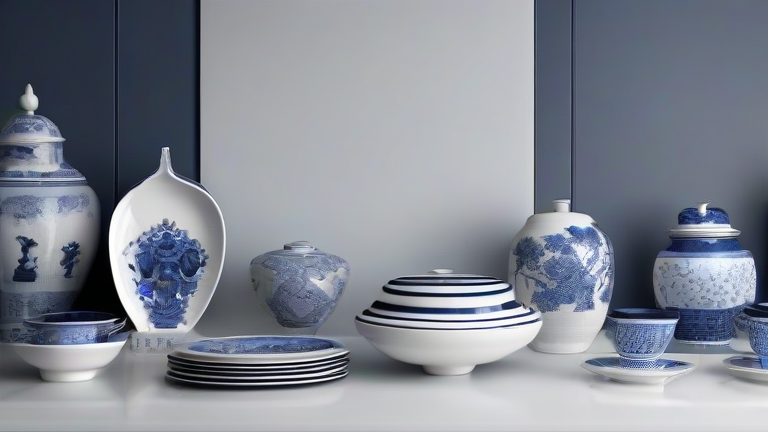
Porcelain History: 10 Fascinating Facts & Cultural Secrets
TL;DR: Porcelain is a unique ceramic material with a rich history spanning centuries, characterized by its translucency and durability. This guide explores ten key facts and cultural secrets that define its global impact and artistic value.
Porcelain has captivated civilizations for millennia, serving as both a functional vessel and a high-art medium. Its journey from the misty mountains of ancient China to the royal courts of Europe is a tale of trade, technology, and cultural exchange. Understanding the depth of this material helps collectors, historians, and enthusiasts appreciate the intricate details that define true porcelain. This article delves into the fascinating history and cultural nuances that make porcelain one of the most revered materials in human history.
If you want to dig deeper, check out our guide on Porcelain History & Culture: A Deep Dive into Porcelain.
The Origins and Early Development
The story of porcelain begins in China, specifically during the Tang Dynasty (618–907 AD). Known as “white gold,” early porcelain was highly prized for its purity and strength. Archaeological evidence suggests that the first true porcelain was produced in Jingdezhen, a region that remains the epicenter of ceramic production today. The secret lay in the specific blend of kaolin clay and petuntse, combined with precise firing temperatures. This innovation allowed for a material that was not only hard but also capable of achieving a glass-like sheen. The cultural significance of these early pieces cannot be overstated, as they represented the pinnacle of craftsmanship and imperial prestige.
European Ambitions and the Quest for Secrets
For centuries, Europeans attempted to replicate Chinese porcelain without success. The material was so valuable that it was often worth more than gold by weight. This demand drove the Silk Road trade and later, the maritime routes connecting Asia to Europe. The breakthrough came in 1708 when German alchemist Johann Friedrich Böttger, under the supervision of the Saxon Elector Augustus the Strong, succeeded in creating hard-paste porcelain. This event marked the beginning of the Meissen factory, which became the first European manufacturer of true porcelain. The secret of kaolin was closely guarded, and the production of Meissen porcelain became a state secret, rivaling the military secrets of the era.
Cultural Symbols and Artistic Evolution
Beyond its technical achievements, porcelain carries deep cultural symbolism. In Chinese culture, porcelain is associated with purity, elegance, and harmony. The blue-and-white designs, often featuring dragons, phoenixes, and lotus flowers, carry specific meanings related to luck, power, and longevity. In Europe, porcelain became a symbol of luxury and status. The elaborate dinner sets commissioned by royal families showcased the wealth and taste of the elite. The transition from utilitarian objects to artistic sculptures allowed porcelain to enter the realm of fine art. Collectors today value these historical pieces not just for their material worth, but for the stories they tell about cross-cultural interactions and artistic evolution.
Modern porcelain continues to evolve, blending traditional techniques with contemporary design. However, the historical context remains crucial for understanding its value. Whether you are an avid collector or a curious learner, appreciating the history behind each piece adds a layer of depth to the experience. The craftsmanship involved in producing high-quality porcelain is a testament to human ingenuity and artistic dedication.
If you are looking to deepen your appreciation of porcelain, consider exploring a curated collection of historical replicas or attending a local museum exhibit. Understanding the nuances of glazing, form, and decoration will enhance your ability to identify authentic pieces. Start your journey by visiting a specialized store that offers educational resources alongside their products. Discover the rich heritage and artistic beauty of porcelain today.
FAQ
Q: What makes porcelain different from other ceramics?
A: Porcelain is denser and more durable than stoneware or earthenware, characterized by its translucency and ability to withstand high temperatures without cracking.
Q: Why was porcelain so valuable in the 18th century?
A: It was rare and difficult to produce outside of China, making it a luxury item that symbolized wealth, status, and
Leave a Reply