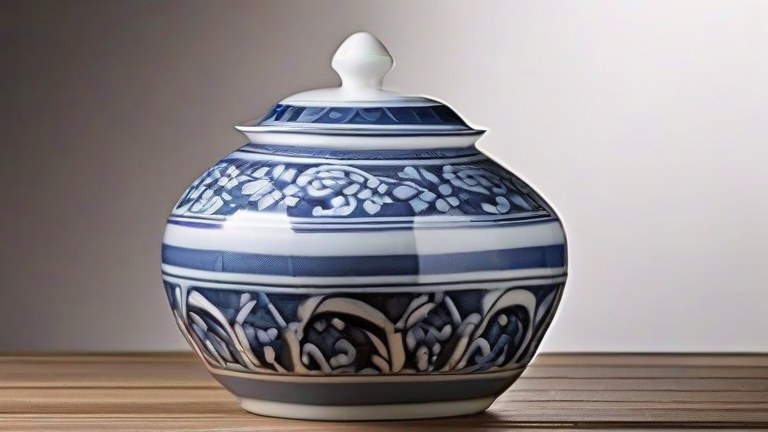
Porcelain History & Culture: A Complete Beginner’s Guide
TL;DR: Porcelain is a high-fire ceramic invented in China, prized for its translucency, durability, and cultural significance across East Asia and Europe. To appreciate it, study its historical evolution from Tang to Ming dynasties and learn to distinguish true hard-paste porcelain from other ceramics based on material composition and firing techniques.
Understanding the Origins and Evolution
Begin your journey by understanding that porcelain, known as “bai ci” or white porcelain in Chinese, was first developed during the Tang Dynasty (618–907 AD). However, it was perfected during the Song Dynasty (960–1279 AD), particularly in the kilns of Jingdezhen, which became the imperial center of porcelain production. To grasp the historical context, read primary sources or museum catalogs that detail the trade routes, such as the Silk Road and later the maritime spice routes, which carried these fragile treasures to the Middle East, Africa, and Europe. This trade sparked a massive cultural exchange, influencing artistic styles in regions like Persia, where Chinese motifs were adapted into local cobalt-on-white wares.
If you want to dig deeper, check out our guide on From China to Europe: The Tech Behind Porcelain’s History.
Identifying True Porcelain Characteristics
Next, learn to distinguish true porcelain from other ceramics. Unlike earthenware or stoneware, true porcelain is made from kaolin clay, petuntse, and feldspar, fired at temperatures exceeding 1,300 degrees Celsius. This high heat vitrifies the material, making it non-porous and highly durable. A practical tip for beginners is to perform the “ring test.” Gently tap the base of a piece with a metal spoon. True porcelain produces a clear, high-pitched, resonant sound, whereas lower-quality ceramics sound dull. Additionally, hold a thin piece up to a bright light; authentic porcelain should exhibit a degree of translucency, allowing light to pass through the edges. Focus on learning the visual cues of different glazes, such as the crackle pattern in Ru ware or the vibrant cobalt blue of Ming Dynasty wares.
Exploring Cultural Significance and Aesthetics
Delve into the cultural symbolism embedded in porcelain designs. In Chinese culture, specific motifs carry deep meanings: dragons represent imperial power, lotus flowers symbolize purity, and phoenixes denote feminine virtue. Understanding these symbols enhances your appreciation of the art. For example, the “blue and white” style became iconic not just for its aesthetic beauty but for its role in diplomatic gifts and trade. Compare these Asian traditions with European developments, such as Meissen in Germany or Sèvres in France, which sought to replicate Chinese aesthetics. Notice how European porcelains often incorporated local mythologies or neoclassical themes, creating a distinct dialogue between East and West. This comparative analysis helps you see porcelain not just as a material, but as a medium of cultural expression and global connectivity.
Curating and Collecting Wisely
If you wish to start collecting, begin with affordable reproductions or modern artisan pieces rather than expensive antiques. Visit local antique fairs or online marketplaces, but always verify authenticity through reputable dealers. Look for marks on the base, such as the six-character reign mark for Ming Dynasty pieces, though be aware that counterfeits are common. Join porcelain collector communities to share knowledge and learn from experienced enthusiasts. Maintain your collection by storing pieces in cool, dry environments away from direct sunlight, which can fade glazes. Handle items with clean hands or cotton gloves to prevent oil buildup. By combining historical knowledge with practical identification skills, you will develop a refined eye for this exquisite art form.
FAQ
Q: What is the difference between porcelain and china?
A: While often used interchangeably, “china” is a colloquial term for porcelain, whereas “porcelain” is the technical ceramic classification defined by its specific clay composition and high firing temperature.
Q: How can I tell if a piece is antique or a modern reproduction?
A: Look for signs of age
Leave a Reply