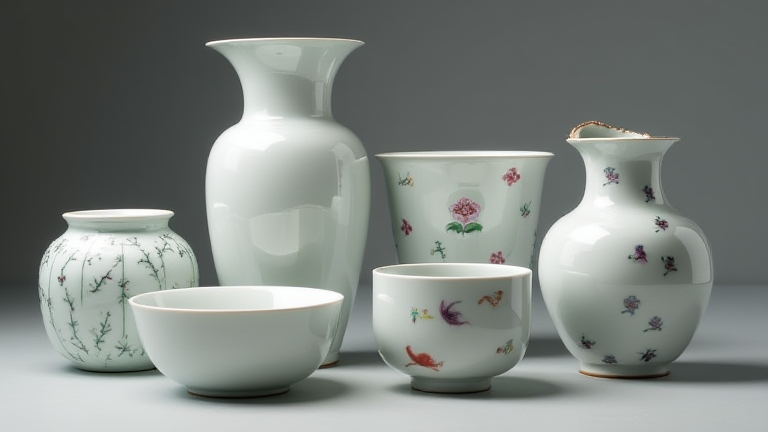
TL;DR: The global porcelain market is expanding rapidly, driven by a surge in heritage-driven craftsmanship and sustainable manufacturing innovations. These seven trends are shifting consumer preferences from mass-produced goods to culturally significant, artisanal pieces that honor historical traditions while embracing modern aesthetics.
The Revival of Heritage Techniques
The first major trend is the renewed interest in ancient firing methods. Consumers are increasingly seeking items produced using wood-fired kilns, a technique that dates back to the Tang Dynasty. This shift reflects a broader cultural movement toward authenticity. According to a 2023 report by Grand View Research, the global ceramics market is projected to grow at a CAGR of 4.5% through 2030, with artisanal segments leading this growth. Experts note that buyers are willing to pay a premium for pieces that tell a story, linking modern design to historical roots. This trend is not merely nostalgic but educational, as manufacturers collaborate with historians to ensure technical accuracy in their production processes. The result is a market where provenance is as valuable as the product itself, creating a deep emotional connection between the user and the object. This cultural resonance is driving sales in high-end galleries and specialized online boutiques, proving that history sells when presented with modern relevance.
If you want to dig deeper, check out our guide on Porcelain History & Tech: 10 Cultural Secrets.
Sustainability and Eco-Conscious Materials
A second critical trend involves the adoption of sustainable practices in porcelain production. Traditional porcelain manufacturing is energy-intensive, but new technologies are reducing carbon footprints significantly. Innovations include recycling ceramic waste into new batches and using solar-powered kilns in production facilities. Industry leaders predict that by 2025, at least 30% of major porcelain manufacturers will have adopted circular economy principles. This shift appeals to environmentally conscious consumers who demand transparency in supply chains. Furthermore, the use of non-toxic glazes and natural pigments is becoming a standard expectation rather than a luxury feature. This trend is reshaping the industry by forcing manufacturers to innovate in efficiency, which ultimately leads to higher quality control and more durable products. The intersection of environmental responsibility and cultural preservation is creating a new niche in the market, where ethical production is a key selling point alongside aesthetic appeal.
Digital Integration and Global Access
The third trend highlights the impact of digital platforms on porcelain culture. Social media has democratized access to artisanal porcelain, allowing creators in remote regions to reach global audiences directly. This has led to a surge in cross-cultural collaborations, blending traditional techniques from China, Japan, and Europe with contemporary design sensibilities. Virtual reality tours of historic kilns and digital archives of porcelain patterns are also enhancing consumer education. Market data indicates that e-commerce sales of decorative ceramics have grown by 15% annually over the past three years. Experts suggest that this digital integration will continue to accelerate, with augmented reality applications allowing customers to visualize how specific porcelain pieces will look in their homes before purchasing. This technological advancement is not replacing physical craftsmanship but rather amplifying its reach and appreciation. It fosters a global community of enthusiasts who share knowledge, techniques, and appreciation for the art form, ensuring that porcelain culture remains vibrant and accessible in the digital age.
As the industry moves forward, these trends will continue to define the landscape. The focus on heritage, sustainability, and digital accessibility ensures that porcelain remains a central element of global culture. Manufacturers who adapt to these shifts will thrive, while those who ignore them risk becoming obsolete. The future of porcelain is not just about making objects; it is about preserving and evolving a rich cultural legacy for the next generation. By integrating historical respect with modern innovation, the industry is poised for sustained growth and deeper cultural impact worldwide.
FAQ
Q: What is the most significant historical trend influencing modern porcelain?
A: The revival of wood-firing techniques is the most significant trend, as it connects modern consumers to ancient craftsmanship methods, enhancing the perceived value and cultural depth of the products.
Q: How is sustainability impacting the porcelain industry?
A: Sustainability is driving innovations in energy-efficient kilns and recycled materials, appealing to eco-conscious buyers and forcing manufacturers to adopt circular economy practices to remain competitive.
Q: What role does
Leave a Reply