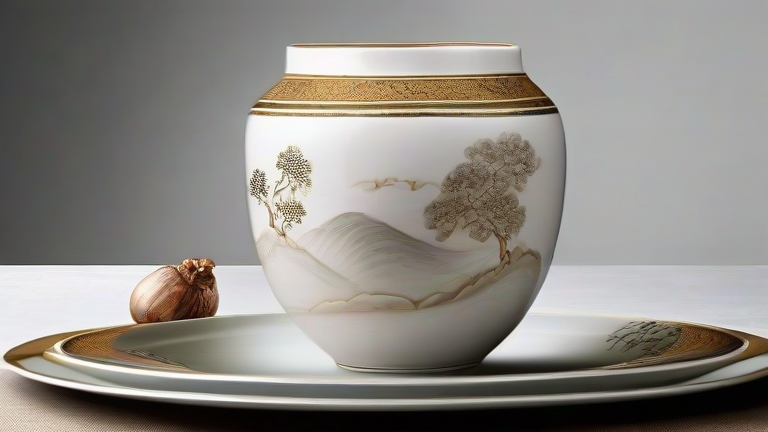
TL;DR: Fine china represents centuries of artistic evolution, blending technical mastery with cultural symbolism from ancient China to modern European studios. This collection highlights how historical context elevates daily dining into a ritualistic appreciation of heritage and craftsmanship.
The Origins of White Gold
Porcelain history begins in the Tang Dynasty, where Chinese artisans discovered the secret to creating a white, translucent ceramic that shone like jade. Known as “white gold,” this material was initially reserved for imperial use, symbolizing purity and high status. For centuries, the secrets of kaolin clay processing remained tightly guarded, making genuine Chinese porcelain a highly coveted trade commodity along the Silk Road. The cultural weight of these early pieces was immense, often serving as diplomatic gifts that bridged vast geographical and political divides. Understanding this origin is crucial for any collector, as it establishes the baseline for what constitutes authentic fine china versus later imitations that lacked the same structural integrity and aesthetic refinement.
If you want to dig deeper, check out our guide on Porcelain History & Culture: A Complete Beginner’s Guide.
European Imitation and Innovation
When porcelain reached Europe in the seventeenth century, it sparked a frenzy of imitation. German and French artisans raced to replicate the Chinese aesthetic, leading to the development of distinct regional styles. Meissen in Germany became the first European manufacturer to produce true hard-paste porcelain, marking a pivotal moment in industrial history. Meanwhile, Sèvres in France introduced a softer, more opaque paste that allowed for intricate floral painting and gold detailing. These European adaptations did not merely copy Chinese motifs; they infused local artistic sensibilities, creating a unique dialogue between East and West. Today, these historical pieces serve as tangible links to a period of intense cross-cultural exchange and technological innovation.
Feature Highlights and Modern Relevance
Modern collections of fine china often feature specific historical designs that appeal to contemporary tastes. Key highlights include the durability of traditional high-fire glazes, which resist chipping better than modern low-fire ceramics. Additionally, the tactile quality of hand-thrown versus wheel-thrown pieces offers a distinct sensory experience. Collectors frequently compare the translucency of early Chinese wares with the opacity of European soft-paste porcelain, noting how each reflects different cultural values regarding light and materiality. The market for these items is robust, with auction houses reporting steady interest in authenticated antiques and limited-edition reproductions that honor historical techniques. This enduring appeal suggests that porcelain is not just a utilitarian object but a cultural artifact that continues to gain value over time.
Comparing Historical Styles
When comparing different eras of porcelain, distinct differences in form and function emerge. Qing Dynasty wares often feature bold blue-and-white designs inspired by landscape painting, emphasizing narrative depth. In contrast, Victorian English china tends toward ornate, gilded exteriors that showcase industrial precision and Victorian excess. Modern minimalist interpretations strip away these decorations, focusing on the pure form and material quality, reflecting contemporary values of simplicity and sustainability. Each style tells a different story about the society that produced it, offering collectors a diverse range of aesthetic and historical narratives to explore. By studying these variations, one gains a deeper appreciation for the versatility of the medium and its ability to adapt to changing cultural landscapes.
Call to Action
If you are eager to deepen your understanding of porcelain history, consider starting with a curated set of historical reproductions or visiting a dedicated ceramic museum. Engaging with these pieces firsthand allows you to appreciate the nuances of glaze and form that photos cannot convey. Join our community of collectors to share insights, verify authentications, and discover new pieces that resonate with your personal aesthetic. The journey into the world of fine china is as rewarding as the destination, offering a lifelong pursuit of beauty and knowledge. Dive into the rich tapestry of ceramic history today and uncover the stories hidden within every shard and surface.
FAQ
Q: What is the primary difference between Chinese and European porcelain history?
A: Chinese porcelain originated as a hard-paste ceramic focused on imperial aesthetics, while European development involved adapting techniques to create distinct regional styles with local artistic influences.
Q: Why is the cultural context of porcelain important for collectors?<br
Leave a Reply