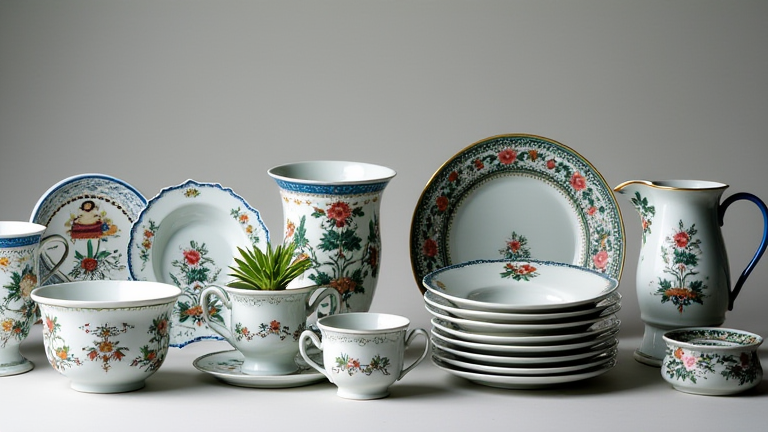
Porcelain History & Culture: A Complete Guide for Collectors
TL;DR: This guide explores the profound historical evolution and cultural significance of porcelain, offering essential insights for new and seasoned collectors alike. It details key dynastic periods, firing techniques, and authentication methods to help you build a valuable and historically rich collection with confidence.
Understanding the Evolution of Porcelain
Porcelain, often referred to as “white gold,” has a history that spans over a thousand years, primarily originating in China. For collectors, understanding the timeline is crucial for authenticating pieces. The Tang Dynasty saw the first true hard-paste porcelains, characterized by their translucency and high firing temperatures. As trade routes expanded, particularly during the Yuan and Ming Dynasties, porcelain became a global commodity, influencing artistic trends from the Middle East to Europe. Each era introduced distinct glaze compositions and decorative motifs, such as the iconic blue and white patterns of the Ming period. These historical markers serve as the primary tools for dating and valuing items. A piece’s provenance, or documented history of ownership, often adds significant value beyond its aesthetic appeal. Collectors must learn to identify the subtle differences in clay bodies and glaze finishes that distinguish one dynasty from another. For instance, the crispness of the cobalt blue pigment can indicate whether a piece was produced in the early or late Ming period. This knowledge is not just academic; it is practical. It allows you to spot fakes, which are prevalent in the antique market. Many modern reproductions mimic ancient styles but lack the chemical consistency of historical materials. By studying primary sources and expert analyses, you can develop an eye that recognizes genuine craftsmanship. This foundation is the first step in becoming a knowledgeable collector who can navigate the complex world of porcelain history with assurance and precision.
If you want to dig deeper, check out our guide on Porcelain History: 7 Fascinating Cultural Facts & Trends.
Cultural Significance and Global Influence
The cultural impact of porcelain extends far beyond its material properties. In Chinese culture, porcelain symbolizes purity, elegance, and refinement, often used in imperial courts and diplomatic gifts. Its journey to Europe sparked a revolution in local pottery, leading to the development of distinct European styles like Delftware and Meissen. Understanding this cultural exchange is vital for collectors who appreciate the narrative behind each piece. For example, “Chinoiserie” patterns in European ceramics reflect the exotic fascination with Chinese art and mythology. These cross-cultural pieces often hold higher value due to their rarity and historical significance. Additionally, porcelain played a role in scientific and medical advancements, such as the creation of surgical instruments and electrical insulators. Collectors should consider these multifaceted uses when evaluating a piece. A simple teacup might tell a story of global trade, artistic interpretation, and technological progress. By contextualizing your collection within these broader historical and cultural frameworks, you enhance its educational value and personal connection. This deeper understanding fosters a more meaningful relationship with the objects you own, transforming mere accumulation into a curated historical archive. It encourages you to look beyond surface aesthetics and appreciate the layers of meaning embedded in each artifact.
Feature Highlights for Serious Collectors
When building a collection, certain features stand out as critical indicators of quality and authenticity. First, examine the base or foot ring of the piece. Genuine antique porcelain often shows signs of wear consistent with age, such as softness in the glaze or specific types of kiln marks. Second, check the transparency. Hold the piece up to a light source; true hard-paste porcelain should be translucent, though this varies by period and thickness. Third, analyze the decoration. Hand-painted items from the Ming or Qing dynasties exhibit a fluidity and precision that modern mass-produced imitations lack. Look for variations in brushwork that indicate human hand rather than mechanical printing. Fourth, consider the weight. Porcelain is dense but lightweight compared to stone or heavy glass. An imbalance in weight may suggest a different material composition. Finally, research the maker’s mark. Many high-quality pieces bear stamps or signatures that can be cross-referenced with historical records. These features, when combined, provide a robust method for evaluating potential acquisitions. They empower you to make informed decisions, reducing the risk of purchasing misattributed or counterfeit items. Mastery of these highlights transforms you
Leave a Reply