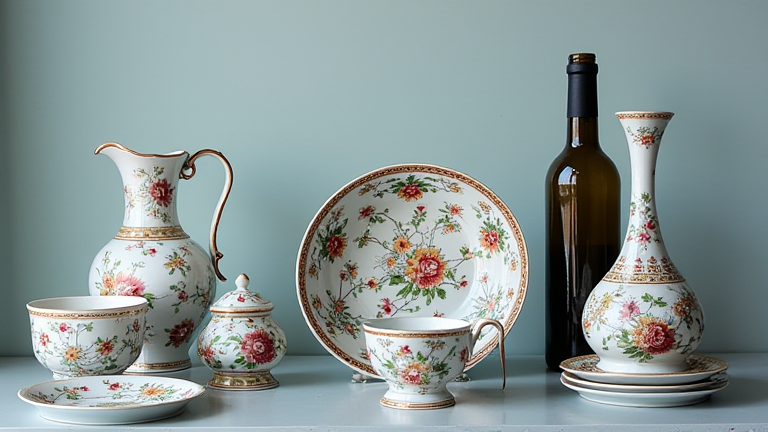
TL;DR: The global porcelain market, valued at approximately $1.2 billion in 2023, is experiencing a renaissance driven by a surge in cultural heritage appreciation and sustainable production methods. Future trends indicate a 6% CAGR through 2030, fueled by digital customization and a growing demand for authentic, handcrafted artisanal pieces that celebrate diverse cultural histories.
The Enduring Legacy of Porcelain
Porcelain, often called “white gold,” has served as a symbol of luxury, technological prowess, and cultural exchange for over a millennium. Originating in China during the Han Dynasty, its production techniques were closely guarded secrets for centuries before spreading to Europe, where it sparked a global obsession. Today, the industry is not just about manufacturing tableware; it is a complex cultural sector that intersects with art, history, and modern consumer behavior. The resurgence of interest in porcelain is not merely nostalgic but reflects a deeper consumer desire for objects that carry narrative weight and historical significance. As markets shift towards experiential and meaningful consumption, porcelain stands out as a medium that bridges the gap between ancient tradition and contemporary design.
If you want to dig deeper, check out our guide on Porcelain History & Culture: The Complete Beginner’s Guide.
Market Dynamics and Cultural Value
Recent market data reveals a robust recovery in the global porcelain sector, with the industry reaching a valuation of roughly $1.2 billion in 2023. This growth is attributed to several key factors, including the rising disposable income in emerging markets and a renewed interest in fine dining and home aesthetics. However, the most significant driver is the cultural premium placed on authentic heritage pieces. Collectors and consumers are increasingly willing to pay a premium for porcelain that tells a story, whether it is from the Ming Dynasty, the Meissen era in Germany, or the Royal Copenhagen tradition in Denmark. According to industry analysts, the collectible segment is growing faster than the mass-market tableware sector, indicating a shift towards high-value, low-volume production models. Furthermore, the integration of digital technology has allowed for greater traceability, enabling consumers to verify the origin and authenticity of their porcelain purchases, thereby increasing trust and value in the market.
Expert Insights on Sustainability and Innovation
Leading experts in the ceramics industry highlight sustainability as the next major frontier for porcelain. Traditional porcelain production is energy-intensive, requiring high-temperature firing processes that contribute to carbon emissions. Consequently, manufacturers are investing in kiln technologies that reduce energy consumption by up to 30%. Dr. Elena Rossi, a senior researcher in materials science, notes, “The future of porcelain lies in the use of recycled materials and bio-based glazes. Consumers are demanding transparency in their supply chains, and brands that can demonstrate sustainable practices are seeing higher engagement and loyalty.” Additionally, 3D printing technology is being explored to create intricate designs that were previously impossible to achieve through traditional mold-making. This innovation allows for mass customization, where individual customers can design unique pieces that reflect their personal tastes while maintaining the structural integrity and aesthetic quality of traditional porcelain. This blend of old-world craftsmanship and new-world technology is creating a new category of “smart” porcelain, where functionality and artistry converge seamlessly.
Future Predictions and Cultural Trends
Looking ahead, the porcelain industry is expected to grow at a Compound Annual Growth Rate (CAGR) of 6% through 2030. Key trends include the rise of “cultural tourism,” where visitors to historic porcelain workshops are offered immersive experiences that combine education with artisanal creation. This model not only boosts local economies but also educates a new generation about the historical significance of ceramic arts. Furthermore, we anticipate a surge in the use of porcelain in high-tech applications, such as 5G antenna components and medical implants, due to its unique electrical and thermal properties. However, the cultural sector will remain the primary driver of brand equity. Brands that successfully leverage their historical heritage while embracing modern sustainability and digital engagement will lead the market. The convergence of art, technology, and sustainability ensures that porcelain will remain a vital part of global cultural dialogue and economic activity in the coming decades.
FAQ
Q: What is the primary driver of the current growth in the porcelain market?
A
Leave a Reply