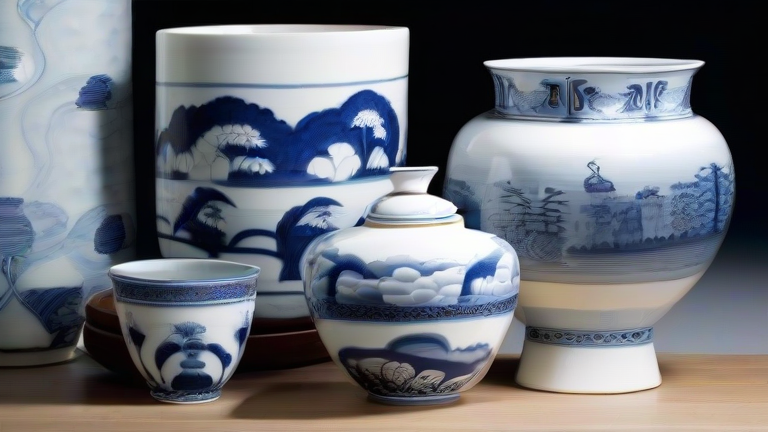
Porcelain History: A Tech Deep Dive Into Ceramic Culture
TL;DR: Modern porcelain production has evolved from traditional kilns to precision-controlled automated systems, leveraging advanced material science to achieve consistent structural integrity and aesthetic perfection. This technological shift has transformed porcelain from a luxury art form into a scalable industrial material with significant applications in both consumer goods and high-tech sectors.
The narrative of porcelain is no longer just about artistic heritage; it is a story of engineering precision and material innovation. For centuries, the production of true porcelain, or hard-paste porcelain, was guarded as a state secret, particularly in China, where the specific geological composition of kaolin and petuntse was closely monitored. Today, the “tech” aspect of ceramic culture revolves around the ability to replicate and enhance these ancient materials through modern industrial processes. The latest developments in porcelain manufacturing focus on reducing waste, improving energy efficiency, and expanding the material’s utility beyond traditional tableware and decorative arts.
If you want to dig deeper, check out our guide on Porcelain History: 5 Cultural Secrets Behind China’s White G.
Material Specifications and Modern Manufacturing
Contemporary porcelain specifications are defined by rigorous standards that ensure density, translucency, and thermal shock resistance. Modern formulations typically consist of a precise blend of kaolin, feldspar, and quartz, but the real breakthrough lies in the processing technology. Automated mixing systems now ensure particle size distribution at a microscopic level, which is critical for achieving the desired vitrification during firing. The firing process itself has moved from wood or gas-fired kilns to electric and microwave-assisted kilns, which offer superior temperature control. This precision allows manufacturers to achieve firing temperatures between 1,300 and 1,450 degrees Celsius with minimal variance, resulting in products with near-zero porosity. This low porosity is the key technical specification that distinguishes true porcelain from other ceramics, making it impervious to liquids and highly resistant to staining and wear.
Furthermore, advancements in glaze chemistry have led to the development of eco-friendly, lead-free, and cadmium-free glazes that meet stringent international safety standards. These new formulations do not sacrifice the glossy, durable finish that defines high-quality porcelain. Instead, they utilize nano-ceramic particles that enhance the surface hardness and chemical resistance. This technological refinement has allowed porcelain to enter new markets, such as high-end electronics where ceramic substrates are required for their insulating properties and thermal stability. The integration of AI in quality control also plays a pivotal role, using computer vision to detect microscopic flaws that would be invisible to the human eye, ensuring that only perfect batches reach the market.
Industry Impact and Cultural Preservation
The impact of these technological advancements on the ceramic industry is profound. By automating the most labor-intensive aspects of production, manufacturers can scale up output without compromising the artisanal quality that defines the culture. This balance between mass production and high-end craftsmanship has democratized access to fine porcelain, making it a staple in global hospitality and home design. Moreover, the sustainability angle has become a major driver of industry growth. New recycling technologies allow for the reprocessing of kiln waste and defective products, turning them back into raw material for new batches. This circular economy approach reduces the environmental footprint of ceramic production, aligning with global sustainability goals.
Culturally, the tech deep dive reveals a preservation effort. Digital archives and 3D scanning technologies are being used to document and preserve historical porcelain techniques and designs. This digital heritage ensures that traditional aesthetics are not lost to time but can be studied and replicated with modern precision. The fusion of ancient art and modern technology creates a unique value proposition for brands that leverage both their historical lineage and their innovative manufacturing capabilities. As we look to the future, the convergence of biodegradable ceramics and smart materials promises to further expand the horizon of what porcelain can be, moving it from a static decorative object to a dynamic functional component in our daily lives.
FAQ
Q: What makes modern porcelain different from traditional ancient porcelain?
A: Modern porcelain utilizes automated precision mixing and advanced firing technologies to ensure consistent density and lower porosity, while often incorporating eco-friendly glaze chemistries that were not available in ancient times.
Q: How
Leave a Reply