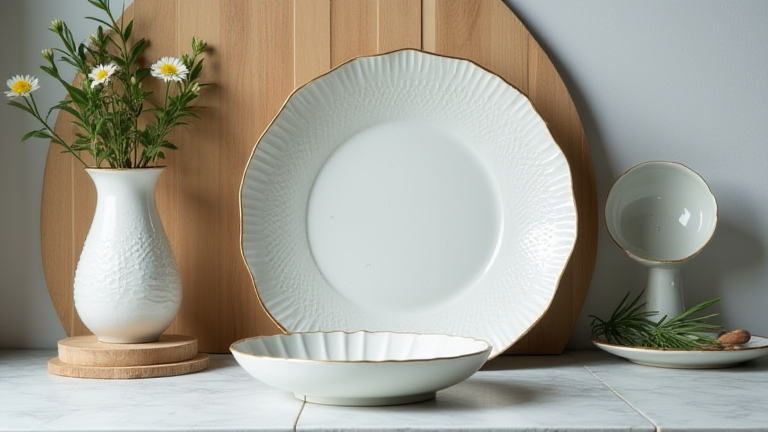
TL;DR: Porcelain history offers timeless lessons in patience, precision, and the beauty of imperfection that can elevate your daily lifestyle. By embracing the slow craft of creation and valuing durability over disposability, you can cultivate a more mindful and sophisticated personal aesthetic.
The Alchemy of Patience
For centuries, porcelain was not just a material; it was a secret. Originating in China, the “white gold” was guarded as a state secret for millennia, representing the pinnacle of alchemical mastery. In a world addicted to instant gratification, the history of porcelain teaches us the profound value of waiting. The kiln firing process is unforgiving; a single degree of error or a moment of impatience can shatter months of labor. Apply this to your personal growth by slowing down. Whether you are learning a new skill, cultivating a relationship, or planning a career move, understand that true mastery requires time. Stop rushing the process. Allow the heat of your experiences to harden your character slowly, resulting in a structure that is resilient and elegant rather than brittle and rushed.
If you want to dig deeper, check out our guide on Porcelain History: How China’s White Gold Defined Global Lux.
Embracing the Wabi-Sabi of Craft
While Western industrial production strives for perfect uniformity, the history of porcelain, particularly in Japanese and Chinese traditions, often celebrates the unique marks of the maker. The subtle variations in glaze, the slight irregularities in shape, and the famous “crackle” patterns are not defects but signatures of authenticity. In your lifestyle, reject the pressure to be flawless. Embrace the concept of wabi-sabi, finding beauty in the transient and the imperfect. When you decorate your home or choose your wardrobe, opt for pieces with character and history. A hand-thrown vase with a slight wobble tells a story that a mass-produced item never could. This shift in perspective reduces anxiety and fosters a deeper appreciation for the human touch in a digital, automated world.
Curiosity as a Travel Engine
The quest for porcelain drove global exploration and trade, connecting East and West through the Silk Road and later maritime routes. Today, this historical thread offers a unique travel angle. Instead of visiting generic tourist traps, trace the footsteps of the porcelain merchants. Visit the kiln sites in Jingdezhen, China, or the historic factories in Meissen, Germany. These locations are not just museums; they are living classrooms on cultural exchange. Use your curiosity to drive your travel plans. Learn about the specific minerals that create the blue and white patterns, and understand how these aesthetics influenced global design. This intellectual engagement transforms a vacation from a passive consumption experience into an active educational journey, deepening your connection to the places you visit.
Sustainability Through Durability
Porcelain is one of the most durable tableware materials known to humankind. It does not chip easily, it does not stain, and it can be used for generations. The history of the “fine china” sets passed down through families is a testament to the value of investing in quality. In your food and dining habits, move away from single-use plastics and fragile disposables. Invest in high-quality, durable tableware that reflects your values. This is a practical application of sustainability. By choosing items that last, you reduce waste and create a ritual around your meals. The weight and coolness of a fine porcelain plate can enhance the sensory experience of eating, encouraging you to savor your food and the company you keep, turning a mundane task into a cherished daily ritual.
FAQ
Q: Why is porcelain considered a status symbol in history?
A: Because its production was extremely difficult and secretive, making it rare and expensive, which associated it with royalty and high culture.
Q: How can I incorporate porcelain aesthetics into a modern home?
A: Use white or neutral-toned porcelain pieces as accents to create a clean, minimalist look that highlights texture and form.
Q: What is the best way to care for antique porcelain?
A: Handle with clean hands, wash gently with lukewarm water, and store in padded areas to prevent ch
Leave a Reply