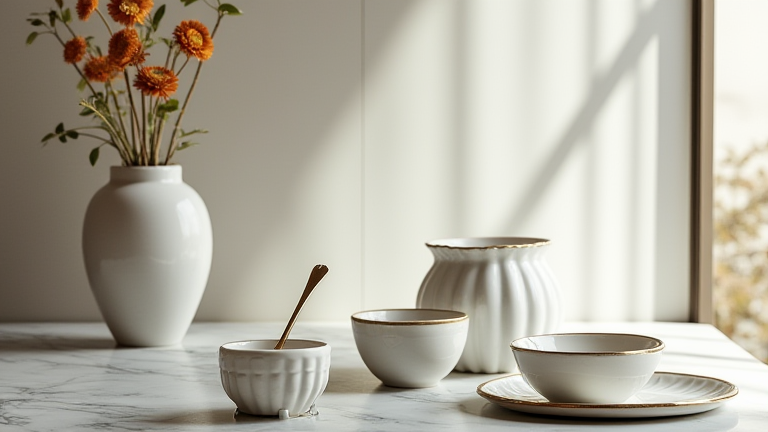
TL;DR: China’s invention of porcelain, known as “white gold,” revolutionized global trade by establishing the first true consumer goods market and defining luxury standards for over a millennium. Its aesthetic principles of purity and elegance continue to shape modern interior design, culinary practices, and cultural identity today.
The Origins of White Gold
Long before the digital age connected the world, the shimmering, translucent quality of Chinese porcelain captivated European elites. Originating from the kilns of Jingdezhen, this material was not just a vessel for tea or food; it was a symbol of sophisticated taste. The term “China” itself became synonymous with the object, highlighting how deeply this export defined national identity. For centuries, possessing a set of genuine Chinese porcelain signified wealth, education, and cosmopolitan awareness. It transformed dining from a mere biological necessity into a curated sensory experience, emphasizing the visual harmony between the food and the plate.
If you want to dig deeper, check out our guide on Porcelain History & Culture: A Guide to Fine China.
Cultural Exchange and Daily Life
The desire for this “white gold” drove the Silk Road and later maritime trade routes, fundamentally altering how nations interacted. This exchange was not one-way; European attempts to replicate the material led to innovations in local ceramics, eventually giving rise to distinct regional styles like Meissen in Germany. In modern lifestyle contexts, this historical exchange teaches us the value of cross-cultural appreciation. Today, the minimalist aesthetic of traditional Chinese porcelain influences contemporary home decor. The clean lines and neutral tones of classic white bowls and vases serve as neutral canvases in modern kitchens, allowing the natural colors of fresh ingredients to stand out. This reflects a broader cultural shift towards mindfulness and simplicity in our daily routines.
Modern Relevance and Personal Growth
In an era of disposable plastics and fast fashion, the enduring nature of porcelain offers a lesson in sustainability and quality. Investing in high-quality ceramic ware is an act of personal growth, encouraging us to slow down and appreciate the objects we use daily. The ritual of serving tea or preparing a meal on fine porcelain fosters a sense of calm and intentionality. It connects us to a long history of craftsmanship and artistry, reminding us that our daily habits are part of a larger cultural narrative. By understanding the history behind the objects in our homes, we deepen our connection to the present, transforming mundane tasks into moments of cultural reflection and aesthetic pleasure.
FAQ
Q: Why is porcelain historically referred to as “white gold”?
A: It was called white gold because it was as valuable as gold, often used as currency or diplomatic gifts due to its rarity and high demand in Europe.
Q: How did Chinese porcelain influence modern interior design?
A: Its minimalist aesthetic and emphasis on form over ornamentation inspired the modern preference for clean lines, neutral palettes, and functional beauty in home decor.
Q: Is using fine porcelain still considered a luxury today?
A: While widely available, high-quality, handcrafted porcelain remains a symbol of quality and status, often reserved for special occasions or high-end hospitality settings.
Leave a Reply