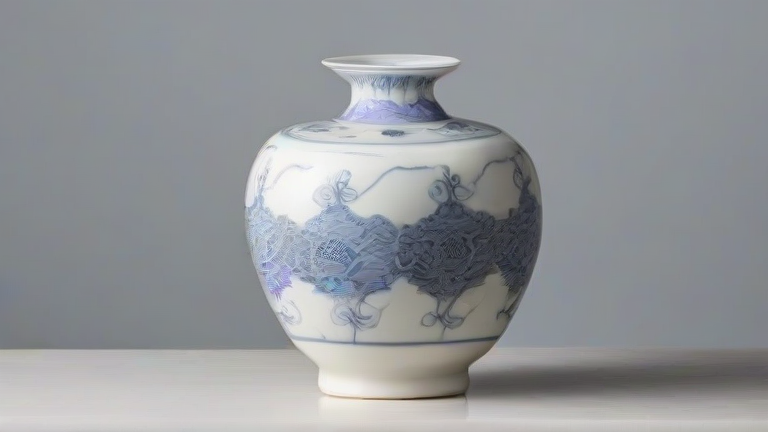
TL;DR: Porcelain history reveals that its production involves unique mineral compositions and firing techniques that have influenced global trade and cultural aesthetics for centuries. Understanding these historical and cultural aspects enriches our appreciation of ceramic arts, offering insights into material science and sustainable lifestyle choices today.
The Alchemy of Earth and Fire
Porcelain, often called the “white gold” of history, is more than just a delicate dinnerware piece; it is a testament to human ingenuity and geological complexity. Originating in ancient China during the Han Dynasty, its secret recipe involved specific kaolin clay and petuntse stones fired at temperatures exceeding 1,300 degrees Celsius. This process creates a non-porous, vitrified structure that is both durable and aesthetically pleasing. For modern wellness enthusiasts, understanding this material history connects us to a broader narrative of craftsmanship and mindfulness. The slow, deliberate process of creating porcelain mirrors the principles of mindful living, encouraging patience and attention to detail. By valuing objects made with such care, we cultivate a deeper respect for the artisans and the natural resources used in their creation.
If you want to dig deeper, check out our guide on Porcelain History: A Guide to Its Cultural Impact on Lifesty.
Cultural Secrets and Health Connections
One surprising health fact is that genuine porcelain is inherently safer than many low-quality ceramics. Because it is fired at high temperatures, it does not leach lead or cadmium, common contaminants in poorly made glazed ware. This makes it a healthier choice for daily use, especially for storing acidic foods or beverages. Another cultural secret lies in the “imperial” status of porcelain in various Asian cultures, where it was reserved for the elite due to its purity and translucency. This exclusivity drove global exploration and trade, reshaping economies and introducing new dietary habits worldwide. In the context of lifestyle tips, choosing high-quality, lead-free porcelain for your kitchen can be a small but significant step toward reducing toxic exposure. It also promotes a minimalist, high-quality approach to consumption, aligning with sustainable wellness practices that favor durability over disposability.
Lifestyle Tips for the Modern Enthusiast
Incorporating porcelain into your daily routine can enhance both aesthetic pleasure and health safety. Start by inspecting your existing dishes for any signs of chipping or low-quality glazes, replacing them with certified lead-free alternatives. Consider hosting “mindful meals” where the focus is not just on food, but on the presentation and the history of the vessels used. This practice encourages slowing down, savoring flavors, and appreciating the cultural heritage behind your tableware. Additionally, supporting local ceramic artists who use traditional, eco-friendly firing methods can help preserve cultural skills while promoting local economies. By making conscious choices about the materials we use daily, we contribute to a healthier environment and a more enriched cultural life. The beauty of porcelain is not just in its appearance, but in its story, a story that spans millennia and continues to influence our lives today.
FAQ
Q: Is all porcelain safe for daily use?
A: High-quality, kiln-fired porcelain is generally safe, but always ensure it is labeled lead-free to avoid potential toxin leaching, especially from older or low-cost items.
Q: How does porcelain history impact modern wellness trends?
A: It influences wellness by promoting the use of non-toxic, durable materials in daily life, encouraging a mindful appreciation for craftsmanship and sustainability in household items.
Q: What is the best way to care for antique porcelain?
A: Handle antiques with clean, dry hands, avoid abrasive cleaners, and store them in a stable environment to prevent thermal shock, preserving both their historical value and structural integrity.
Leave a Reply