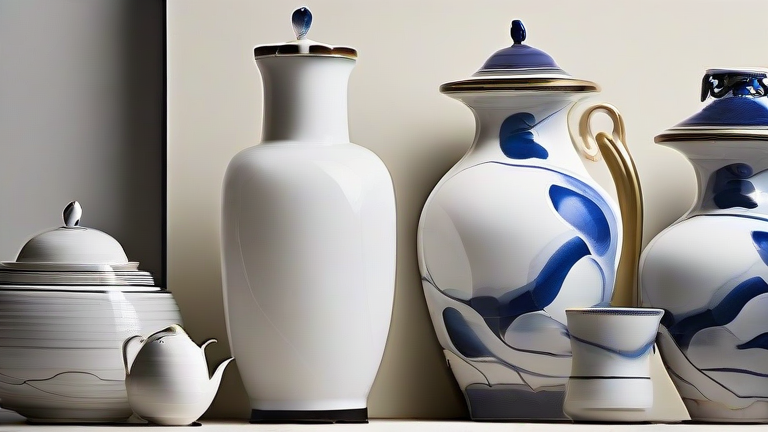
Porcelain History: Unveiling the Art, Culture, and Lifestyle Legacy
TL;DR: Porcelain is a material that transformed global trade and cultural exchange by introducing a durable, translucent aesthetic that defined elegance for centuries. Its legacy persists in modern lifestyle choices, where collecting and using fine china signifies a deep appreciation for craftsmanship, history, and refined living.
The Journey from China to the World
The story of porcelain begins in the kilns of ancient China, where alchemists accidentally discovered a material that was harder than glass but softer than stone. For over a thousand years, this “white gold” was a closely guarded secret, reserved exclusively for the imperial court. The intricate process of mixing kaolin clay with feldspar and quartz, then firing it at extreme temperatures, resulted in a vessel that was not only functional but also symbolized purity and sophistication. When European traders finally brought these delicate pieces to the West, they sparked a frenzy. The desire to replicate this material drove scientific innovation and established the foundation for the modern ceramics industry. This historical arc highlights how a single material can bridge continents, fostering economic growth and cultural dialogue that remains relevant today.
Porcelain in Modern Lifestyle and Dining
In contemporary life, porcelain has moved beyond the museum display case to become a central element of the modern home. The revival of interest in handmade ceramics reflects a broader cultural shift toward mindful consumption and artisanal quality. Choosing a hand-thrown porcelain mug or a set of fine china plates is no longer just about utility; it is a statement of personal values. It signals a preference for durability and beauty over disposable convenience. This trend aligns with the growing popularity of slow living, where individuals seek to create meaningful rituals around daily activities like drinking tea or sharing a meal. By investing in high-quality porcelain, consumers are not merely buying objects; they are curating an environment that encourages presence and appreciation. The tactile experience of holding a smooth, cool porcelain cup can ground us in the moment, offering a sensory contrast to the digital noise of modern existence.
Cultural Significance and Personal Growth
Beyond its aesthetic appeal, porcelain serves as a powerful tool for personal growth and cultural understanding. Learning about the history of specific styles, such as Meissen from Germany or Limoges from France, provides a window into the social and political dynamics of different eras. Engaging with these stories fosters a sense of global connectivity and respect for diverse artistic traditions. Furthermore, the act of collecting or using porcelain encourages patience and attention to detail. The fragility of the material demands care, teaching us to handle our possessions with mindfulness. In this way, porcelain becomes a teacher, guiding us toward a more deliberate and appreciative way of life. It reminds us that beauty often requires time, skill, and care, values that are increasingly rare in a fast-paced world.
FAQ
Q: What makes porcelain different from standard ceramic?
A: Porcelain is fired at much higher temperatures and contains specific materials like kaolin, making it denser, more durable, and often translucent compared to standard earthenware.
If you want to dig deeper, check out our guide on Porcelain History: 10 Fascinating Facts & Cultural Insights.
Q: How can I care for my porcelain collection to ensure longevity?
A: Avoid thermal shock by not moving pieces from cold to hot environments quickly, and wash gently with mild soap, using a soft cloth to prevent scratches.
Q: Is investing in vintage porcelain a good financial move?
A: While some rare pieces appreciate in value, most vintage porcelain is best viewed as a cultural and aesthetic investment rather than a primary financial asset.
Leave a Reply