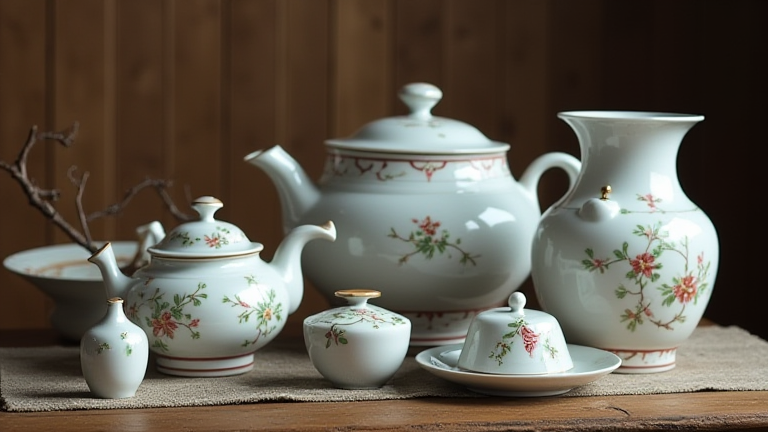
TL;DR: While ancient ceramics themselves do not possess inherent medicinal properties, their cultural integration into daily life promotes mindfulness, stress reduction, and mindful eating practices. Engaging with porcelain art and history fosters a sense of connection and calm, indirectly supporting overall mental and physical well-being through aesthetic appreciation and ritualized living.
The Historical Context of Porcelain
Porcelain, often referred to as “white gold,” originated in China during the Han Dynasty but reached its peak refinement during the Tang and Song dynasties. For centuries, this material was not merely a vessel for food but a symbol of status, purity, and sophistication. The process of creating porcelain requires precise control over temperature and raw materials, reflecting a human desire for perfection and harmony. Understanding this history provides a backdrop for how these objects influence our modern lifestyle. When we interact with historical artifacts, we engage in a form of cultural meditation that can slow down our frantic modern pace. This deceleration is crucial for mental health, allowing the nervous system to shift from a state of high alert to one of rest and digest.
If you want to dig deeper, check out our guide on Porcelain History & Culture: The Tech Behind China’s White G.
Psychological Benefits of Aesthetic Interaction
Science suggests that exposure to beautiful objects can lower cortisol levels and improve mood. Porcelain, with its delicate translucency and smooth texture, offers a unique sensory experience. Holding a fine china cup or arranging a ceramic vase engages the tactile senses, grounding the individual in the present moment. This practice aligns with mindfulness principles, which have been extensively documented to reduce anxiety and improve emotional regulation. By dedicating time to appreciate the craftsmanship of ancient ceramics, we create a ritual that separates us from digital distractions. This intentional pause allows for deeper reflection and emotional processing, contributing to better mental clarity and reduced feelings of overwhelm.
Mindful Eating and Ceramic Vessels
The choice of tableware significantly impacts the dining experience. Studies indicate that eating from ceramic or glass plates, as opposed to plastic or paper, can enhance the perceived quality of food and encourage slower, more mindful consumption. Porcelain, being a high-end ceramic, elevates this effect further. The weight and coolness of porcelain under the hand provide sensory feedback that signals care and attention. This encourages diners to savor their meals, leading to better digestion and more sustained energy levels. Furthermore, the aesthetic pleasure derived from fine ceramics can improve social interactions during meals, fostering stronger community bonds. Social connection is a well-established pillar of health, linked to longer life expectancy and improved immune function. Thus, using porcelain is not just an aesthetic choice but a health-conscious habit that promotes holistic well-being.
Lifestyle Tips for Integration
To incorporate these benefits into your daily routine, consider starting a small collection of high-quality ceramic pieces. Use them for specific rituals, such as morning tea or evening reflection. Engage with the history behind each piece, perhaps reading about the kilns or artisans involved. This intellectual engagement adds a layer of depth to the physical interaction. Additionally, consider visiting local museums or pottery workshops to deepen your connection with the craft. These activities provide opportunities for learning, socialization, and creative expression, all of which are vital for cognitive health and emotional resilience. By integrating porcelain into your lifestyle, you transform a simple object into a tool for self-care and cultural appreciation.
FAQ
Q: Does drinking from porcelain mugs have direct health benefits?
A: While porcelain is chemically stable and safe for food contact, the direct health benefits are primarily psychological and behavioral, such as promoting mindfulness and slower eating habits.
Q: How can I care for antique porcelain to maintain its integrity?
A: Handle antique pieces with clean, dry hands, wash them gently with mild soap and lukewarm water, and store them in a climate-controlled environment to prevent thermal shock and cracking.
Q: Is it safe to use cracked porcelain for food storage?
A: No, cracked porcelain should not be used for food or beverages, as the cracks can harbor bacteria and the structural integrity is compromised, posing a risk of breakage and contamination.
Leave a Reply