Porcelain History & Culture: A Guide to Health Benefits
TL;DR: High-quality porcelain tableware and sanitary ware contribute to health by providing non-porous, chemically inert surfaces that resist bacterial growth and eliminate harmful leaching risks. Engaging with ceramic arts and maintaining proper dental health through porcelain-based implants further supports holistic well-being and cultural connection.
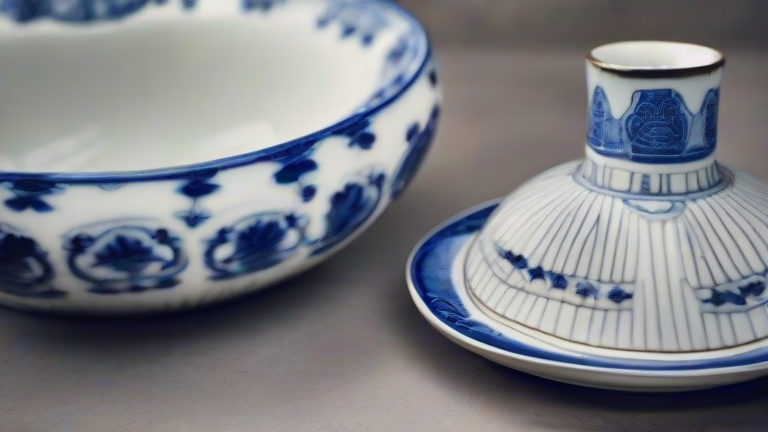
The intersection of material science and public health is often overlooked, yet porcelain plays a pivotal role in daily hygiene and safety. Originating in China during the Tang Dynasty, porcelain has evolved from a luxury item into a standard for modern sanitation and dining. Its primary health benefit lies in its vitreous nature. Unlike earthenware or stoneware, true porcelain is fired at extremely high temperatures, resulting in a non-porous surface. This characteristic prevents the absorption of liquids, oils, and bacteria, making it exceptionally easy to sanitize. For individuals with allergies or sensitive skin, choosing lead-free, cadmium-free porcelain dinnerware eliminates the risk of heavy metal leaching into food, a concern that persists with lower-quality ceramics or certain glazed pottery.
If you want to dig deeper, check out our guide on Porcelain History: A Beginner’s Guide to History & Culture.
Sanitary Porcelain and Hygiene
In the realm of public health, porcelain’s application extends beyond dining. Porcelain toilet seats and sinks, common in many cultures, offer a durable and hygienic alternative to plastic or wood. The smooth, glazed surface of porcelain resistants to mold and mildew, reducing the need for harsh chemical cleaners that can irritate respiratory systems. Regular maintenance of porcelain sanitary fixtures ensures a sterile environment, which is crucial for preventing the spread of pathogens in households and public facilities. From a lifestyle perspective, investing in well-crafted porcelain items encourages a slower, more mindful approach to daily routines. The tactile quality of fine porcelain can enhance the dining experience, promoting slower eating and better digestion, which aligns with wellness principles of mindful consumption.
Porcelain in Dental Health
Dental porcelain represents another significant health application. Porcelain crowns, bridges, and veneers are preferred by many patients due to their biocompatibility and aesthetic superiority over metal or acrylic alternatives. Porcelain is gentle on surrounding tissues and does not cause allergic reactions, ensuring long-term oral health. Furthermore, the precision of modern dental porcelain helps maintain proper bite alignment, which can prevent jaw pain and headaches. Culturally, the pursuit of a healthy smile through porcelain restorations reflects a broader societal value placed on personal grooming and confidence. By choosing high-quality dental porcelain, individuals invest in both their physical health and their cultural identity, aligning with global standards of beauty and wellness. This holistic view underscores that porcelain is not merely an aesthetic choice but a functional tool for sustaining health across various aspects of life.
FAQ
Q: Is porcelain safe for people with metal allergies?
A: Yes, high-quality porcelain is generally inert and does not contain reactive metals, making it a safe option for individuals with sensitivities to nickel or other alloys commonly found in traditional dental or kitchenware products.
Q: How does porcelain compare to plastic in terms of hygiene?
A: Porcelain is non-porous and resistant to scratching, which prevents the accumulation of bacteria and biofilm that can occur in micro-abrasions on plastic surfaces, offering a superior hygienic profile for long-term use.
Q: Can using porcelain tableware improve dietary habits?
A: While not a direct nutritional factor, the aesthetic appeal and weight of fine porcelain can encourage mindful eating, prompting users to eat slower and appreciate their food more fully, which supports better digestive health and satiety signals.
Leave a Reply