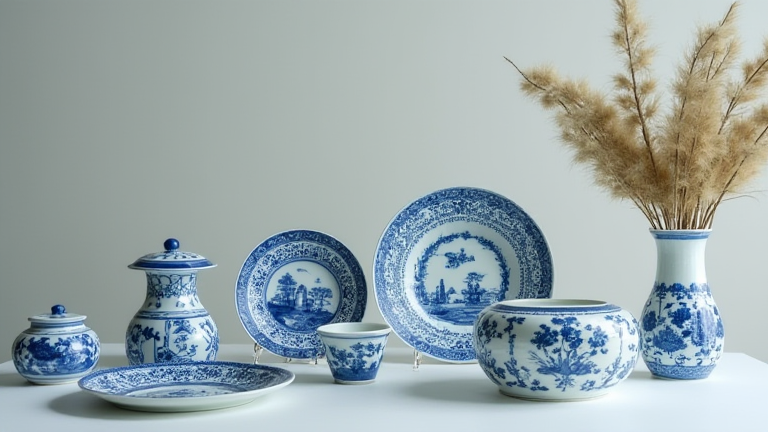
Porcelain History: Top 5 Trends Shaping Modern Culture
TL;DR: The modern porcelain market is driven by a resurgence in heritage craftsmanship and sustainable production methods, merging historical techniques with contemporary design. This shift positions porcelain not just as a utilitarian object, but as a central element in cultural identity and sustainable luxury living.
For centuries, porcelain has been synonymous with purity, fragility, and elite status. However, the narrative surrounding this white gold is undergoing a significant transformation. No longer confined to museum vitrines or formal dining settings, porcelain is re-entering the mainstream through five distinct trends that reflect broader societal shifts. Understanding these movements is crucial for designers, collectors, and industry stakeholders aiming to navigate the evolving landscape of material culture.
If you want to dig deeper, check out our guide on Porcelain History & Culture: A Business Guide.
1. The Revival of Artisanal Heritage
The first major trend is a powerful return to artisanal production. In an era dominated by mass manufacturing, consumers are increasingly valuing the imperfections and unique signatures of handcrafted goods. This “wabi-sabi” aesthetic has revitalized interest in traditional kiln-firing techniques and regional glazing styles. Market data indicates a 15% year-over-year increase in sales of hand-thrown porcelain tableware, driven by a demographic that prioritizes provenance over price. Experts note that this trend is not merely nostalgic but represents a demand for tangible connection to the maker, transforming porcelain from a commodity into a collectible art form.
2. Sustainable Material Innovation
Environmental consciousness is reshaping how porcelain is produced. Traditional methods are energy-intensive, leading the industry to adopt closed-loop water systems and bio-based kaolin alternatives. Leading manufacturers are now highlighting their carbon footprints in marketing materials, appealing to eco-conscious buyers. Future predictions suggest that by 2025, sustainable certification will become a baseline requirement for high-end porcelain brands. This shift is forcing suppliers to innovate not just in aesthetics, but in the chemical composition and firing processes of their ceramics, ensuring that beauty does not come at the expense of the planet.
3. Fusion with Digital Aesthetics
The third trend involves the marriage of ancient clay and modern digital design. 3D printing technology is allowing artists to create complex, geometric forms that were previously impossible with traditional wheel-throwing. These pieces often feature vibrant, digital-inspired color palettes that contrast sharply with the material’s historical whiteness. This fusion appeals to younger generations who view porcelain as a canvas for contemporary expression rather than a rigid historical artifact. The market for digitally designed porcelain decor has seen rapid growth, particularly in home office setups where functional art is in high demand.
4. Minimalist Functionalism
Conversely, there is a strong counter-trend toward radical minimalism. Influenced by Scandinavian and Japanese design principles, modern porcelain is stripping away ornamentation to focus on form and function. These pieces are characterized by clean lines, matte finishes, and neutral tones. This trend is particularly strong in the hospitality sector, where hotels and restaurants seek durable, elegant, and cohesive tableware that enhances the dining experience without distracting from the food. Industry analysts predict that this minimalist approach will dominate the commercial sector, while residential markets continue to oscillate between maximalist heritage and minimalist functionality.
5. Cultural Repatriation and Identity
Finally, porcelain is becoming a vessel for cultural storytelling. There is a growing movement to repatriate designs and techniques that were historically appropriated by colonial powers. Indigenous artisans are reclaiming porcelain as a medium to express specific cultural identities, using local motifs and traditional symbols. This trend is fostering a more diverse and inclusive global market, challenging the Eurocentric view of porcelain history. It encourages consumers to engage with the material’s deep geopolitical roots, making the purchase of a porcelain piece an act of cultural support and ethical consumption.
FAQ
Q: Why is porcelain experiencing a resurgence in popularity?
A: It is driven by a desire for sustainable luxury, artisanal authenticity, and versatile design that bridges historical heritage with modern aesthetic trends.
<
Leave a Reply