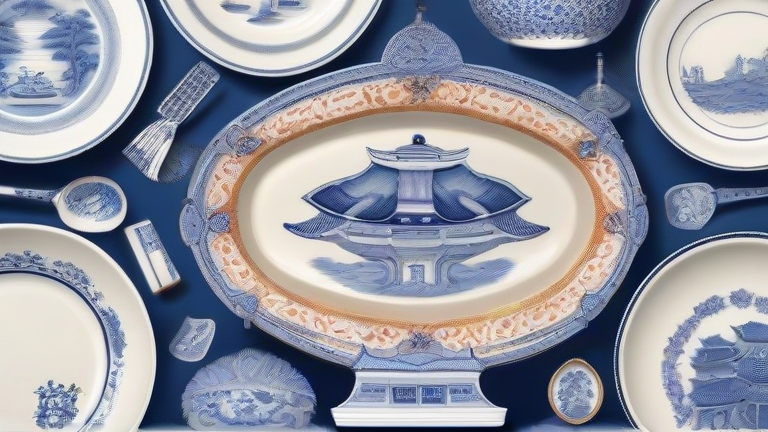
TL;DR: Porcelain is a high-fired ceramic known for its white, translucent body, originating in ancient China and becoming a global symbol of luxury and cultural exchange. This guide explains how to understand its historical evolution, identify key cultural motifs, and appreciate its significance in art and daily life.
Understanding the Origins of Porcelain
Step one is grasping the timeline. Porcelain was invented in China during the Han Dynasty, but it reached its golden age during the Song and Ming dynasties. The primary raw material is kaolin, or China clay, which allows the clay to withstand extremely high firing temperatures without warping. Unlike earthenware or stoneware, true porcelain is non-porous and vitrified, meaning it is waterproof and highly durable. To begin your study, focus on the “three treasures” of Chinese ceramics: kaolin, feldspar, and quartz. Understanding these components helps you appreciate why porcelain feels so different from other ceramics. It is lighter, harder, and resonates with a clear, bell-like sound when tapped.
If you want to dig deeper, check out our guide on Porcelain History: The Cultural Legacy Behind Global Busines.
Exploring Cultural Significance and Motifs
Step two involves decoding the cultural language embedded in porcelain designs. Each pattern often carries specific symbolic meaning. For example, the dragon represents imperial power and strength, while the phoenix symbolizes grace and virtue. The “thousand-year-old peony” signifies wealth and honor. When examining a piece, look at the glaze color. Cobalt blue was a highly valued import from Persia, making blue-and-white wares particularly prestigious. Underglaze red was another complex technique that demonstrated the skill of the kiln master. By learning these symbols, you transform a simple decorative object into a narrative artifact. Consider how porcelain served as a diplomatic gift and a trade commodity, linking East Asia to Europe, the Middle East, and the Americas. This global network created distinct cultural hybrids, such as the Delftware of the Netherlands or the Meissen porcelain of Germany, which sought to replicate the Chinese aesthetic.
Appreciating Techniques and Preservation
Step three is understanding the craftsmanship. The “throwing” process on a potter’s wheel requires immense skill to create perfectly symmetrical walls. After shaping, the piece is bisque fired, glazed, and then fired again at temperatures exceeding 1,200 degrees Celsius. This high heat is what creates the characteristic translucency. To appreciate a piece, hold it up to a light source. If you can see the silhouette of your hand through the rim, it is likely true porcelain. When collecting or studying, handle pieces with clean, dry hands. Avoid placing them in direct sunlight for extended periods, as this can fade delicate painted details. Use soft cloths for cleaning and avoid abrasive materials that might scratch the glaze. Store delicate items in padded boxes to prevent accidental chipping, which can significantly reduce both the aesthetic and monetary value of the artifact.
Integrating Porcelain into Modern Culture
Step four is recognizing porcelain’s contemporary relevance. It remains a staple in modern art, used by contemporary artists to challenge traditional forms. In interior design, porcelain tableware and decorative objects continue to signify sophistication and refinement. Understanding the history allows you to make informed choices when purchasing or displaying these items. Whether you are a collector, an art student, or a curious enthusiast, viewing porcelain as a bridge between ancient craftsmanship and modern design enriches your cultural literacy. It is not just a material; it is a vessel of history, trade, and artistic expression that has shaped global tastes for centuries.
FAQ
Q: What is the main difference between porcelain and stoneware?
A: Porcelain is fired at higher temperatures, making it more durable, non-porous, and translucent, whereas stoneware is less dense and typically opaque.
Q: Why was porcelain so valuable in ancient China?
A: It was considered a royal commodity due to its difficulty to produce, its beauty, and its association with the emperor, making it a status symbol and diplomatic gift.
Q: How can
Leave a Reply