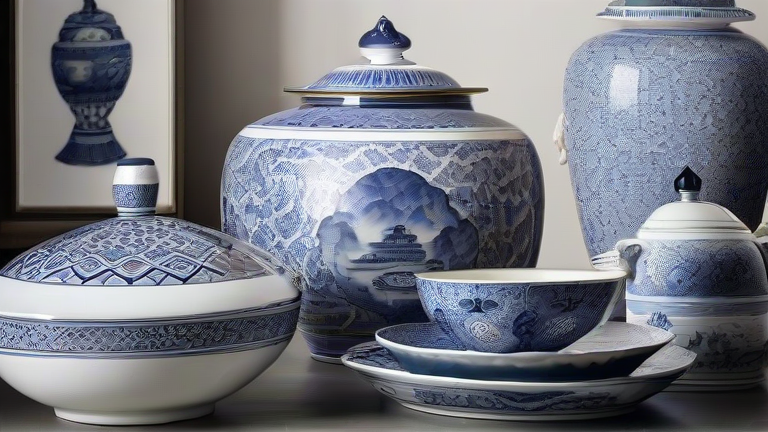
TL;DR: Porcelain history reveals a centuries-long journey of alchemical secrets and diplomatic exchange that shaped global luxury standards. Understanding its cultural evolution enhances appreciation for contemporary design and culinary arts.
The Alchemy of White Gold
For centuries, porcelain was known as “white gold,” a material so precious it was reserved for imperial courts and religious rites. Its origins trace back to the Tang Dynasty in China, where artisans perfected the recipe of kaolin clay and feldspar, firing it at temperatures that created a translucent, ringing vessel. This breakthrough was not merely technical; it was a cultural declaration of refinement. The smooth, pure white surface symbolized clarity and moral purity, influencing aesthetic values across East Asia. To understand porcelain is to understand the intersection of geology, chemistry, and philosophical idealism that defined high culture for millennia.
If you want to dig deeper, check out our guide on Porcelain History & Culture: A Guide to Health Benefits.
Global Exchange and Colonial Desire
When European traders first encountered Chinese porcelain in the sixteenth century, it triggered a global obsession. The material became a primary driver of maritime trade, shaping colonial ambitions and economic policies. The desire to replicate the “China” of the East led to intense scientific competition in Europe. This period marked a significant shift in cultural identity, as possessing porcelain signified wealth and sophistication. It transformed dining rituals, moving from communal wooden bowls to individualized, elegant place settings. This shift redefined personal hygiene and social etiquette, embedding porcelain into the fabric of Western daily life. The aesthetic influence extended beyond the table, inspiring architecture and fashion that valued lightness and purity.
Culinary and Design Legacy
Today, porcelain remains a cornerstone of luxury lifestyle and culinary presentation. In fine dining, the choice of tableware is a deliberate cultural statement. High-quality porcelain enhances the sensory experience of food, complementing flavors through its neutral taste and visual elegance. For the modern traveler and food enthusiast, visiting historic porcelain factories offers a deeper connection to these traditions. From the delicate blue-and-white patterns of Jingdezhen to the minimalist modernist lines of Meissen, each piece tells a story of craftsmanship and heritage. Engaging with these objects encourages a personal growth mindset, fostering appreciation for slow-made goods and the artistry behind everyday items.
FAQ
Q: What makes porcelain different from ceramic?
A: Porcelain is fired at much higher temperatures, making it denser, whiter, and more translucent than standard ceramic.
Q: Why is porcelain considered a status symbol?
A: Its historical rarity and complex manufacturing process made it expensive and exclusive, associating it with wealth and high culture.
Q: How does porcelain history impact modern dining?
A: It established the foundation for fine tableware, influencing hygiene, presentation, and the ritualistic aspects of eating.
Leave a Reply