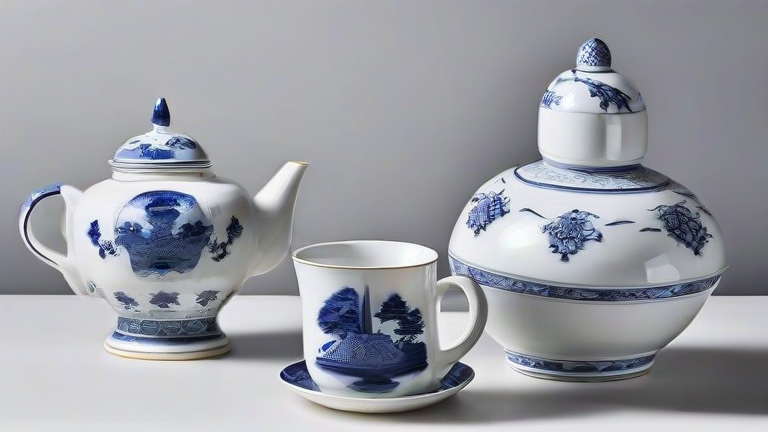
TL;DR: Explore the evolution of porcelain from ancient China to European mastery by studying key historical periods and artistic styles. Learn to identify cultural motifs and production techniques to appreciate the deep significance behind every piece.
Step 1: Understand the Origins in China
Begin your journey by studying the Tang and Song dynasties. Early white porcelain was valued for its purity, while blue-and-white designs emerged during the Ming Dynasty. Recognize that these initial styles established the global standard for ceramic aesthetics. Focus on the transition from utilitarian objects to artistic statements, noting how trade routes spread Chinese influence across Asia and eventually to Europe. This foundational knowledge helps you appreciate the sheer longevity and adaptability of the craft.
Step 2: Trace the European Renaissance
Next, examine the European attempt to replicate Chinese porcelain. Focus on the discovery of kaolin in Germany, which led to the founding of Meissen in 1710. This marked the beginning of hard-paste porcelain production in Europe. Study how different regions developed unique styles, such as the delicate pastels of Sèvres in France or the bold patterns of Delftware in the Netherlands. Understanding these regional differences allows you to distinguish between authentic historical pieces and later imitations, enhancing your ability to curate or collect with confidence.
Step 3: Analyze Cultural Symbols and Patterns
Dedicate time to decoding the symbolic language of porcelain. In China, peonies represent wealth, while dragons symbolize imperial power. In Europe, floral motifs often reflected local gardens or royal tastes. Learn to read these visual cues to understand the social status and cultural context of the original owner. This step transforms a simple plate into a window into history, revealing the values and aesthetics of past civilizations through their material culture.
Step 4: Evaluate Condition and Authenticity
Finally, learn basic conservation and authentication tips. Check for hairline cracks, repairs, or mismatched glazes that indicate later modifications. Use magnification to examine the base for maker’s marks, which are crucial for dating and identifying the manufacturer. Practice handling pieces with clean, dry hands to prevent oil damage. By combining historical knowledge with physical inspection, you develop a comprehensive skill set for engaging with porcelain as both art and history.
FAQ
Q: What is the main difference between porcelain and ceramic?
A: Porcelain is a subset of ceramic made from kaolin clay and fired at much higher temperatures, resulting in a denser, whiter, and more translucent material that rings when struck.
If you want to dig deeper, check out our guide on Porcelain History & Culture: A Complete Beginner’s Guide.
Q: Why was Chinese porcelain so valuable in Europe?
A: It was prized for its durability, hygiene, and aesthetic beauty, serving as a status symbol for elites who could not easily produce or afford such refined tableware locally.
Q: How can I safely clean antique porcelain?
A: Use lukewarm water and a mild, non-abrasive soap with a soft cloth, avoiding harsh chemicals or ultrasonic cleaners that might damage glazes or gilding.
Leave a Reply