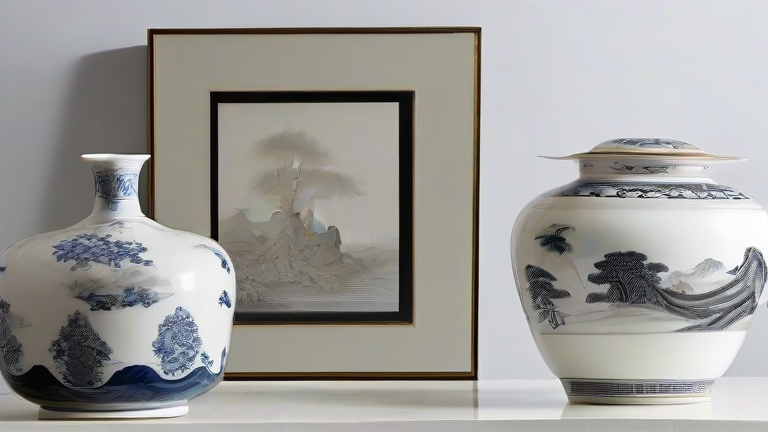
Porcelain History & Culture: A Lifestyle Guide to Fine Art
TL;DR: Porcelain is more than just tableware; it is a tangible connection to centuries of artistic innovation and cultural exchange. Integrating porcelain into your lifestyle elevates daily rituals into mindful experiences of history and aesthetic beauty.
The Alchemy of Earth and Fire
Porcelain, often called “white gold,” represents the pinnacle of ceramic craftsmanship. Originating in China during the Han Dynasty, this material was long a closely guarded secret. Its unique properties—translucency, strength, and a smooth, glass-like finish—stem from the specific mixture of kaolin clay and feldspar, fired at extremely high temperatures. For the modern lifestyle enthusiast, understanding this history transforms a simple teacup into a vessel of narrative. When you hold a piece of porcelain, you are holding a fragment of industrial revolution and ancient artistry.
If you want to dig deeper, check out our guide on Porcelain History: Top 5 Trends Shaping Modern Culture.
Curating Your Daily Rituals
Incorporating porcelain into your home is an act of personal growth and cultural appreciation. Unlike mass-produced plastic or ceramic, porcelain demands a certain level of care and attention. This inherent delicacy encourages mindfulness. Sipping tea from a hand-thrown Meissen cup or serving a meal on a set of Limoges plates slows down the pace of daily life. It forces a pause, inviting you to appreciate the tactile coolness of the glaze and the visual weight of the form. This practice aligns with the broader lifestyle trend of “slow living,” where quality over quantity defines personal satisfaction.
Furthermore, collecting or using porcelain connects you to global cultural dialogues. European factories like Sèvres and Meissen were established to emulate Chinese designs, sparking a trans-Atlantic artistic revolution. By choosing pieces with provenance, whether from historic European kilns or contemporary Asian artisans, you support sustainable art forms and preserve cultural heritage. It is a subtle way to travel through time and space without leaving your dining room.
FAQ
Q: How do I care for fine porcelain to ensure longevity?
A: Avoid sudden temperature changes to prevent thermal shock, hand wash with mild soap and a soft sponge, and store pieces in padded racks to prevent chipping.
Q: What is the difference between porcelain and stoneware?
A: Porcelain is made from kaolin clay and fired at higher temperatures, resulting in a denser, whiter, and more translucent material, whereas stoneware is less porous and typically more opaque.
Q: Why is porcelain considered a status symbol?
A: Historically, its production was complex and rare, making it expensive; today, its association with luxury dining and artistic craftsmanship maintains its prestige in high-end lifestyle circles.
Leave a Reply