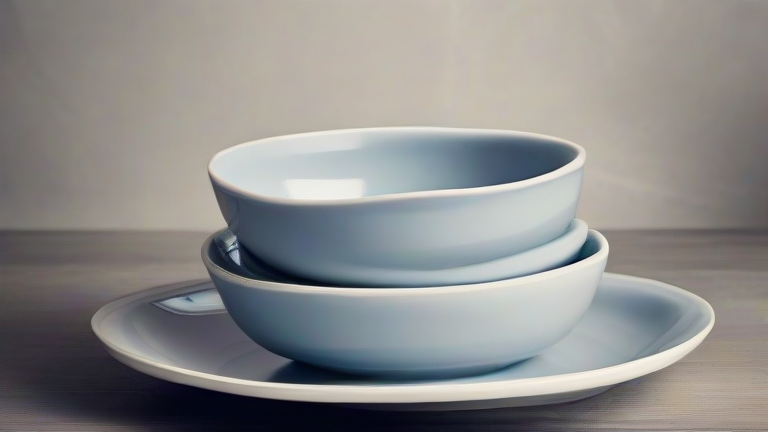
TL;DR: Porcelain’s evolution from imperial luxury to daily domestic use has shaped global hygiene standards and aesthetic wellness practices for centuries. Engaging with high-quality porcelain ceramics today supports mindful living through tactile pleasure, non-toxic safety, and the preservation of rich cultural heritage.
The Alchemy of Health and Heritage
Porcelain is often viewed merely as a material for tableware, yet its history is deeply intertwined with human health and cultural identity. Originating in China, the invention of true porcelain required precise control over clay composition and kiln temperatures, a mastery that signaled advanced scientific understanding. This material revolutionized sanitation by providing a non-porous surface that could be easily cleaned, drastically reducing the spread of bacteria compared to earlier organic or earthenware containers. The transition from clay to porcelain marked a pivotal moment in public health, allowing for safer storage of food and water, which contributed to improved nutritional outcomes in communities that could afford this technology.
If you want to dig deeper, check out our guide on Porcelain History & Culture: A Guide for Business Leaders.
Seven Secrets for Modern Wellbeing
Understanding these historical nuances allows us to appreciate modern porcelain as a wellness tool rather than just a commodity. First, the ritual of tea drinking, central to East Asian culture, promotes mindfulness and stress reduction. The thermal properties of porcelain retain heat effectively, encouraging slow, deliberate sipping that enhances the sensory experience. Second, the aesthetic purity of white porcelain, often called “white gold,” fosters a sense of calm and clarity in domestic spaces. Studies suggest that clean, minimalist environments reduce cognitive load, and porcelain’s smooth, reflective surfaces contribute to this effect. Third, the durability of porcelain means less frequent replacement, aligning with sustainable lifestyle choices that reduce environmental stressors. Fourth, the craftsmanship involved in hand-painted porcelain connects users to artisanal traditions, promoting a sense of community and cultural continuity. Fifth, the lack of porousness ensures that modern, lead-free porcelain is safe for daily use, supporting digestive health by avoiding chemical leaching. Sixth, the weight and balance of fine porcelain encourage mindful eating, as the tactile experience slows consumption, aiding digestion and satiety. Finally, collecting or displaying porcelain art serves as a form of passive meditation, offering a visual anchor for cultural pride and historical appreciation. By integrating these aspects into daily life, individuals can transform simple routines into acts of self-care.
Integrating Culture into Daily Health
To leverage the benefits of porcelain, choose high-quality, lead-free pieces for daily use. Incorporate slow-paced rituals, such as traditional tea ceremonies, to enhance mindfulness. Displaying culturally significant porcelain art in living spaces can create a serene atmosphere that supports mental well-being. These practices not only honor historical traditions but also promote a holistic approach to health that values aesthetics, safety, and cultural connection.
FAQ
Q: Is all porcelain safe for daily health use?
A: Yes, provided it is certified lead-free and cadmium-free, which is standard for modern commercial tableware. Always look for safety labels to ensure compliance with health regulations.
Q: How does using porcelain support mental wellness?
A: The tactile quality and aesthetic beauty of porcelain can promote mindfulness and reduce stress during meals, creating a calm and focused dining environment.
Q: What is the cultural significance of porcelain in wellness practices?
A: Porcelain is central to rituals like tea drinking, which emphasize mindfulness, social connection, and respect for tradition, all of which are key components of holistic well-being.
Leave a Reply