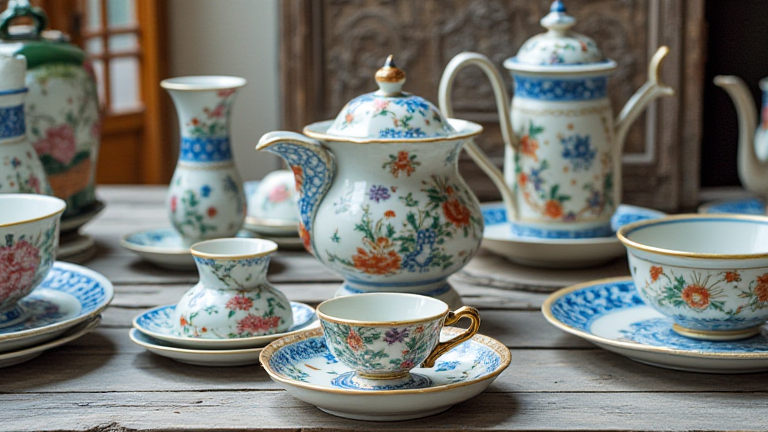
Porcelain History: Cultural Impact & Business Insights
TL;DR: Porcelain has evolved from a guarded Chinese secret into a global luxury symbol, driving multi-billion dollar markets through cultural prestige and aesthetic innovation. Modern businesses leverage its historical narrative and artisanal value to command premium pricing and foster brand loyalty among affluent consumers.
The Historical Foundation of Value
Porcelain, often called “white gold,” has shaped global trade for centuries. Originating in China during the Han Dynasty, it was a closely guarded state secret for over a millennium. The ability to create a material that was translucent, durable, and aesthetically superior to earthenware gave China a massive economic advantage. European traders paid exorbitant prices for these goods, fueling the Age of Exploration. This historical scarcity and exclusivity laid the groundwork for porcelain’s enduring status as a luxury good. Today, this heritage is not just a footnote; it is a core asset in brand storytelling. Consumers do not just buy a cup or a vase; they purchase a slice of history. Understanding this lineage allows modern manufacturers to position their products not merely as household items, but as collectible artifacts with deep cultural resonance. The narrative of craftsmanship, patience, and high-temperature firing processes continues to justify premium price points in the contemporary market.
If you want to dig deeper, check out our guide on Porcelain History & Culture: A Guide to Fine China.
Market Analysis and Consumer Trends
The global tableware and decorative arts market is experiencing a significant shift. While mass-produced ceramic dominates the volume sales, the high-end porcelain segment is growing at a faster rate, driven by the “slow living” and “experiential luxury” trends. Data indicates that consumers in North America and Europe are increasingly willing to pay for sustainable, hand-finished, and ethically sourced products. The market is segmented into three primary tiers: entry-level hotelware, mid-range consumer tableware, and high-end artistic collectibles. The high-end tier shows the highest profit margins, often exceeding 60%. Furthermore, the rise of e-commerce has democratized access to artisanal porcelain. Online platforms allow niche studios to reach global audiences without the heavy overhead of physical retail. However, this also intensifies competition. Success in this digital space requires a robust visual narrative and a clear differentiation strategy based on unique design aesthetics or historical authenticity. Sustainability is also a critical factor; brands that transparently outline their production processes and environmental impact are seeing stronger customer retention rates.
Strategic Insights for Modern Brands
To thrive in this competitive landscape, businesses must adopt a holistic strategy that blends heritage with modern relevance. First, leverage storytelling. Do not just sell the product; sell the process. Highlight the hands of the artisans, the source of the clay, and the historical techniques used. Second, diversify product lines. While tableware remains the core, expanding into home decor, jewelry, and fashion accessories allows brands to tap into different consumer demographics and increase average order value. Third, focus on limited editions. Scarcity drives desire. Collaborating with contemporary artists or offering seasonal collections creates urgency and exclusivity. Finally, invest in customer experience. Packaging, unboxing experiences, and after-sales support are crucial for luxury goods. A memorable unboxing can turn a one-time buyer into a lifelong advocate. Brands that treat porcelain as a cultural artifact rather than a commodity will build deeper emotional connections with their customers.
Case Study: The Renaissance of Meissen
Meissen, the first European porcelain manufacturer, offers a compelling case study in brand revitalization. In the early 2000s, Meissen faced declining sales and an aging customer base. The brand executed a strategic pivot by partnering with high-profile designers and artists for limited-edition collections. They also aggressively expanded their digital presence, using high-quality video content to showcase the intricate hand-painting process. This modernized their image while retaining their core heritage. As a result, Meissen saw a significant increase in sales among younger, affluent demographics. They successfully repositioned themselves from a legacy brand to a contemporary luxury icon. This case illustrates the power of bridging historical prestige with modern design and digital marketing strategies. It proves that even centuries-old brands can remain relevant by embracing innovation and engaging with new audiences through compelling digital narratives.
Leave a Reply