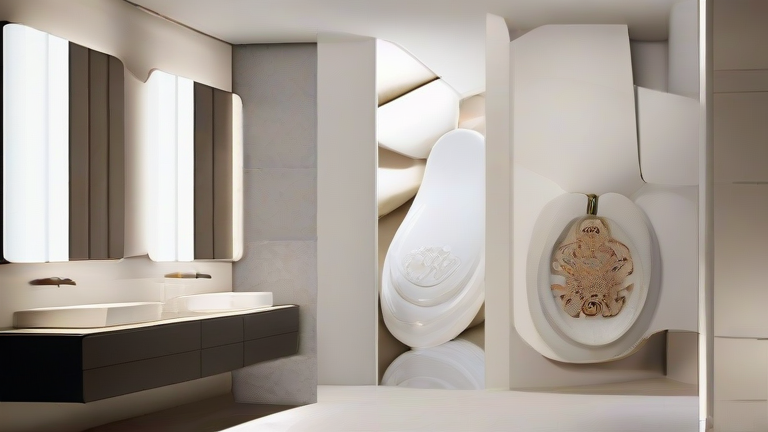
TL;DR: Porcelain’s health legacy stems from its non-porous, chemically inert surface, which resists bacterial growth and does not leach harmful substances—unlike early lead-glazed earthenware. Its cultural history as a “white gold” trade item pushed kiln technologies that accidentally created safer, more durable dining ware for daily use.
From Poisoned Plates to Pure White: A Safe-Material Revolution
For centuries, ordinary pottery was a hidden health hazard. Ancient and medieval earthenware relied on lead-based glazes to achieve a shiny, waterproof finish. When acidic foods—like vinegar, wine, or tomato sauces—came into contact with these glazes, lead leached into meals, causing chronic poisoning, cognitive decline, and even gout, a disease nicknamed “the potter’s rot.” Porcelain, first perfected in China during the Tang dynasty (618–907 CE), changed this trajectory. Its secret was kaolin clay and petuntse stone, fired at over 1,300°C. This extreme heat vitrified the body, making it naturally glass-like and impermeable—no lead glaze needed. The result was a surface that simply did not interact chemically with food.
If you want to dig deeper, check out our guide on Porcelain History & Culture: A Business Guide.
Cultural Trade That Improved Public Health
Porcelain’s journey along the Silk Road and later via European trade ships was driven by aesthetics, but its health benefits traveled alongside. By the 16th century, European aristocrats prized Chinese porcelain not just for its beauty but because it didn’t taint food or drink. This “white gold” demand prompted European alchemists—most famously Johann Friedrich Böttger in 1708—to reverse-engineer the formula. The resulting Meissen and later Limoges porcelains were not only artistic triumphs but also public health victories: they replaced pewter (which could contain lead and tin impurities) and lead-glazed wares in wealthy households. By the 19th century, industrial production made porcelain affordable, and its inert surface became the gold standard for hospital dishes, baby bottles, and laboratory equipment.
Modern Lifestyle & Science-Backed Tips
Today, not all “ceramic” is equal. Bone china and fine porcelain remain the safest choices for hot, acidic, or fermented foods. To maximize this legacy, choose lead-free certified porcelain for everyday use, especially for children and pregnant women. Avoid using antique or hand-painted porcelain for food—pre-1970 pieces may contain lead in decorative overglazes. Microwave-safe porcelain is fine, but avoid thermal shock: never move it from fridge to microwave. For daily health, use porcelain for tea, coffee, and soup—its smooth surface resists micro-cracks where bacteria breed, unlike stoneware or terracotta. Finally, hand-wash with mild soap; harsh abrasives can erode the glaze, exposing raw clay that may harbor microbes.
FAQ
Q: Is all porcelain lead-free?
A: No. Modern commercial porcelain is generally lead-free, but vintage, antique, or artisan pieces with painted decorations (especially red, yellow, or orange) may contain lead in the glaze. Always test or avoid using such items for food.
Q: Can porcelain leach other metals like cadmium or arsenic?
A: Quality porcelain fired at high temperatures is vitrified and chemically stable, so leaching is negligible. However, low-quality or counterfeit “porcelain” mixed with frits may release trace metals. Buy from reputable brands certified to FDA or EU standards.
Q: Is porcelain better than stainless steel or glass for health?
A: Porcelain and glass are equally inert, but porcelain is more chip-resistant than glass and lighter than steel. Unlike stainless steel, porcelain does not impart a metallic taste, and its non-porous surface is less prone to biofilm buildup than some steel grades.
Leave a Reply