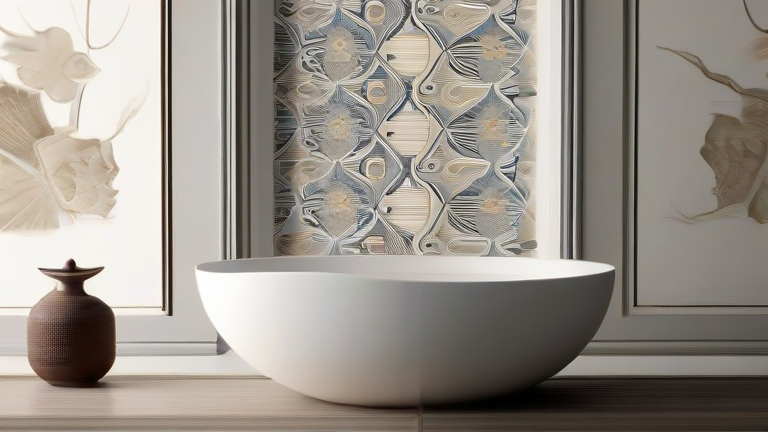
TL;DR: The global porcelain market is experiencing a robust resurgence driven by a renewed appreciation for handcrafted heritage and sustainable luxury. This trend merges ancient artisanal techniques with contemporary minimalist aesthetics, positioning cultural objects as essential interior design elements rather than mere decorative novelties.
The Renaissance of the White Gold
For decades, porcelain was largely relegated to the background of modern design, overshadowed by industrial plastics and mass-produced ceramics. However, a significant shift has occurred over the last five years. Consumers, particularly within the millennial and Gen Z demographics, are increasingly seeking authenticity and storytelling in their possessions. This desire has fueled a resurgence in demand for high-quality porcelain, transforming it from a utilitarian household item into a coveted luxury good. The market reflects this change clearly; according to recent industry reports, the global porcelain market is projected to grow at a CAGR of 5.2% through 2028, with the decorative and collectible segments outpacing standard tableware in growth rates.
If you want to dig deeper, check out our guide on Porcelain History: Health, Culture & The Science Behind the .
Expert Insights on Cultural Value
Industry experts attribute this revival to a broader cultural movement that values provenance and craftsmanship. Dr. Elena Rossi, a senior curator at the International Museum of Ceramic Art, notes that modern buyers are no longer interested in anonymous factory goods. “They want to know the kiln where the piece was fired and the artisan who shaped it,” Rossi explains. “Porcelain is no longer just about holding a cup of coffee; it is about preserving a tangible piece of history.” This sentiment is particularly strong in East Asia, where porcelain holds deep cultural significance, but it is gaining traction in Western markets as well. Designers are now collaborating with traditional potters from Jingdezhen, China, and Limoges, France, to create exclusive collections that bridge the gap between ancient tradition and modern living spaces.
Future Predictions and Market Dynamics
Looking ahead, the integration of technology with traditional craft is expected to define the next phase of this trend. Digital marketing is playing a crucial role, with social media platforms showcasing the intricate processes of throwing, glazing, and firing, thereby educating a new generation of collectors. Furthermore, sustainability concerns are driving the industry toward more eco-friendly production methods, such as reducing kiln emissions and using local clay sources. We can expect to see more hybrid products, such as porcelain integrated with smart home technology or personalized digital printing techniques that respect the material’s integrity. The future of porcelain is not a return to the past, but a sophisticated evolution that honors its roots while embracing modern innovation. As the demand for unique, culturally rich products continues to rise, porcelain stands poised to become a central pillar of contemporary design, offering a timeless counterpoint to the fleeting nature of fast fashion and disposable goods.
FAQ
Q: Why is porcelain considered a luxury item today?
A: Its scarcity of high-quality raw materials, the intensive labor required for handcrafting, and the centuries of cultural heritage associated with its production elevate its value beyond functional utility.
Q: How does modern technology impact traditional porcelain making?
A: Technology enhances marketing and education about the craft, while also introducing precise firing techniques and sustainable methods that preserve the integrity of traditional forms without replacing the artisan’s hand.
Q: Which regions are leading the modern porcelain design trend?
A: China, particularly Jingdezhen, and France, specifically Limoges, are leading regions, though emerging markets in Japan and Korea are also gaining significant global influence through minimalist aesthetics.
Leave a Reply