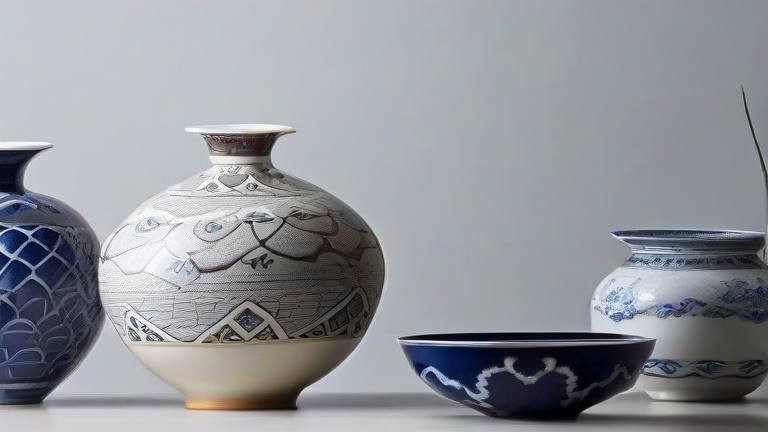
TL;DR: Ancient porcelain techniques, particularly the use of non-toxic glazes and high-fire firing, established foundational standards for material safety that directly influence modern hygiene practices. Embracing the mindfulness of ceramic arts and using safe porcelain tableware supports digestive health by eliminating harmful chemical leaching.
The Alchemy of Health in Clay
Porcelain is not merely a decorative art form; it is a historical milestone in public health. Originating in China during the Han Dynasty and perfected in the Tang Dynasty, the development of porcelain involved mastering high temperatures that vitrify clay into a dense, non-porous material. This structural integrity prevents the absorption of moisture and bacteria, a feature that revolutionized food storage and preparation. Ancient craftsmen understood that a smooth, glazed surface was easier to clean, inadvertently creating the first line of defense against waterborne illnesses and foodborne pathogens. Modern science confirms that high-quality porcelain is chemically stable and inert, making it superior to porous earthenware for health-conscious individuals.
If you want to dig deeper, check out our guide on Porcelain History & Culture: A Business Guide for Modern Bra.
Modern Wellness Applications
In contemporary wellness, the history of porcelain informs our choices regarding daily objects. First, prioritize lead-free, cadmium-free glazes. While ancient glazes sometimes contained toxic metals, modern standards have evolved. Always purchase from reputable manufacturers who adhere to strict safety regulations, ensuring that your teacups and plates do not leach heavy metals into acidic foods. Second, consider the therapeutic aspect of ceramic arts. Engaging in pottery or mindful appreciation of porcelain can reduce stress levels. The tactile sensation of smooth, cool ceramic activates the parasympathetic nervous system, promoting relaxation and lowering cortisol levels. This connection to ancient craft traditions fosters a sense of continuity and calm, enhancing mental wellness.
Lifestyle Tips for Ceramic Safety
To maximize health benefits, maintain your porcelain properly. Avoid abrasive cleaners that can scratch glazes, as micro-fissures can harbor bacteria. Dishwasher-safe porcelain is ideal for consistent hygiene. Additionally, be mindful of the cultural significance of porcelain in tea culture. Using traditional porcelain teapots can enhance the sensory experience of tea drinking, which has been scientifically linked to improved cardiovascular health and cognitive function. By respecting the history of this material, you ensure that your daily habits are grounded in both safety and cultural wisdom. The legacy of porcelain is a testament to how craftsmanship and health are inextricably linked.
FAQ
Q: Is antique porcelain safe for daily use?
A: Generally, no. Antique pieces often contain lead and cadmium in their glazes, which can leach into food, especially acidic items. Use antiques for display only.
Q: How does porcelain compare to plastic for health?
A: Porcelain is significantly healthier as it does not contain BPA or phthalates, which are common in plastics and linked to hormonal disruption. It is a stable, non-toxic alternative.
Q: Can making pottery improve mental health?
A: Yes. The repetitive, tactile nature of working with clay promotes mindfulness and flow states, which have been shown to reduce anxiety and improve overall emotional well-being.
Leave a Reply