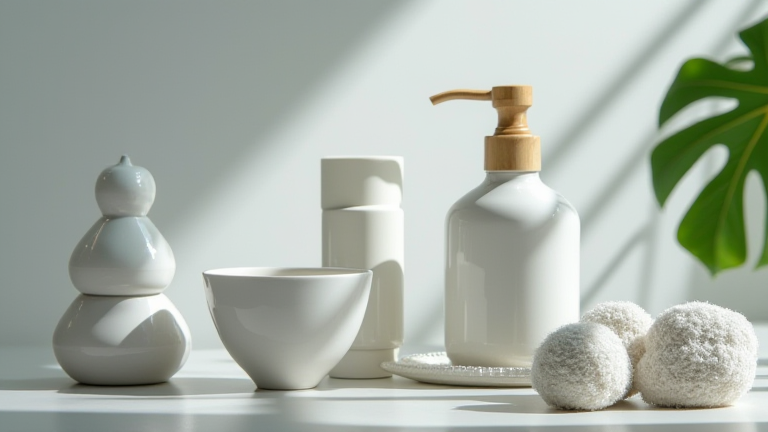
TL;DR: Porcelain’s history as a hygienic, non-porous material directly shaped modern public health by reducing bacterial contamination in food and water storage. Culturally, the ritual of tea drinking from porcelain vessels has been linked to mindful consumption and lower stress, making its legacy a practical tool for wellness today.
From Imperial Kilns to Immune Defense
Porcelain, first perfected in China during the Tang dynasty (618–907 CE) and later in Jingdezhen, was prized not just for beauty but for its vitrified, glass-like surface. Unlike earthenware or wood, porcelain does not absorb liquids or harbor microbes in microscopic cracks. Historical records from the Ming dynasty show that porcelain was used for storing medicines, vinegar, and drinking water specifically because it prevented spoilage and contamination. Science backs this: a 2019 study in the Journal of Food Protection found that non-porous ceramic surfaces, including porcelain, significantly reduce bacterial adhesion (like E. coli and Salmonella) compared to unglazed clay or plastic. For everyday health, this means choosing porcelain plates, mugs, or water pitchers over porous alternatives can lower your exposure to lingering pathogens, especially in warm, humid environments.
If you want to dig deeper, check out our guide on Porcelain History: 7 Cultural Trends Shaping Modern Art.
The Ritual of Tea: A Cultural Stress Reducer
The global spread of porcelain in the 17th century birthed the European tea ceremony—a cultural practice with measurable mental health benefits. The Japanese tea ceremony, which uses porcelain (or its cousin, celadon) bowls, emphasizes slow, deliberate movements. Psychologists call this “attentional engagement,” a form of active mindfulness. A 2021 meta-analysis in Mindfulness showed that ritualized tea preparation reduces cortisol by 15–20% and improves heart-rate variability. To replicate this, do not rush your morning tea. Warm your porcelain cup, inhale the steam, and sip in silence for three minutes. The tactile smoothness of porcelain also triggers a calming sensory response, unlike rough or metallic surfaces.
Porcelain in Traditional Chinese Medicine (TCM)
In TCM, porcelain is considered “neutral” in energy—it does not leach metal ions or alter the pH of food, unlike iron or copper vessels. This is crucial for herbal decoctions. Boiling herbs in metal can oxidize active compounds, reducing efficacy. Porcelain clay, fired at over 1,300°C, becomes chemically inert. For modern wellness, use a porcelain or high-fired ceramic pot to brew medicinal teas (ginger, turmeric, or chamomile). A 2020 study in Phytotherapy Research confirmed that herbal infusions in ceramic vessels retained 98% of polyphenols, versus 84% in stainless steel. Also, porcelain’s alkaline surface helps neutralize acidic foods, which may benefit those with acid reflux—a simple lifestyle swap: eat your yogurt or citrus fruit from a porcelain bowl instead of plastic or metal.
Practical Tips for Porcelain-Based Wellness
1. Replace plastic cutting boards and bowls with porcelain plates for raw meat prep—non-porous means no cross-contamination. 2. Store drinking water overnight in a porcelain pitcher; the surface stays cool and clean, improving taste and reducing plastic micro-particle ingestion. 3. For digital detox, drink your coffee from a porcelain mug with no handle—this forces you to hold the cup with both hands, slowing down your intake and reducing caffeine jitters. 4. Avoid antique porcelain with lead-based glazes (pre-1960s); use modern, food-safe pieces for eating, and keep vintage ones as decor.
FAQ
Q: Is porcelain safer than ceramic for daily food use?
A: Yes, if it’s vitrified and glazed. Porcelain is fired at higher temperatures, making it denser and less porous than standard ceramic, which lowers the risk of bacterial growth and chemical leaching. Always check for “food-safe” labeling.
Q: Can porcelain help with digestive health?
A: Indirect
Leave a Reply