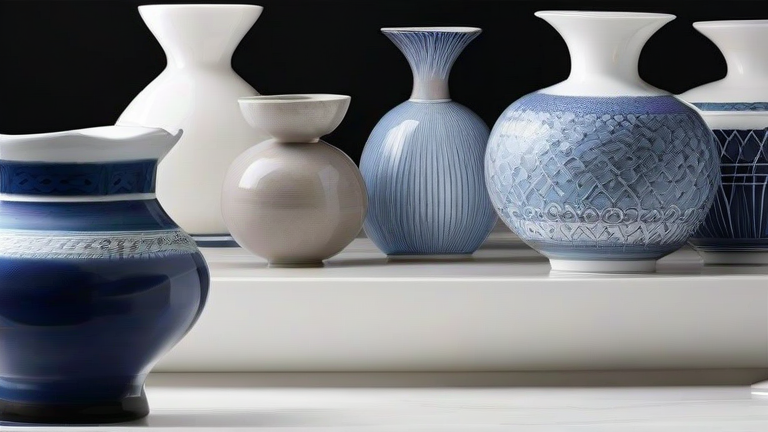
1. Porcelain’s Modern Renaissance: How Ancient Craft Shapes Today’s Trends
2. From Kilns to Catwalks
TL;DR: Porcelain is experiencing a major resurgence as luxury fashion and interior design sectors embrace its symbolic value of purity and durability. This trend is driven by a global shift toward artisanal craftsmanship and sustainable, long-lasting materials that resist fast-fashion cycles.
The Return of the White Gold
For centuries, porcelain was a symbol of imperial power, particularly from China, where it was known as “white gold.” Today, that historical weight is being repurposed for the modern consumer who values heritage and provenance. The market for high-end ceramic and porcelain goods has seen a significant uptick, with the global ceramic products market projected to reach over $700 billion by 2030, according to recent industry analyses. This growth is not merely about utility; it is about cultural capital. Consumers are increasingly willing to pay a premium for items that tell a story, linking the tactile coolness of the material to centuries of artistic evolution.
If you want to dig deeper, check out our guide on Porcelain History & Culture: A Beginner’s Guide to Porcelain.
Fashion designers are at the forefront of this revival. High-profile houses have moved beyond using porcelain as a mere accessory to integrating it into structural elements of garments and accessories. This “kiln-to-catwalk” pipeline demonstrates how industrial heritage informs avant-garde aesthetics. Designers are experimenting with translucent qualities and intricate glazing techniques that mimic natural phenomena, such as ice or marble, creating a dialogue between the organic and the manufactured. The result is a line of products that feels both timeless and radically contemporary.
Expert Insights on Craftsmanship and Value
Industry experts argue that the appeal of porcelain lies in its resistance to the disposability of modern life. “Porcelain is the antithesis of fast fashion,” notes Elena Rossi, a senior trend analyst at a leading luxury research firm. “It is a material that improves with age and requires specific care, which creates a deeper emotional connection between the user and the object. In an era of digital fatigue, the physical presence of a handmade porcelain piece provides a tangible anchor of authenticity.” This sentiment is echoed across the luxury goods sector, where provenance and the story of the maker are as valuable as the item itself.
Furthermore, the environmental implications of porcelain are being re-evaluated. While the firing process is energy-intensive, the longevity of the material offers a sustainable alternative to plastics and lower-grade ceramics that may crack or fade over time. Brands are now highlighting the “lifetime” aspect of their porcelain collections, appealing to eco-conscious consumers who prioritize durability and waste reduction.
Future Predictions
Looking ahead, the integration of technology with traditional porcelain crafting is expected to accelerate. 3D printing techniques are allowing artisans to create complex geometries that were previously impossible by hand, expanding the design vocabulary of the material. We predict a rise in “smart porcelain,” where sensors are embedded within the material for functional applications in home automation, while retaining the aesthetic beauty of the craft. Additionally, collaborations between heritage porcelain manufacturers and digital art creators will likely emerge, offering NFTs or digital twins of physical porcelain pieces, thereby bridging the gap between physical heritage and digital ownership. The modern renaissance of porcelain is not just a nostalgic trend; it is a sophisticated evolution of one of humanity’s oldest materials, poised to dominate the luxury landscape for decades to come.
FAQ
Q: Why is porcelain considered a luxury material in fashion?
A: Porcelain is valued for its rarity, difficulty of production, and symbolic association with purity and permanence, making it a status symbol that contrasts with disposable trends.
Q: How does sustainability influence the porcelain market?
A: Consumers prefer porcelain for its durability and non-toxic nature, viewing it as a long-term investment that reduces waste compared to shorter-lived synthetic materials.
Q: What role does technology play in modern porcelain design?
A: Advanced manufacturing techniques like 3D printing allow for complex, custom designs, while digital tools help artisans preserve traditional methods while innovating in form
Leave a Reply