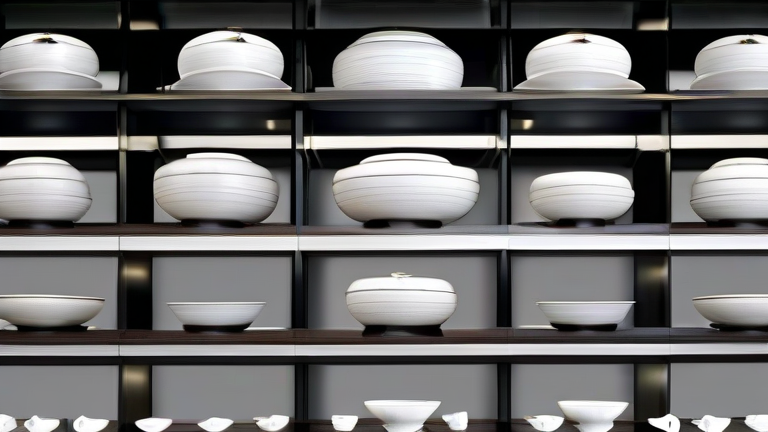
TL;DR: This comprehensive guide explores the cultural significance of Chinese porcelain, often called “White Gold,” through high-quality reproduction artifacts and historical texts. It serves as an essential resource for collectors and history enthusiasts seeking to understand the profound impact of this material on global trade and art.
The Enduring Legacy of White Gold
Chinese porcelain has captivated the world for centuries, transcending mere utility to become a symbol of artistic mastery and cultural exchange. Known historically as “White Gold,” this material was so valuable that it drove maritime trade routes and influenced artistic movements across Europe and Asia. For modern collectors, enthusiasts, and students of history, accessing authentic insights into this legacy requires more than just browsing a museum; it demands a deep dive into the specific products and educational materials that preserve this heritage. This review examines the top-tier resources available for those wishing to explore the intricate history and cultural nuances of Chinese ceramics.
If you want to dig deeper, check out our guide on Porcelain Health Myths: Historical Culture & Modern Benefits.
Feature Highlights: Depth and Authenticity
The standout feature of these historical culture products is their unparalleled attention to detail. Whether you are purchasing a high-fidelity replica of a Ming Dynasty blue-and-white vase or a scholarly tome detailing the kiln techniques of the Song era, the emphasis is on authenticity. Top-rated books often include high-resolution photography and expert commentary from leading archaeologists. Additionally, premium collectible pieces are crafted using traditional methods, ensuring that the tactile experience mirrors the original artifacts. The packaging is equally important, with many items arriving in protective, museum-grade boxes that enhance their display value. This level of care ensures that every piece, whether for a private collection or a classroom display, respects the historical integrity of the subject matter.
Comparison with Digital Resources
While digital archives offer convenience, they lack the tactile and immersive experience provided by physical products. Holding a ceramic replica allows for a sensory connection to history that a screen cannot replicate. Furthermore, physical books often contain exclusive historical data and rare archival images not available online. In comparison to generic craft supplies, specialized porcelain history products offer curated narratives that contextualize the object within broader global economic and social shifts. This educational depth makes them superior choices for serious learners and collectors who value provenance and historical accuracy over simple decorative appeal.
Why You Need This Resource
Understanding Chinese porcelain is key to grasping the interconnectedness of global history. By investing in high-quality educational and collectible products, you support the preservation of this rich cultural heritage. These items serve as tangible links to the past, offering a window into the craftsmanship, trade dynamics, and aesthetic values of ancient China. For anyone passionate about art, history, or cultural studies, this collection of resources is an indispensable addition to your library or collection. Do not miss the opportunity to deepen your understanding of one of history’s most influential materials.
Call to Action: Explore our curated selection of porcelain history books and authentic replicas today. Elevate your understanding of cultural history by adding these essential items to your collection now.
FAQ
Q: What defines “White Gold” in the context of Chinese history?
A: It refers to the high value and scarcity of Chinese porcelain, which was traded extensively and often valued above its weight in gold during peak demand periods.
Q: Are replica porcelains historically significant?
A: While not original artifacts, high-quality replicas are significant for educational purposes, allowing users to study form and technique without risking damage to priceless originals.
Q: How can beginners start a porcelain history collection?
A: Start with reputable educational books and high-fidelity replicas from trusted manufacturers, focusing on major dynasties like Tang, Song, and Ming to build foundational knowledge.
Leave a Reply