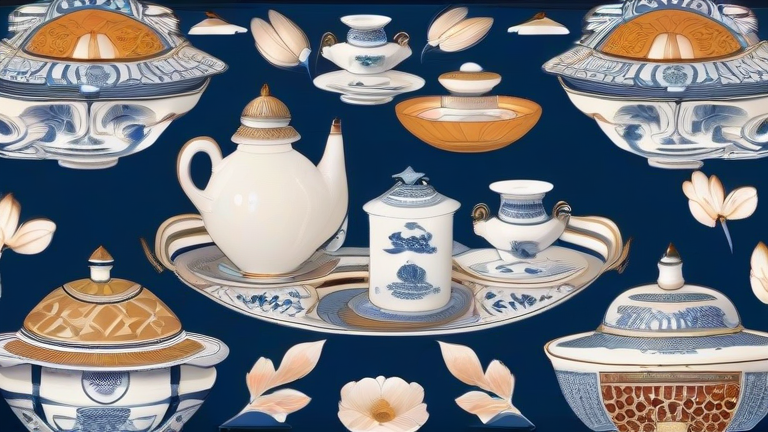
TL;DR: Ancient porcelain craftsmanship fostered mindfulness and material appreciation, which modern science links to reduced stress and improved mental well-being. Integrating tactile, high-quality ceramic objects into daily routines can enhance sensory grounding and promote a healthier, more mindful lifestyle.
The Alchemy of Material and Mind
Porcelain is more than a material; it is a cultural artifact that bridges ancient artistry with modern wellness. Originating in China over a thousand years ago, its creation required precise control of temperature, mineral composition, and firing techniques. This historical context is crucial because the process of making and using porcelain was never purely utilitarian. It was ritualistic. For centuries, the production of porcelain was associated with purity, refinement, and harmony with nature. In the modern health landscape, we can draw profound parallels between these ancient values and contemporary scientific findings on environmental psychology and sensory engagement.
If you want to dig deeper, check out our guide on Porcelain History & Culture: A Deep Dive into Global Lifesty.
Sensory Grounding and Stress Reduction
Modern health advice often emphasizes mindfulness, yet we rarely consider the role of physical objects in this practice. Science suggests that tactile interaction with smooth, cool materials like porcelain can activate the parasympathetic nervous system, lowering heart rate and cortisol levels. When you hold a handcrafted teacup, you are engaging in a multisensory experience. The weight, the temperature, and the smoothness provide a focal point for attention, pulling the mind away from anxious loops and into the present moment. This is not merely philosophical; it is a practical tool for stress management. By choosing high-quality ceramic ware over disposable plastic, you create a pause in your routine. This pause allows for a moment of sensory awareness, which is a cornerstone of mental wellness.
Hygiene and the Science of Glazing
From a physiological standpoint, porcelain has historically been a superior choice for health due to its non-porous nature. Unlike unglazed earthenware, which can harbor bacteria, a well-fired porcelain surface is vitreous and impermeable. This characteristic is backed by materials science, which confirms that a proper glaze creates a glass-like surface that is easy to clean and resistant to microbial growth. In today’s context, where food safety and hygiene are paramount, choosing lead-free, high-fired porcelain for daily use ensures that your utensils do not leach harmful chemicals into your food or beverages. This aligns with the broader wellness trend of reducing toxic load. By selecting artisanal, certified-safe ceramics, you are making a proactive health decision that protects your long-term well-being.
Cultural Connection and Emotional Well-being
Wellness is also deeply emotional and social. The history of porcelain is tied to trade, diplomacy, and cultural exchange. Engaging with these objects can foster a sense of connection to the past and to global cultures. Participating in tea ceremonies, for instance, which are deeply rooted in porcelain culture, has been shown to improve social bonding and reduce feelings of isolation. The ritual of preparing and sharing tea in beautiful vessels encourages slow living, a concept that is increasingly recognized by health experts as a antidote to the fast-paced, high-stress modern environment. It encourages patience, respect, and presence. By integrating these cultural practices into your life, you are not just consuming a product; you are engaging in a holistic wellness activity that nurtures both body and mind.
Practical Lifestyle Tips
To incorporate these insights, start by replacing one daily habit with a mindful ritual. Perhaps you switch to a specific porcelain cup for your morning coffee, dedicating five minutes to simply observing the color and warmth of the liquid. Invest in pieces that hold personal meaning or cultural significance. Finally, maintain your ceramics properly, as caring for these objects can become a meditative act in itself. The history of porcelain is a testament to the human desire for beauty and purity. By embracing this legacy, you tap into a source of calm and clarity that is both ancient and urgently needed in our modern lives. Let the material’s history inspire a new era of personal health and cultural appreciation.
FAQ
Q: Is all porcelain safe for daily health use?
A: Not necessarily. You should
Leave a Reply