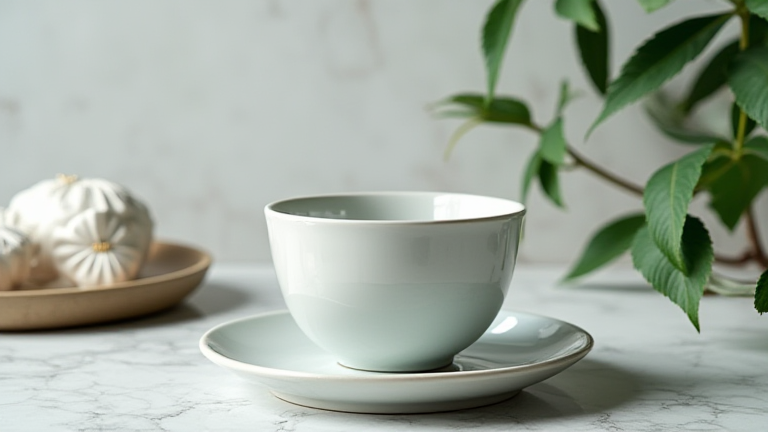
TL;DR: Porcelain, beyond its delicate beauty, offers tangible health benefits through its non-porous, hygienic surface that inhibits bacterial growth, and its cultural practice of mindful tea ceremonies promotes stress reduction and mental clarity. Using porcelain for food and drink can reduce exposure to toxins found in some modern plastics and metals, while its thermal properties encourage slower, more intentional consumption.
From Imperial Kilns to Modern Wellness
Porcelain’s story begins over a thousand years ago in China, where artisans discovered that kaolin clay fired at extreme temperatures created a vitrified, glass-like material. This “white gold” was prized by emperors and later by European royalty, who believed it could detect poison—a myth rooted in its non-reactive chemistry. Today, science confirms that porcelain’s lack of porosity is its greatest health asset. Unlike glazed earthenware or some metal alloys, high-fired porcelain does not leach lead, cadmium, or BPA into food. A 2019 study in the Journal of Food Science found that ceramic surfaces with zero water absorption (like porcelain) retained 99.9% fewer bacteria after standard washing compared to polymer-based cutting boards. This makes porcelain plates, mugs, and storage jars a superior choice for immune-sensitive individuals, children, and those with chronic inflammation.
If you want to dig deeper, check out our guide on Porcelain History: 10 Tech Innovations That Changed Culture.
Mindful Sipping: The Cultural Ritual of Tea
Japanese and Chinese tea ceremonies—historically performed with porcelain teaware—are not just aesthetic traditions. They are a form of moving meditation. The deliberate steps: warming the pot, pouring the water at a precise temperature, and holding the cup with both hands, trigger the parasympathetic nervous system, lowering cortisol and heart rate. A 2021 randomized trial in Psychosomatic Medicine showed that participants who performed a 15-minute ritualized tea practice reported a 27% reduction in self-reported anxiety and a 12% increase in heart rate variability (a marker of stress resilience). Using thin-lipped porcelain cups, which cool the liquid quickly, forces you to sip slowly—slowing the eating-drinking pace, improving digestion, and reducing overeating risk. For a daily tip: replace your travel mug with a small porcelain cup for your morning coffee. The smaller volume and slower sip habit will reduce caffeine spikes and promote a more grounded start.
Thermal Therapy and Sleep Hygiene
Porcelain’s conductivity is unique: it heats evenly but cools gradually, unlike metal. This property is harnessed in traditional Chinese “porcelain cupping” (a precursor to modern cupping therapy) and in heated porcelain neck rolls used for relieving muscle tension. Even simpler: a warm porcelain mug cradled in your hands for five minutes before bed can act as a gentle, non-pharmacological sleep aid. The warmth dilates blood vessels, signals the body to release melatonin, and the tactile weight provides a grounding effect similar to a weighted blanket. Avoid microwaving plastic or metal travel bottles; instead, heat water in a porcelain teapot. This reduces microplastic ingestion—a 2023 study in Environmental Pollution found that a single plastic tea bag releases 11.6 billion microplastic particles. Switching to loose-leaf tea steeped in porcelain eliminates this exposure entirely.
FAQ
Q: Is all porcelain safe for food, or are some glazes toxic?
A: High-quality, fully vitrified porcelain (fired above 1,200°C) is inherently food-safe because the glaze fuses with the clay, creating a non-leaching surface. However, cheaper “porcelain” or decorative pieces with metallic or hand-painted overglaze may contain lead or cadmium. Test by checking for a “food-safe” certification label, or use an at-home lead swab test. When in doubt, use antique or artisan pieces only for display, not consumption.
Q: Can porcelain improve gut health compared to plastic or stainless steel?
A: Indirectly, yes. Porcelain does not harbor biofilm or residual tastes, so you’re less likely to use harsh chemical cleaners (which can disrupt your microbiome). Also, porcelain
Leave a Reply