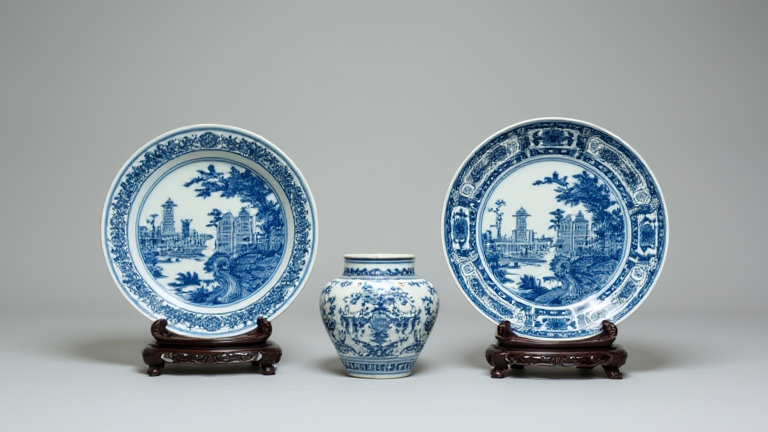
TL;DR: Porcelain is a high-firing ceramic material originating in China, valued for its translucency, strength, and historical significance in global trade and art. Beginners can engage with porcelain by studying its dynastic evolution, appreciating its cultural symbolism, and collecting authentic pieces from major traditions like Chinese, Japanese, and European.
Understanding the Origins of Porcelain
Start your journey by understanding that true porcelain, or “china,” was a closely guarded secret in China for nearly two thousand years. It was not merely a vessel for tea or food but a symbol of imperial power and refinement. To grasp the history, focus on the Song and Ming dynasties, where techniques for creating pure white, translucent bodies were perfected. Read historical texts or visit museum exhibits dedicated to the Yuan and Ming periods to see how blue-and-white motifs evolved from Islamic influences to distinct Chinese aesthetics. This foundational knowledge helps you distinguish between true porcelain and lower-grade ceramics when browsing collections.
If you want to dig deeper, check out our guide on Porcelain History & Culture: How Ancient Craft Boosts Modern.
Exploring Cultural Significance
Next, delve into the cultural weight of porcelain across different societies. In China, porcelain often carries philosophical meanings; for example, the color white symbolizes purity and mourning, while red represents joy and good fortune. In Europe, porcelain became a status symbol during the 18th century, leading to the establishment of factories in Meissen, Sèvres, and Chelsea. Study the “Porcelain Wars” of the 1700s, where European scientists raced to replicate the Chinese formula. Understanding these cross-cultural exchanges reveals how porcelain served as a medium for diplomatic gifts, religious offerings, and domestic luxury, shaping global trade routes and artistic trends.
Identifying Authenticity and Quality
When examining physical pieces, learn to identify markers of authenticity. Hold the item up to light; true porcelain should be slightly translucent at the edges. Listen to the sound; a sharp, ringing tone indicates a vitrified body, while a dull thud suggests earthenware or stoneware. Check the base for factory marks, which are crucial for dating and valuing pieces. For Chinese porcelain, look for reign marks that indicate the emperor’s era. For European pieces, examine the glaze for crazing patterns and the weight of the handle. Use reputable guides to decode these marks, as forgery is common in the market. This step ensures you are engaging with genuine historical artifacts rather than modern reproductions.
Preserving and Displaying Collections
If you choose to collect, proper care is essential to preserve the integrity of the pieces. Avoid sudden temperature changes, as thermal shock can crack delicate porcelain. Handle items by their body, not the handles, to prevent breakage. Display pieces in low-humidity environments away from direct sunlight, which can fade painted decorations over time. Use soft, dry cloths for cleaning, and avoid abrasive materials that could scratch the glaze. Consider using museum-grade display cases with UV-filtering glass to protect sensitive items. Regular inspection for hairline cracks or chip damage will allow for timely conservation efforts, ensuring your collection remains a testament to centuries of craftsmanship.
FAQ
Q: What is the main difference between porcelain and stoneware?
A: Porcelain is fired at higher temperatures, making it harder, more translucent, and less porous than stoneware, which retains more earthy tones and opacity.
Q: How can I tell if a piece of porcelain is antique?
A: Look for wear patterns, specific historical marks on the base, and glaze crazing; however, always consult a certified appraiser for verification and valuation.
Q: Why is porcelain considered culturally significant in diplomacy?
A: Historically, porcelain was a high-value trade good and a prestigious gift, used by emperors and monarchs to display wealth, cultural sophistication, and diplomatic goodwill.
Leave a Reply