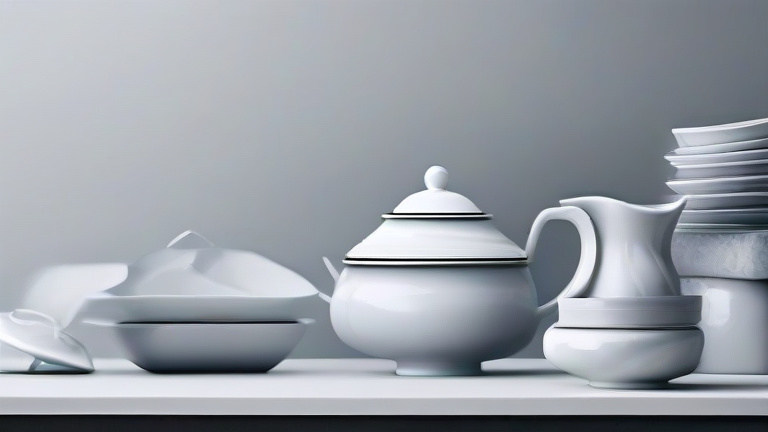
Porcelain History & Culture: A Business Guide
TL;DR: The global porcelain market is driven by a resurgence of interest in cultural heritage and sustainable artisanal practices, creating premium opportunities for brands that emphasize provenance and craftsmanship. Businesses succeed by blending historical authenticity with modern design, leveraging storytelling to justify higher price points in a competitive luxury goods sector.
Market Analysis
The contemporary porcelain industry has evolved beyond mere tableware into a significant segment of the luxury lifestyle market. Current trends indicate a shift towards “slow living,” where consumers prioritize durability, aesthetic value, and cultural significance over mass-produced alternatives. The market is segmented into three primary tiers: high-end collectible pieces, mid-range designer home goods, and entry-level decorative items. Notably, the Asian market remains the dominant producer, with China, Japan, and Korea holding substantial shares due to centuries of technological refinement. However, Western markets are seeing a surge in demand for locally produced, small-batch porcelain that tells a specific regional story. This shift allows brands to differentiate themselves through narrative rather than just utility. Furthermore, sustainability is a critical factor; consumers are increasingly scrutinizing the environmental impact of kiln firing and material sourcing. Companies that adopt eco-friendly glazes and energy-efficient production methods are gaining a competitive edge in both B2B and B2C channels.
If you want to dig deeper, check out our guide on Porcelain History & Culture: The Complete Guide.
Strategy Insights
Successful porcelain businesses must master the art of storytelling. The history of porcelain is rich with myths, trade routes, and technological breakthroughs, providing a deep well of content for marketing strategies. Brands should leverage this by creating educational content that connects their products to specific historical eras, such as the Ming Dynasty or the Meiji period. This approach not only educates the customer but also justifies premium pricing. Additionally, strategic partnerships with museums, galleries, and cultural institutions can enhance brand credibility. Collaborating with contemporary artists to reinterpret historical forms can attract younger demographics who value innovation rooted in tradition. Digital strategy is also crucial; high-quality virtual tours of production facilities and transparent supply chain disclosures can build trust. Limited edition releases tied to cultural anniversaries can create urgency and exclusivity, driving higher margins and brand loyalty among collectors.
Case Studies
One notable example is the revitalization of a historic Japanese kiln town that partnered with international designers. By maintaining traditional firing techniques while introducing modern, minimalist shapes, they captured the global market without sacrificing authenticity. Their revenue grew by 40% in two years, largely driven by social media campaigns highlighting the artisan’s journey. Another case involves a European brand that focused exclusively on the historical trade routes of the Silk Road. They created a collection inspired by the patterns found in ancient ceramics along these routes. By including detailed historical context with each purchase, they positioned their brand as a cultural curator rather than just a retailer. This strategy resulted in a 25% increase in average order value, as customers were willing to pay more for the educational component attached to their purchase. These examples illustrate that integrating deep cultural knowledge into business operations can create a unique value proposition that competitors find difficult to replicate.
FAQ
Q: How can small businesses compete with large porcelain manufacturers?
A: Focus on niche markets and artisanal storytelling. Large manufacturers rely on volume, but small businesses can win on exclusivity, customization, and the personal connection provided by direct-to-consumer sales and detailed provenance narratives.
Q: What is the most profitable segment of the porcelain market?
A: The luxury and collectible segment is the most profitable due to high margins and low competition. Pieces with significant historical provenance or created by renowned artists command the highest prices, often appreciating in value over time.
Q: How important is sustainability in porcelain production?
A: It is increasingly critical. Modern consumers are highly aware of environmental issues, and brands that demonstrate sustainable practices, such as using recycled materials or renewable energy in kilns, are better positioned to attract eco-conscious buyers and secure partnerships with green-focused retailers.
Leave a Reply