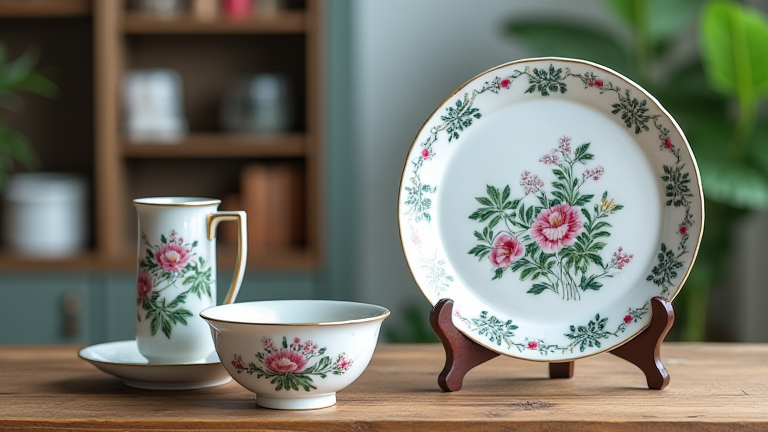
TL;DR: Porcelain represents a high-value cultural asset where historical provenance and artisanal authenticity drive premium market positioning. Leaders must leverage storytelling and heritage branding to differentiate products in a saturated global luxury goods sector.
The Economic Weight of White Gold
Porcelain, often referred to as “white gold,” has transcended its origins as a simple tableware material to become a cornerstone of the global luxury and cultural heritage markets. For business leaders, understanding the history and cultural significance of porcelain is not merely an academic exercise; it is a strategic imperative. The market for porcelain art, antiques, and high-end ceramics is experiencing robust growth, driven by a consumer base that values provenance, craftsmanship, and cultural narrative over mass-produced utility.
Market analysis indicates that the global ceramics market is expanding, with a significant portion of value driven by collectible and decorative pieces. In Asia, particularly China and Japan, porcelain holds deep cultural weight, symbolizing purity, refinement, and status. In the West, European porcelain, from Meissen to Sèvres, commands high prices due to its intricate hand-painted designs and historical associations with royalty. This bifurcation creates a unique opportunity for businesses to target specific cultural niches. Consumers in emerging economies are increasingly purchasing Western antiques as status symbols, while Western collectors seek authentic Asian pieces for their spiritual and aesthetic value.
Strategy insights suggest that success in this sector requires a dual approach: rigorous authentication and compelling storytelling. Unlike many other luxury goods, porcelain is fragile and susceptible to damage, making logistics and insurance critical components of the supply chain. Furthermore, the rise of digital platforms has democratized access to high-end ceramics, allowing smaller galleries and auction houses to reach a global audience. However, this also increases the risk of counterfeits. Leaders must invest in advanced authentication technologies, such as thermoluminescence dating, to protect brand integrity.
Case studies illustrate the power of heritage branding. The Meissen brand, one of the oldest porcelain manufacturers in Europe, has maintained its premium status for over three centuries by emphasizing its state-owned exclusivity and strict quality controls. They do not compete on price but on legacy. Similarly, the Japanese brand Nishikigawa, known for its vibrant Iznik-style designs, has successfully exported its cultural identity to Western markets by positioning its products as artistic expressions rather than just functional items. These examples show that when a company aligns its product with a rich cultural history, it can command significant price premiums.
For business leaders, the key takeaway is that porcelain is not just a product; it is a cultural artifact. The strategy must focus on education. Consumers need to understand the historical context, the firing techniques, and the artistic lineage of the pieces they are buying. This educational component builds trust and justifies the high price points. Additionally, partnerships with museums, historians, and cultural institutions can enhance credibility. By hosting exhibitions, publishing research, and collaborating with artists, companies can embed themselves in the cultural narrative.
Sustainability is another critical factor. Modern consumers are increasingly concerned with the environmental impact of production. Companies that highlight traditional, low-impact firing methods or use recycled materials can appeal to this segment. The narrative of sustainability combined with heritage creates a powerful brand story that resonates with modern values.
In conclusion, the porcelain market offers substantial opportunities for those who respect its history and culture. By focusing on authenticity, storytelling, and strategic partnerships, business leaders can navigate this complex market and achieve sustainable growth. The key is to treat every piece of porcelain as a unique cultural asset, not just a commodity. This approach ensures long-term brand loyalty and market leadership in a competitive landscape.
FAQ
Q: How can businesses verify the authenticity of antique porcelain?
A: Use certified experts and scientific testing methods like thermoluminescence dating, and maintain detailed provenance records for each piece.
If you want to dig deeper, check out our guide on Porcelain History: 5 Cultural Secrets Behind the White Gold.
Q: Which regions offer the highest potential for porcelain sales?
A: North America, Western Europe, and East Asia are the primary markets, with high demand for both Western European antiques and Asian traditional ceramics.
Q: What is the role of digital marketing in selling porcelain?
A: Digital platforms allow for high-resolution visualization of details, virtual exhibitions, and
Leave a Reply