TL;DR: Engaging with porcelain history and culture promotes mental well-being through aesthetic appreciation and stress reduction. Handling and studying these artifacts enhances mindfulness, fine motor skills, and cognitive engagement, offering tangible health benefits beyond visual pleasure.
The Healing Power of Aesthetic Appreciation
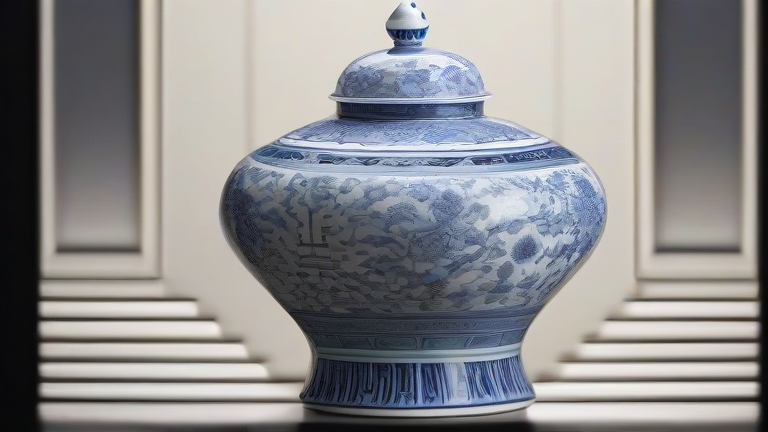
Porcelain, known as “white gold,” has a rich history spanning over a thousand years from China to Europe. Modern wellness science suggests that interacting with beautiful, intricate objects can lower cortisol levels. When you study the subtle glazes or historical provenance of a Ming dynasty vase, your brain enters a state of flow. This focused attention acts as a form of active meditation, similar to mindfulness practices that reduce anxiety and improve emotional regulation. The cultural narrative behind each piece connects you to a broader human heritage, fostering a sense of belonging and purpose, which are critical components of psychological health.
If you want to dig deeper, check out our guide on Porcelain History: Tech Innovations Shaping Ceramic Culture.
Cognitive and Motor Benefits of Engagement
For older adults, handling lightweight porcelain items can serve as gentle physical therapy. The delicate nature of the material requires precise, controlled movements, which helps maintain hand-eye coordination and fine motor skills. This is particularly beneficial for preventing age-related dexterity decline. Furthermore, the intellectual challenge of learning about kiln temperatures, clay compositions, and artistic styles stimulates neuroplasticity. Engaging with porcelain culture keeps the mind sharp and engaged, potentially delaying cognitive decline. It is a low-impact hobby that combines physical delicacy with mental stimulation, making it an ideal activity for holistic wellness routines.
Creating a Calming Environment
Incorporating porcelain into your living space can enhance your home’s therapeutic qualities. The smooth, cool touch of ceramic and its often serene, minimalist designs contribute to a calming atmosphere. Feng Shui principles, which align with environmental psychology, suggest that displaying carefully curated porcelain can create a sense of order and peace. This environmental stability supports better sleep quality and reduced daytime stress. Additionally, the act of caring for these items, such as gentle cleaning or rotating displays, provides a routine that grounds you in the present moment. This ritualistic aspect transforms a simple household task into a mindful practice, reinforcing your connection to both the object and your own well-being. By prioritizing these cultural artifacts, you invest in a lifestyle that values beauty, history, and mental clarity.
FAQ
Q: Is it safe to handle antique porcelain for health reasons?
A: Yes, but always wash your hands before and after to avoid transferring oils or bacteria that could damage the glaze or affect your hygiene. Use clean, dry hands to prevent accidental slips and maintain the item’s integrity while enjoying the tactile experience.
Q: Can looking at porcelain help with anxiety disorders?
A: While it is not a replacement for medical treatment, aesthetic appreciation and focused observation can serve as a complementary therapy. The detailed intricacy of porcelain art encourages deep focus, which can interrupt cycles of anxious rumination and promote a state of calm mental clarity.
Q: How does learning about porcelain history improve brain health?
A: Studying historical context, artistic techniques, and cultural significance engages multiple brain regions, including memory and language centers. This continuous learning stimulates neural pathways, helping to maintain cognitive flexibility and delaying age-related mental decline through consistent intellectual engagement.
Leave a Reply