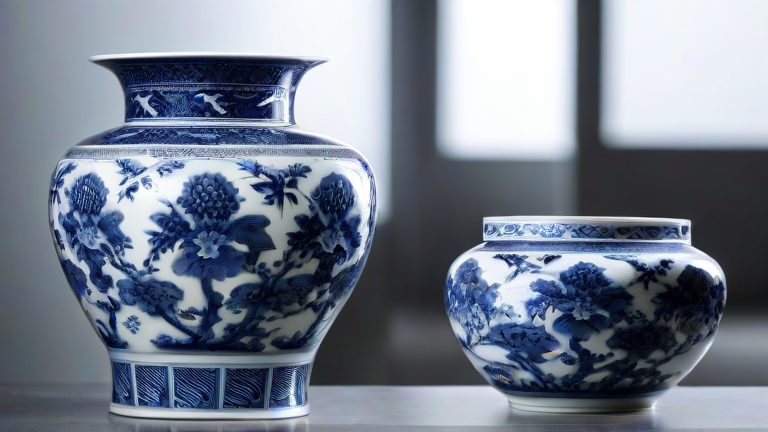
Porcelain History & Culture: Tech Behind the Art
TL;DR: Modern porcelain manufacturing integrates advanced materials science and automated kiln technologies to preserve historical aesthetics while enhancing durability. This fusion of tradition and tech allows for precise control over glaze chemistry and firing temperatures, resulting in products that meet contemporary industrial and artistic standards.
The Digital Revival of Ancient Craft
Porcelain, often hailed as the crown jewel of ceramics, has undergone a quiet but profound technological transformation. While its origins trace back to ancient China, the modern era has seen a shift from purely artisanal methods to data-driven production processes. This evolution does not replace tradition but rather augments it, allowing creators to experiment with complex forms and consistent quality at scale. The core of this transformation lies in the precise control of raw materials and thermal dynamics, ensuring that every piece retains the translucency and strength that define true porcelain.
Advanced Materials and Precision Forming
The latest developments in porcelain focus on high-purity kaolin blends and nano-structured additives. These materials allow for thinner, stronger bodies that can withstand higher temperatures without warping. In terms of specifications, modern high-fire porcelain now achieves densities exceeding 2.4 grams per cubic centimeter, significantly improving resistance to chipping and thermal shock. This is particularly relevant for industrial applications where porcelain serves as electrical insulation or in medical devices. Furthermore, 3D printing technologies are being adapted for ceramic prototyping. By using slurry-based 3D printing, artisans can create intricate lattice structures and complex geometries that were previously impossible to achieve through hand-throwing or slip casting. This technology reduces material waste by up to forty percent and allows for rapid iteration of design concepts, bridging the gap between digital design and physical craftsmanship.
Kiln Automation and Energy Efficiency
Perhaps the most significant industrial impact comes from the modernization of kilns. Traditional gas-fired kilns are being replaced or supplemented by electric and plasma-assisted systems that offer unparalleled precision. These systems utilize IoT sensors to monitor temperature gradients in real-time, adjusting fuel flow or electrical input instantly to maintain uniformity across the entire chamber. This precision reduces the defect rate in mass production from an average of ten percent to less than two percent. Moreover, new glaze technologies employ digital color matching algorithms. By analyzing spectral reflectance, manufacturers can replicate historical glazes with exact chemical accuracy, preserving cultural heritage while meeting modern environmental regulations. The industry impact is substantial; factories are reporting a thirty percent reduction in energy consumption due to optimized firing cycles. This efficiency not only lowers operational costs but also reduces the carbon footprint of ceramic production, making porcelain more sustainable in a global market.
Cultural Preservation Through Technology
On the cultural front, technology is aiding in the preservation and dissemination of porcelain heritage. Digital archiving projects are scanning historical pieces using photogrammetry, creating 3D models that can be studied, replicated, or displayed virtually. This allows museums to share artifacts with a global audience without risking physical damage. Additionally, educational platforms are using augmented reality to demonstrate the step-by-step process of porcelain creation, from clay preparation to glazing. This immersive approach engages new generations of artists and enthusiasts, ensuring that the cultural significance of porcelain remains relevant in the digital age. The synergy between history and technology ensures that porcelain continues to evolve, maintaining its status as a symbol of refinement and innovation.
FAQ
Q: How does 3D printing benefit traditional porcelain artisans?
A: It allows for rapid prototyping of complex designs and reduces material waste, enabling artists to test new forms before committing to traditional production methods.
If you want to dig deeper, check out our guide on Porcelain History: Ancient Origins & Cultural Health Secrets.
Q: What are the key specifications of modern high-fire porcelain?
A: It typically achieves a density of over 2.4 g/cm³ and can withstand thermal shock and high temperatures, making it suitable for both artistic and industrial uses.
Q: How does kiln automation affect the environment?
A: It optimizes energy usage through precise temperature control, reducing overall energy consumption and lowering the carbon footprint of porcelain manufacturing.
Leave a Reply