Porcelain History: How This Elegant Material Shapes Modern Lifestyle
TL;DR: Porcelain has evolved from a rare Chinese luxury to a ubiquitous symbol of refined taste, influencing modern dining, interior design, and personal aesthetics. Its enduring appeal lies in the perfect balance of durability, purity, and artistic expression, allowing it to seamlessly integrate into contemporary lifestyles.
The Alchemy of Earth and Fire
Porcelain is not merely a material; it is a story of human ingenuity and cultural exchange spanning over a thousand years. Originating in ancient China during the Tang Dynasty, this white, translucent ceramic was long considered a miraculous substance, a “porcelain” derived from the Italian word porcellana, meaning “little pig,” due to the resemblance of the unglazed body to the skin of a boar. For centuries, it was guarded as a closely held secret, exported along the Silk Road, and coveted by European monarchs who spent vast fortunes attempting to replicate its ethereal beauty. The eventual discovery of the manufacturing process in Germany in the early 18th century democratized access, transforming porcelain from a royal indulgence into a staple of the middle-class household.
If you want to dig deeper, check out our guide on Porcelain History & Culture: The Complete Beginner’s Guide.
Dining as a Ritual
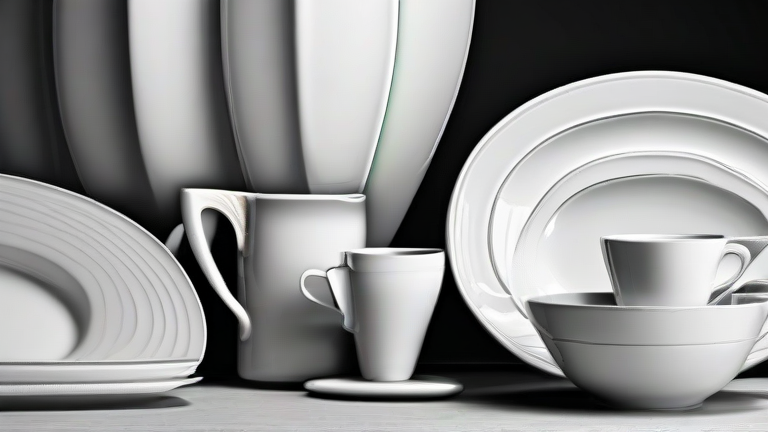
In the realm of modern food culture, porcelain plays a pivotal role in elevating the act of eating into an art form. Unlike plastic or lower-grade ceramics, fine porcelain plates and bowls enhance the presentation of food, reflecting light in a way that highlights color and texture. This material connection influences how we perceive taste and satisfaction. When we choose a set of hand-painted bone china for a special dinner, we are engaging in a ritual that honors tradition while embracing modern elegance. The smooth, non-porous surface of porcelain is also practical, making it easier to clean and less likely to retain odors, which aligns with the contemporary desire for hygienic and efficient kitchenware. Moreover, the trend towards minimalist aesthetics in interior design often features neutral-toned porcelain vases and tableware, creating a sense of calm and order in busy urban homes.
Cultural Identity and Personal Growth
Beyond its functional use, porcelain serves as a mirror of cultural identity and personal growth. Collecting antique or contemporary porcelain art allows individuals to connect with global history, fostering a sense of appreciation for craftsmanship and heritage. For many, the process of selecting the right piece for a home or office is a form of self-expression, reflecting one’s values regarding beauty, sustainability, and heritage. In a world dominated by fast fashion and disposable goods, the longevity of a well-made porcelain object offers a counter-narrative of quality over quantity. It reminds us that true luxury is not about excess, but about the enduring value of objects that bring joy and beauty into our daily lives. By embracing porcelain, we participate in a global conversation about art, history, and the simple pleasures of well-crafted living.
FAQ
Q: Why is porcelain considered more durable than other ceramics?
A: Porcelain is fired at extremely high temperatures, making it denser, less porous, and stronger than earthenware or stoneware, which results in greater resistance to chipping and thermal shock.
Q: How does porcelain influence modern interior design trends?
A: Its clean lines and versatile colors allow it to fit seamlessly into minimalist, modern, and classic styles, often serving as focal points that add texture and elegance without overwhelming a space.
Q: Is there a significant difference between bone china and standard porcelain?
A: Yes, bone china contains bone ash, making it lighter, more translucent, and stronger than standard porcelain, which is why it is often preferred for high-end dining sets and collectibles.
Leave a Reply