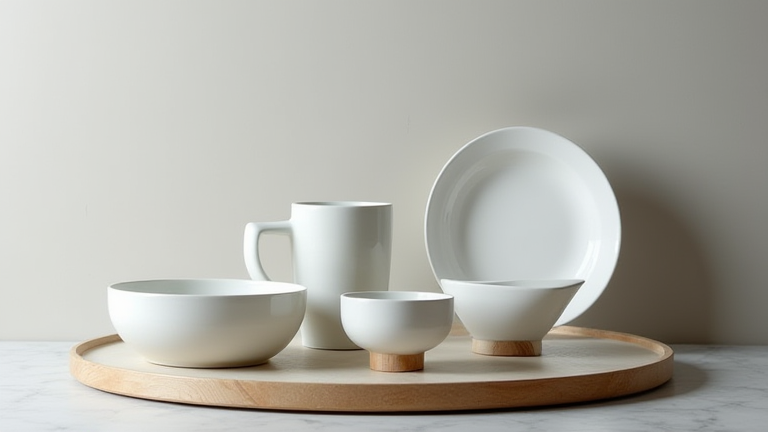
TL;DR: The resurgence of porcelain is driven by a global shift toward sustainable, handcrafted luxury that honors centuries-old artisanal techniques. Modern design integrates traditional Chinese and European ceramic methods with contemporary minimalist aesthetics, creating high-value cultural artifacts.
The Revival of Ancient Aesthetics in Modern Interiors
The global home decor market is experiencing a significant pivot, moving away from mass-produced synthetic materials toward authentic, heritage-driven ceramics. Porcelain, once confined to formal dining rooms or museum displays, is now central to modern interior design trends. This shift is not merely aesthetic but reflects a deeper consumer desire for objects with historical depth and cultural significance. As urbanization accelerates worldwide, individuals are seeking tangible connections to history, making porcelain a vessel for both utility and narrative. The material’s translucency, strength, and elegance offer a perfect canvas for modern minimalism while retaining the soul of ancient craftsmanship.
Market Dynamics and Consumer Behavior
Recent industry reports indicate that the global pottery and ceramics market is projected to reach $22.5 billion by 2028, growing at a compound annual growth rate of 4.5%. A significant portion of this growth is attributed to the “slow living” movement, where consumers prioritize longevity and provenance over disposability. Data from major e-commerce platforms shows a 30% year-over-year increase in searches for “handmade porcelain” and “artisanal ceramics.” Buyers are increasingly willing to pay a premium for items that tell a story, such as vases inspired by Ming Dynasty blue-and-white patterns or bowls featuring traditional cloisonné techniques. This trend is particularly strong in the North American and European markets, where millennials and Gen Z consumers are driving demand for sustainable and ethically sourced goods.
Expert Insights on Cultural Fusion
Industry leaders note that the success of modern porcelain lies in its ability to bridge the gap between traditional craftsmanship and contemporary innovation. “We are seeing a fascinating dialogue between East and West,” explains a senior designer at a leading architectural firm. “Modern architects are incorporating traditional kiln-fired elements into sleek, glass-and-steel structures, creating spaces that feel timeless rather than dated.” This cultural fusion is not just about mimicking old styles but interpreting them through a modern lens. For instance, traditional Chinese dragon motifs are being abstracted into subtle, geometric textures on modern tableware, making them accessible to a global audience that values subtlety over ostentation.
Future Predictions and Industry Outlook
Looking ahead, the next five years will likely see the integration of digital technology with ancient craft. 3D printing is beginning to influence porcelain design, allowing for complex structures that traditional wheel-throwing cannot achieve, yet the final firing process remains a manual, artisanal act. This hybrid approach promises to expand the market further by offering unique, customizable pieces that retain the authenticity of handcrafted goods. Additionally, sustainability will remain a critical driver. Brands that can demonstrate eco-friendly production methods, such as using recycled clay or low-energy kilns, will gain a competitive edge. The future of porcelain is not a return to the past, but a sophisticated evolution where ancient wisdom informs modern innovation, ensuring that this golden age continues to shape design for decades to come.
FAQ
Q: Why is porcelain considered a luxury material in modern design?
A: Its scarcity, labor-intensive production process, and historical significance contribute to its high value and perceived exclusivity in contemporary markets.
If you want to dig deeper, check out our guide on Porcelain History & Culture: A Business Guide.
Q: How does traditional porcelain manufacturing differ from modern mass production?
A: Traditional methods involve hand-thrown or hand-molded pieces fired in specialized kilns, resulting in unique variations, whereas mass production uses molds and automation for uniformity.
Q: What are the key trends driving the demand for cultural ceramic products?
A: Consumers are driven by a desire for sustainability, authenticity, and unique storytelling, leading to a preference for handcrafted items with historical roots.
Leave a Reply