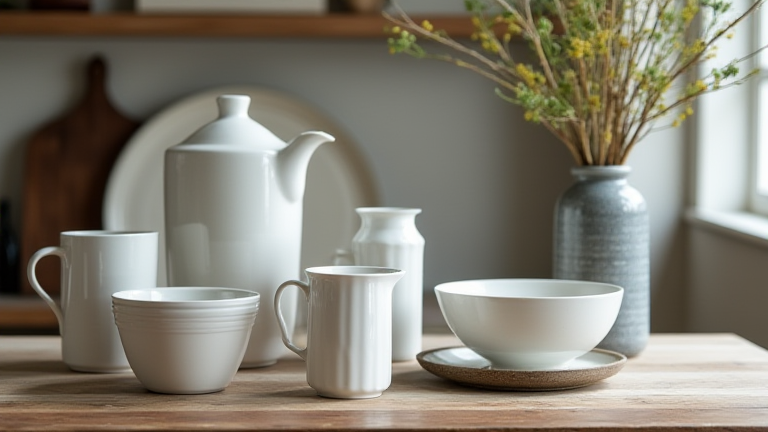
Porcelain’s Living Legacy: How Ancient Craft Shapes Modern Lifestyle
TL;DR: Porcelain transforms from a historical luxury into a contemporary design staple, blending functional elegance with cultural storytelling. Its enduring appeal lies in the seamless fusion of artisanal heritage and modern minimalism, offering a tangible connection to centuries of craftsmanship in everyday life.
When one holds a piece of fine china, they are not merely holding a vessel; they are holding a fragment of history that has survived dynastic shifts, trade route expansions, and industrial revolutions. Porcelain, often referred to as “white gold,” originated in China during the Han Dynasty but truly flourished during the Tang and Song periods. Unlike ordinary pottery, porcelain is characterized by its translucency, whiteness, and vitreous quality, achieved through the specific combination of kaolin clay and feldspar fired at extremely high temperatures. This technical mastery was a closely guarded secret for centuries, making porcelain a symbol of status and sophistication that captivated the Western world upon its arrival via the Silk Road. Today, this ancient craft has found a vibrant new life in modern lifestyle aesthetics, influencing how we eat, decorate, and perceive value in objects.
If you want to dig deeper, check out our guide on Porcelain History & Culture: 10 Tech Innovations That Change.
The Aesthetic of Minimalist Luxury
In contemporary interior design, porcelain serves as the anchor for the minimalist movement. The clean lines and unadorned surfaces of modern porcelain tableware reflect a desire for purity and clarity in a cluttered world. Unlike the heavy, ornate patterns of the Victorian era, modern porcelain often features subtle glazes or matte finishes that complement neutral color palettes. This shift mirrors a broader cultural move toward “slow living,” where individuals prioritize quality over quantity. Owning a set of hand-thrown porcelain plates is no longer just about dining; it is a statement of intentionality. Each piece invites the user to slow down, appreciate the meal, and engage with the object’s tactile warmth. The slight irregularities found in handcrafted pieces, such as variations in glaze thickness or subtle ridges from the potter’s thumb, add a layer of authenticity that mass-produced ceramics cannot replicate. This imperfection, known as *wabi-sabi* in Japanese aesthetics, reminds us that beauty resides in the natural and the handmade.
Culinary Culture and the Ritual of Eating
The rise of the global foodie culture has further cemented porcelain’s place in modern lifestyles. In high-end restaurants and home kitchens alike, the presentation of food is considered an integral part of the dining experience. Porcelain’s non-porous surface ensures that food retains its temperature and flavor without absorbing odors, making it the ideal medium for both hot soups and delicate desserts. Moreover, the acoustic properties of porcelain—a clear, ringing sound when tapped—have become a marker of quality for discerning diners. This sensory engagement transforms the act of eating into a multi-sensory ritual. Chefs and home cooks alike are increasingly selecting specific shapes and weights of porcelain bowls and plates to enhance the visual appeal of their dishes, recognizing that the container is as important as the contents. This synergy between culinary art and ceramic design fosters a deeper appreciation for the craft, encouraging consumers to invest in durable, beautiful pieces that will last for generations.
Sustainable Craftsmanship and Personal Growth
From a personal growth perspective, engaging with porcelain culture offers a pathway to mindfulness and sustainability. The process of creating porcelain is slow and deliberate, requiring patience and precision. For many modern consumers, purchasing and using handmade porcelain is an act of resistance against the disposable culture of fast fashion and fast food. It is a commitment to longevity and repair. By choosing a single, high-quality porcelain piece over several cheap, mass-produced items, individuals contribute to a more sustainable ecosystem that values artisan labor and reduced waste. Furthermore, learning about the history and techniques behind porcelain fosters a sense of connection to global heritage. It expands one’s cultural literacy, allowing for a richer understanding of how different civilizations have valued material beauty. In this way, porcelain is not just an object; it is a teacher, guiding us toward a more thoughtful, intentional, and connected way of living.
FAQ
Q: Why is
Leave a Reply