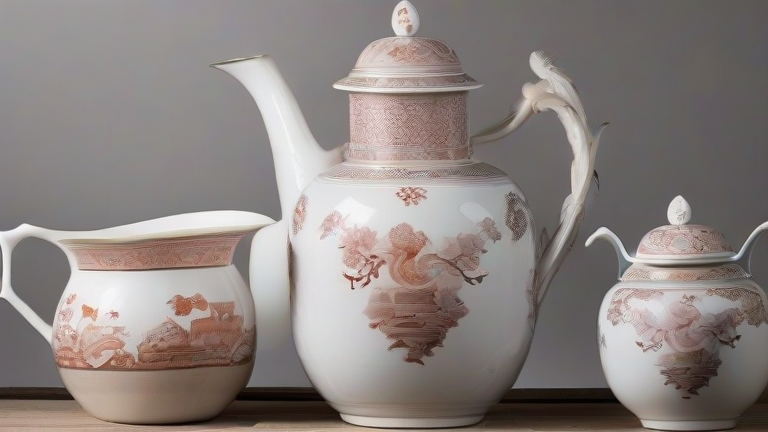
TL;DR: Porcelain’s rich history spans centuries of cultural exchange, evolving from exclusive Chinese imperial artifacts to global lifestyle staples. Understanding its origins enhances appreciation for fine dining, decorative arts, and the meticulous craftsmanship behind modern tableware.
The Origins of White Gold
Porcelain, often referred to as “white gold,” originated in China during the Han Dynasty, though its true perfection came in the Tang and Song dynasties. For centuries, it was a closely guarded secret, with the unique combination of kaolin clay and petuntse creating a material that was translucent, durable, and resonant. This exclusivity made porcelain a symbol of status and sophistication, reserved for emperors and the elite. The intricate blue-and-white designs, often featuring dragons or floral patterns, were not merely decorative but carried deep cultural significance, reflecting the harmony between nature and human endeavor.
If you want to dig deeper, check out our guide on Porcelain History: 5 Health Benefits of This Ancient Ceramic.
Global Exchange and Cultural Fusion
The arrival of Portuguese traders in the late fifteenth century sparked a global fascination with porcelain. This “China trade” revolutionized European lifestyles, as the material became the centerpiece of aristocratic dining rooms. The quest to replicate the material led to significant scientific advancements in Europe, culminating in the development of hard-paste porcelain in Meissen, Germany, in the early eighteenth century. This period marked a shift from mere imitation to innovation, with European artisans developing distinct styles that blended local aesthetics with Eastern techniques. The cultural impact was profound; porcelain influenced architecture, fashion, and social rituals, embedding itself into the daily lives of the upper and middle classes.
Modern Lifestyle and Personal Growth
Today, porcelain transcends its historical roots to become a cornerstone of contemporary lifestyle. In the realm of food and travel, the choice of tableware reflects a personal journey towards mindfulness and quality. Using handcrafted porcelain for meals encourages a slower, more appreciative dining experience, aligning with the growing trend of intentional living. Collectors and enthusiasts find personal growth in the study of provenance and craftsmanship, turning simple objects into stories of global connectivity. Whether through owning a vintage blue-and-white plate or supporting local ceramicists, engaging with porcelain fosters a deeper connection to history and art. It serves as a tangible reminder that beauty and utility can coexist, inviting individuals to curate their environments with care and cultural awareness. This appreciation extends to sustainable practices, as the durability of porcelain reduces waste compared to disposable alternatives.
FAQ
Q: Why is porcelain more durable than standard ceramic?
A: Porcelain is fired at higher temperatures, making it denser, less porous, and more resistant to chipping and staining than standard earthenware or stoneware.
Q: How can I care for antique porcelain items?
A: Handle antique pieces with clean, dry hands, avoid sudden temperature changes, and wash them gently with lukewarm water and mild soap, drying them immediately.
Q: What makes porcelain suitable for fine dining?
A: Its smooth, non-porous surface enhances the presentation of food, retains heat well, and offers a refined aesthetic that elevates the overall dining experience.
Leave a Reply