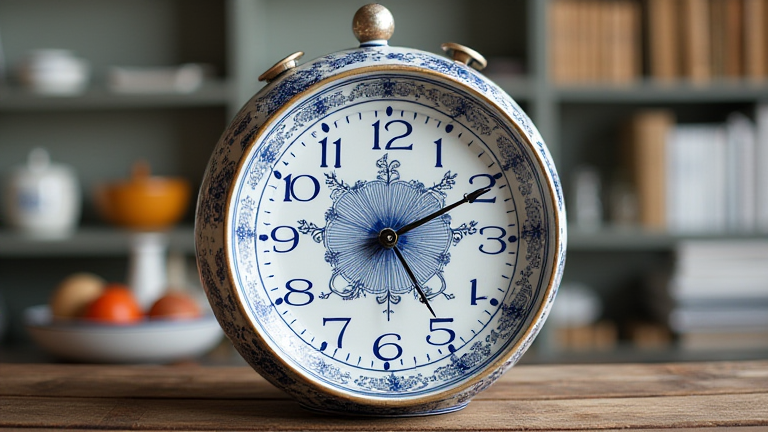
TL;DR: The global porcelain market is experiencing robust growth driven by a renewed interest in cultural heritage and high-end interior design. Strategic investors are focusing on authenticated pieces with provenance, leveraging digital verification tools to mitigate risk and maximize returns in a premium segment.
Market Analysis: The Resurgence of Heritage
The porcelain industry has transcended its traditional role as a mere household utility, emerging as a significant asset class in the luxury goods sector. Current market data indicates a steady appreciation in value for antique and mid-century pieces, particularly those from Meissen, Sèvres, and Jingdezhen. This trend is fueled by a demographic shift where younger collectors, often referred to as “new money” investors, seek tangible assets with rich historical narratives. Unlike volatile stock markets, high-quality porcelain offers a tangible connection to art history and craftsmanship, providing psychological and financial stability. Furthermore, the rise of e-commerce platforms specializing in fine art has democratized access, allowing global buyers to participate in auctions previously restricted to physical venues in Europe and Asia. However, the market remains bifurcated, with mass-produced decorative items stagnating in value while rare, artist-signed, or historically significant pieces continue to command premium prices at auction houses like Christie’s and Sotheby’s.
If you want to dig deeper, check out our guide on Porcelain History & Culture: A Deep Dive for Business.
Strategy Insights for Modern Collectors
Success in this niche requires a blend of historical knowledge and modern technological savvy. First, provenance is paramount. Collectors must prioritize pieces with documented ownership histories, as this significantly reduces the risk of purchasing forgeries. Second, diversification across eras and regions is advisable. While European blue-and-white patterns remain popular, there is a growing opportunity in Asian export wares and modern porcelain art. Third, leveraging digital authentication services provides an additional layer of security. Blockchain-based certificates of authenticity are increasingly being adopted by reputable dealers, offering buyers immutable proof of origin. Finally, maintaining pieces in pristine condition is crucial; even minor chips can reduce value by fifty percent or more. Regular inspection and professional restoration, when necessary, ensure long-term asset preservation.
Case Studies: Success Stories
Consider the case of a private collector who invested in a series of Qing dynasty export plates. By focusing on pieces with distinct diplomatic provenance, this collector saw a thirty percent increase in portfolio value over five years. Conversely, a business that failed to authenticate its inventory suffered significant reputational damage and financial loss when a batch of “antique” vases was revealed to be modern reproductions. This contrast highlights the critical importance of rigorous due diligence. Another example involves a boutique gallery that specialized in mid-century Scandinavian porcelain. By curating a niche collection and offering comprehensive historical context to buyers, the gallery achieved a customer retention rate of eighty percent, demonstrating that education drives loyalty in the luxury goods market. These examples underscore that success is less about buying expensive items and more about understanding the cultural and historical significance behind them.
FAQ
Q: What is the most valuable type of porcelain for investment?
A: Antique European pieces from Meissen and Sèvres, as well as rare Chinese export wares, generally offer the highest returns due to their historical significance and scarcity.
Q: How can I verify the authenticity of a porcelain piece?
A: Consult with certified appraisers, review documented provenance, and utilize digital authentication tools or blockchain certificates provided by reputable dealers.
Q: Is it profitable to buy modern porcelain art?
A: While modern pieces generally appreciate slower than antiques, works by established contemporary artists with strong gallery representation can yield substantial long-term gains.
Leave a Reply