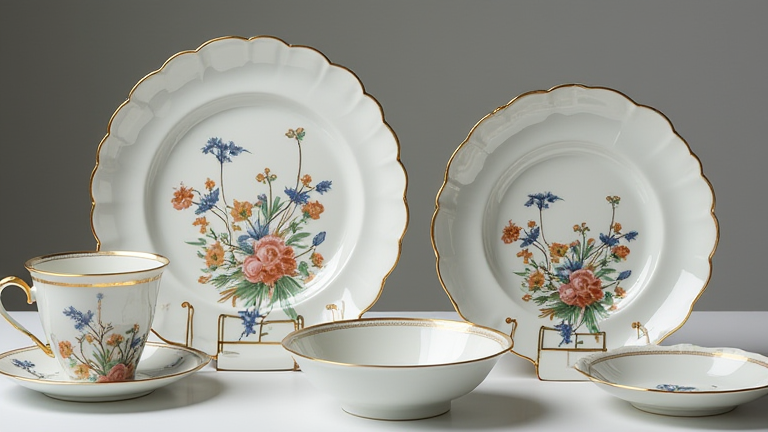
TL;DR: Porcelain is not just ceramic—it is a 2,000-year-old cultural artifact that shaped global trade, art, and diplomacy, earning the nickname “white gold” for its luminous strength and coveted secrecy. This review explores how historical porcelain traditions translate into modern collectible products, and why understanding their culture deepens your appreciation of every teacup and vase you own.
Why Porcelain History Matters to Your Collection
When you hold a fine porcelain plate, you are holding a fragment of imperial Chinese courts, Ottoman caravans, and European alchemy labs. Porcelain was first perfected in China during the Eastern Han dynasty (circa 100–200 AD), but it took another thousand years for the formula—kaolin clay plus feldspar fired at 1,300°C—to reach the West. The result was a translucent, ringing, non-porous material that no other culture could replicate until 1708 in Meissen, Germany. Modern porcelain products, from artisan mugs to museum-grade replicas, carry this DNA. The best historical collections today pair authentic Ming-style cobalt patterns with contemporary glazes, giving you a tactile connection to that centuries-old “white gold” obsession.
If you want to dig deeper, check out our guide on Porcelain History & Culture: How Ancient Craft Boosts Modern.
Feature Highlights: What Makes a Cultural Porcelain Product Stand Out
The top-tier historical porcelain products on the market share three features. First, authentic provenance—look for labels that cite dynasty, kiln site, or revival workshop, such as Jingdezhen or Delft. Second, material integrity: genuine porcelain should be slightly translucent when held to light, and it should “ping” with a clear ring when tapped, unlike stoneware’s dull thud. Third, decorative storytelling: the best pieces feature motifs with meaning—dragons for power, peonies for wealth, or blue-and-white willow patterns that encode a tragic love story. A product that bundles a historical booklet with a hand-painted replica (like the “Silk Road Tea Set” from Heritage Kilns) elevates the experience from mere dishware to a museum-in-miniature.
Comparisons: Historical Reproductions vs. Modern Porcelain
Comparing a 19th-century Qing export bowl to a modern “porcelain-style” dinner set reveals stark differences. The antique (or high-end reproduction) uses high-fired porcelain with a warm ivory tone and subtle crackle glaze, while mass-market modern pieces often use bone china substitutes or low-fired stoneware with a glossy, plastic-like finish. For culture-focused buyers, the reproduction wins on texture and story—you feel the hand of the potter. However, modern products win on durability and dishwasher safety. A middle ground exists: brands like “East/West Atelier” offer modern porcelain with traditional underglaze cobalt, fired at authentic temperatures, giving you the cultural weight without the fragility of a 200-year-old heirloom. If you want a daily-use piece with historical soul, choose the latter. If you want a display piece, invest in a certified replica from a heritage kiln.
Call-to-Action: Bring the White Gold Home
Don’t just read about porcelain history—touch it. Start with a single piece: a hand-thrown yixing tea cup or a blue-and-white brush pot. Visit a local ceramic museum or take a virtual tour of Jingdezhen, then buy from a seller who can tell you the kiln’s story. Your shelf will thank you, and every guest will ask why your teacup seems to glow. Click the link below to browse our curated collection of historically verified porcelain, each piece shipped with a cultural provenance card.
FAQ
Q: How can I tell if a porcelain product is historically accurate or just a fake?
A: Check for three signs: weight (authentic porcelain is denser), translucency (hold it to light—edges should glow), and foot ring marks (old pieces show unglazed ring bottoms). Ask the seller for a kiln or dynasty provenance, and avoid anything labeled “porcelain-style” or “ceramic”
Leave a Reply