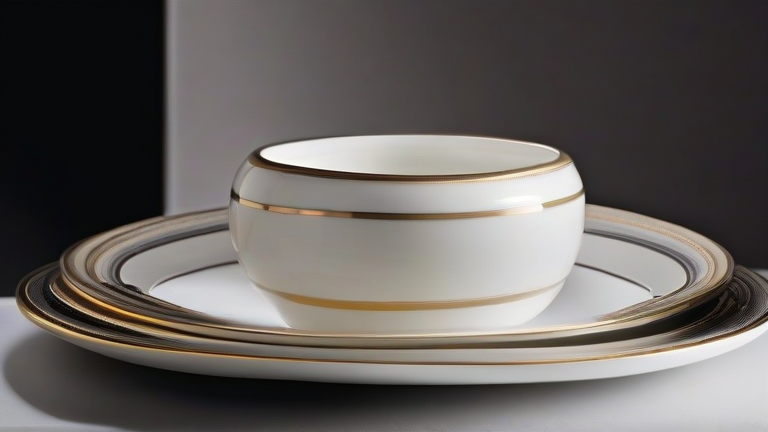
TL;DR: Porcelain, known as “white gold,” is not just ceramic—it’s a 1,000-year-old story of imperial monopoly, secret recipes, and global trade wars. This article unpacks 10 cultural and historical facts that transform how you’ll view your teacup, vase, or dinner set.
Porcelain History & Culture: 10 Facts Behind the White Gold
Porcelain was born in China during the Eastern Han Dynasty (25–220 AD), but it reached its zenith under the Song and Ming dynasties. The secret—kaolin clay plus petuntse, fired at 1,300°C—was so guarded that for centuries, Europeans called it “white gold” because it was literally traded ounce-for-ounce with silver. The Silk Road and later maritime routes carried Ming vases to Persia, Ottoman palaces, and finally to the coffee houses of Vienna, where a single plate could buy a house.
If you want to dig deeper, check out our guide on Porcelain History: How Ancient Craft Shapes Modern Health.
Fact #1: The name “china” stuck because the country was the sole source until 1708. Fact #2: The famous blue-and-white pattern came from cobalt imported from Persia, making every piece a cross-cultural artifact. Fact #3: The “dragon” motifs were reserved for the emperor—commoners caught owning one were executed. Fact #4: The French called it porcelaine after a cowrie shell, because its glossy surface resembled the shell’s shine. Fact #5: The kiln city of Jingdezhen produced 100 million pieces per year at its peak, with a dedicated imperial factory. Fact #6: The secret recipe was finally cracked by Johann Böttger in Meissen, Germany, in 1708, sparking a European porcelain war. Fact #7: The “egg-shell” porcelain of the Qing Dynasty is so thin you can read a newspaper through it. Fact #8: Porcelain was used for medicine—some believed it neutralized poison, so emperors ate from it exclusively. Fact #9: The “Famille Rose” palette (pinks and greens) was a 18th-century European-inspired innovation that Chinese artisans adopted for export. Fact #10: Today, antique Chinese porcelain holds auction records—a single Qianlong vase sold for $85 million in 2010.
Feature Highlights: When buying porcelain today, look for three things: translucency (hold it to light—true porcelain glows), resonance (a clear ring when tapped), and weight (fine porcelain is dense but not heavy). Modern brands like Meissen, Wedgwood, and Limoges still use historical techniques, but you can get affordable, high-quality pieces from Japanese Noritake or Portuguese Vista Alegre.
Comparisons: Meissen offers hand-painted, museum-grade artistry but costs $500+ per plate. Wedgwood’s “Jasperware” is iconic but not true porcelain—it’s stoneware. For everyday elegance, Noritake’s “Color Wave” is dishwasher-safe and mimics Ming blue-and-white for under $40 per setting. If you want cultural authenticity, buy from Jingdezhen’s modern studios on Etsy—they use the same clay and kilns as the Ming era, at a fraction of auction prices. Avoid cheap “bone china” from unknown sellers—it often contains ash and cracks easily.
Call-to-Action: Don’t just drink coffee—drink history. Start your collection with one hand-painted blue-and-white teapot from Jingdezhen, or a single Meissen dessert plate as an heirloom. Visit your local antique fair this weekend and ask for “porcelain with a high ping.” Your shelf will thank you, and so will your dinner guests.
FAQ
Q: How can I tell real porcelain from fake?
A: Hold it against a bright light—real porcelain is translucent. Also, tap it with a metal spoon; true porcelain produces a clear, bell-like ring, while fakes sound dull and thud-like.
Q: Is porcelain safe to use in microwaves and dishwas
Leave a Reply