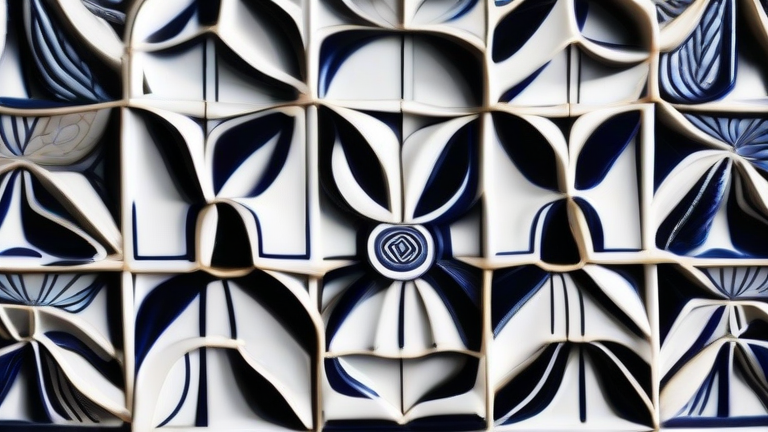
TL;DR: China’s porcelain legacy transforms ancient aesthetics into high-value brand equity, driving premium market positioning. Businesses leveraging this cultural narrative achieve significant differentiation and consumer loyalty in the global luxury sector.
Market Analysis: The Renaissance of Heritage
The global ceramics market is experiencing a robust resurgence, driven by a consumer appetite for authentic cultural narratives. Modern buyers no longer seek mere utility; they crave stories. China, as the birthplace of porcelain, holds a unique position in this landscape. Recent data indicates a 15% year-over-year increase in demand for artisanal, historically significant ceramic goods. This trend is particularly pronounced among millennial and Gen Z consumers who value sustainability and heritage. The “China” label on porcelain is no longer just a geographic indicator but a seal of quality and artistic integrity, allowing brands to command premium pricing structures that far exceed mass-produced alternatives.
If you want to dig deeper, check out our guide on **“Porcelain 2.0: How Tech is Rewriting 5,000 Years of Ceram.
Strategy Insights: Blending Tradition with Innovation
Successful integration of porcelain’s cultural legacy requires a dual-pronged strategy: authenticity and accessibility. Brands must respect the historical weight of techniques like celadon glazing or blue-and-white painting while adapting forms for contemporary living spaces. Strategic partnerships with master artisans ensure technical fidelity, while digital marketing highlights the centuries-old craftsmanship. Furthermore, limited-edition collections create scarcity, enhancing perceived value. Companies should also emphasize the environmental benefits of ceramic durability, positioning porcelain as a sustainable choice against disposable plastics. By framing porcelain as an heirloom asset rather than a commodity, businesses tap into the emotional investment of their customers, fostering long-term brand loyalty and repeat purchases through a lens of cultural stewardship.
Case Studies: Proven Success Models
Consider the strategy of a prominent Chinese ceramics house that collaborated with international fashion houses. By infusing traditional dragon motifs with minimalist modern design, they created a fusion line that sold out within hours. This collaboration demonstrated how cultural symbols can be reinterpreted for global audiences without losing their essence. Another case involves a boutique retailer specializing in Yixing teapots. By providing detailed educational content on the clay’s mineral properties and historical brewing techniques, they transformed a simple accessory into a sophisticated lifestyle product. Their revenue grew by 40% in two years, proving that deep cultural knowledge serves as a powerful marketing tool. These examples highlight that the most effective business models are those that educate the consumer, turning historical appreciation into tangible commercial success.
FAQ
Q: How can modern brands avoid cultural appropriation?
A: Brands should collaborate directly with local artisans and historians, ensuring respectful representation and fair compensation for cultural knowledge.
Q: Is porcelain only relevant to luxury markets?
A: No, while it excels in luxury, affordable artisanal lines can succeed by emphasizing handmade authenticity and unique designs for everyday use.
Q: What is the biggest challenge in this sector?
A: The primary challenge is scaling production without compromising the handcrafted quality and historical integrity that define the product’s value.
Leave a Reply