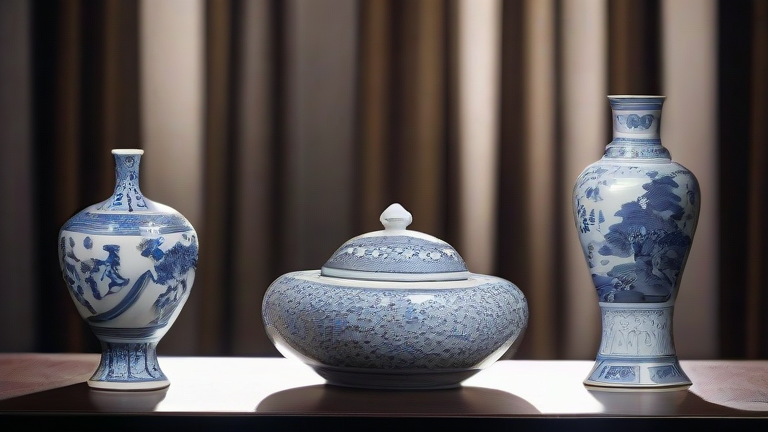
TL;DR: Porcelain’s 1,000-year evolution from imperial Chinese monopoly to global luxury commodity offers business leaders a masterclass in brand scarcity, cultural adaptation, and supply-chain resilience. To succeed today, leaders must pair heritage storytelling with modern digital channels while navigating shifting production hubs and sustainability demands.
The Strategic Value of Porcelain’s Historical Arc
Porcelain’s history is not a decorative footnote—it is a commercial case study. Originating in China’s Tang dynasty (618–907) and perfected under the Song and Ming dynasties, porcelain was the first global luxury product. Its recipe (kaolin clay + high-temperature firing) was a state secret for centuries, creating an artificial monopoly. For business leaders, the lesson is clear: proprietary process knowledge, even when widely imitated, can sustain premium pricing for over 500 years. The Silk Road and later European maritime trade (16th–18th centuries) turned porcelain into a currency of diplomacy, with rulers commissioning bespoke armorial services—an early example of B2B customization driving loyalty.
Market Analysis: From Craft to Collectible to Commodity
The global porcelain market is valued at roughly $25 billion (2024), growing 4.2% annually. Key segments include tableware (45%), art and collectibles (30%), and architectural tiles (25%). China still leads production (~60% share), but Vietnam, Turkey, and Portugal are emerging low-cost hubs. Meanwhile, the secondary auction market for antique porcelain (e.g., Qing dynasty vases) has seen record prices—a single Yongzheng-era piece sold for $43 million in 2023. This bifurcation—mass-market functional ware vs. ultra-premium collectibles—requires distinct strategies. For mass market, automation and glaze consistency dominate. For premium, provenance authentication (via blockchain) and artist collaborations are critical.
Strategy Insights: Heritage as a Growth Lever
Three actionable insights emerge. First, embrace “cultural storytelling” not as nostalgia but as a differentiator. Meissen (Germany, est. 1710) survived revolutions by positioning its hand-painted patterns as living art—not just tableware. Second, adopt a hybrid distribution model: direct-to-consumer e-commerce for bespoke commissions, plus selective wholesale for museums and luxury hotels. Third, invest in sustainability. Traditional kilns emit high CO₂; modern brands like Denmark’s Royal Copenhagen are switching to electric kilns and recycled clay, appealing to eco-conscious buyers. Avoid the trap of over-expanding SKUs—porcelain’s allure lies in rarity, not volume.
Case Studies: Success and Failure
Success—Qingdao Porcelain (China): This mid-tier manufacturer pivoted from cheap exports to “design-led” ware by partnering with European artists and launching a limited-edition series (500 pieces per pattern). Result: 35% revenue growth in two years, with a 60% gross margin versus 15% previously. Their key move was controlling the narrative via a virtual museum tour on their website.
Failure—Wedgwood (UK): Once a global icon, Wedgwood filed for administration in 2009. Root cause: it diluted its brand with low-end factory lines, ignored Asian market preferences for fine bone china, and failed to digitize its archive. It was later rescued by a private equity firm that cut 70% of SKUs and re-focused on heritage patterns—but market share never recovered. Lesson: don’t chase volume at the expense of brand equity.
FAQ
Q: How can a small porcelain brand compete against Chinese mass production?
A: Focus on niche storytelling (e.g., local clay, artisan techniques) and leverage social media to sell directly to collectors. Use certifications like “hand-painted” or “limited edition” to justify 3–5x pricing.
Q: What is the biggest risk in the porcelain market today?
A: Counterfeiting and provenance fraud, especially for antique pieces. Invest in micro-engraving or RFID tags, and
Leave a Reply