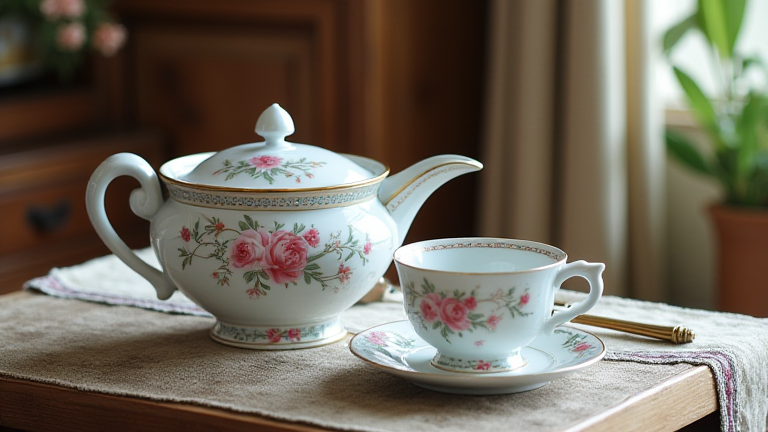
TL;DR: Porcelain history and culture represent a sophisticated intersection of art, utility, and status that has defined elegance for centuries. By integrating these timeless pieces into your home, you cultivate a lifestyle rooted in appreciation for craftsmanship and enduring beauty.
The Essence of White Gold
For centuries, porcelain has been synonymous with refinement and luxury. Originating in China, this material was closely guarded as a state secret, making it a symbol of immense wealth and power when it eventually reached Europe. Today, understanding the rich history behind porcelain allows us to appreciate not just its aesthetic appeal, but its cultural significance. It is more than just dinnerware; it is a tangible connection to artistic heritage and meticulous craftsmanship. Living in elegance means recognizing the story behind the object, transforming a simple meal or decorative display into a meaningful cultural experience.
If you want to dig deeper, check out our guide on Here are a few options, all under 70 characters:
1. **The H.
Curating Your Daily Rituals
Incorporating porcelain into your daily life does not require a formal occasion. It begins with the morning coffee. Using a high-quality porcelain cup enhances the sensory experience, as the material does not absorb flavors, allowing the true essence of your beverage to shine. This small act of mindfulness sets a tone of quality and intention for the day. Similarly, serving meals on hand-painted plates or delicate teacups elevates ordinary dining into a ritual of gratitude and appreciation. These practices encourage slow living, prompting you to savor moments rather than rush through them. The tactile smoothness and visual purity of porcelain invite a pause, fostering a deeper connection with the present moment.
Sustainable Elegance and Legacy
Modern lifestyle trends increasingly favor quality over quantity. Porcelain, being durable and long-lasting, aligns perfectly with sustainable living principles. Investing in pieces that outlast fleeting trends reduces waste and builds a home filled with items that have history and soul. Each piece, whether a vintage heirloom or a contemporary artisan creation, carries a narrative. Displaying these items in open shelves rather than closed cabinets makes them part of your daily visual environment, reminding you of the artistry involved in their creation. This approach to home decor is about curation, selecting only those items that resonate with your personal values and aesthetic preferences. It is a form of personal growth, as you learn to value depth and detail over superficiality.
Connecting Through Culture
Porcelain also serves as a bridge for cultural exchange. Whether you enjoy Japanese Raku ware for its wabi-sabi beauty or European bone china for its fine lines, each style offers a unique perspective on art and life. Learning about the origins of your pieces enriches your social interactions and personal knowledge. It turns conversations about home decor into discussions about history, trade, and art. By embracing the culture of porcelain, you participate in a global tradition of elegance that transcends borders and eras. This cultural engagement adds layers of meaning to your living space, making it a sanctuary of both beauty and intellectual richness.
FAQ
Q: What makes porcelain different from other ceramics?
A: Porcelain is fired at higher temperatures, resulting in a denser, more durable, and translucent material that does not require glazing for waterproofing.
Q: How can I maintain the elegance of my porcelain collection?
A: Hand wash pieces with mild soap and avoid abrasive cleaners to preserve the glaze and paintwork, storing them carefully to prevent chips.
Q: Is porcelain suitable for everyday use?
A: Yes, high-quality porcelain is durable enough for daily use, though it is best to avoid extreme temperature shocks to ensure longevity.
Leave a Reply