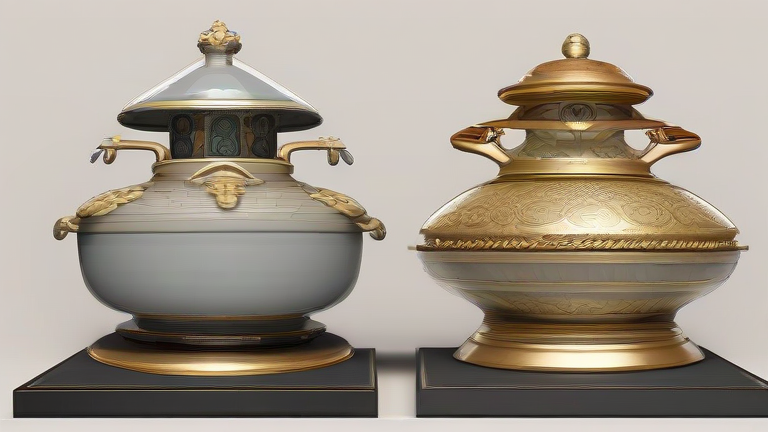
TL;DR: Porcelain is not merely a decorative material but a functional vessel that supports digestive health and food preservation through its inert, non-porous surface. Its cultural significance spans centuries, influencing modern wellness practices by promoting hygienic eating habits and mindful consumption.
The Historical Context of Porcelain in Wellness
Porcelain, often referred to as “white gold,” has a rich history that extends far beyond aesthetic appeal. Originating in ancient China, this material was initially developed for imperial use, symbolizing purity and refinement. However, its impact on health and wellness is rooted in its physical properties. Unlike earthenware, which can be porous and potentially harbor bacteria, high-quality porcelain is fired at extremely high temperatures, resulting in a glass-like surface that is impervious to moisture and contaminants. This characteristic has made it a preferred choice for food preparation and storage throughout history, reducing the risk of foodborne illnesses associated with porous materials. The transition from local clay pots to imported porcelain marked a significant shift in dietary hygiene, particularly during the Ming and Qing dynasties, where the spread of porcelain to Europe further influenced global culinary practices. By providing a sterile environment for food, porcelain indirectly contributed to improved public health standards in regions that adopted its use.
If you want to dig deeper, check out our guide on Porcelain History & Culture: A Complete Beginner’s Guide.
Modern Applications and Lifestyle Tips
In contemporary wellness culture, the choice of serving ware is increasingly recognized as a component of holistic health. Science-backed advice suggests that the material of your tableware can influence how we interact with our food. Porcelain plates and bowls are ideal for maintaining the temperature of food, which can enhance the preservation of nutrients that are sensitive to heat or cold. Furthermore, the smooth surface of porcelain is easy to clean, ensuring that no residue from previous meals affects the taste or safety of current ones. For lifestyle tips, consider using porcelain for storing herbal teas or infusions. The non-reactive nature of the material ensures that the delicate flavors and medicinal properties of herbs are not altered by chemical interactions. This is particularly relevant for those following specific diets, such as vegan or gluten-free, where cross-contamination is a primary concern. Additionally, the aesthetic appeal of porcelain encourages mindful eating. Studies have shown that the visual presentation of food can impact satiety and enjoyment, leading to better digestion and reduced stress levels associated with mealtime. By choosing porcelain, individuals can integrate a sense of ritual and care into their daily routines, promoting a more intentional approach to nutrition.
Cultural Perspectives on Porcelain and Health
The cultural value of porcelain also plays a role in mental well-being. In many East Asian traditions, the act of pouring tea from a porcelain pot is a meditative practice that fosters relaxation and mindfulness. This cultural practice aligns with modern wellness trends that emphasize mental health and stress reduction. The tactile experience of holding a warm, smooth porcelain cup can provide comfort and a sense of connection to tradition. Moreover, the durability of porcelain means that these items can be passed down through generations, creating a sense of continuity and heritage that supports emotional well-being. Understanding the historical and cultural context of porcelain allows consumers to make informed choices that align with their values regarding health, sustainability, and tradition. By appreciating the craftsmanship and history behind each piece, users can enhance their dining experience, turning a simple meal into a nourishing ritual that benefits both body and mind.
FAQ
Q: Is porcelain safe for food storage?
A: Yes, high-quality, lead-free porcelain is inert and non-porous, making it safe for storing a wide variety of foods without leaching harmful chemicals or retaining odors.
Q: How does porcelain compare to plastic for health reasons?
A: Porcelain is superior to plastic because it does not contain bisphenol A (BPA) or phthalates, and it is more durable, reducing the need for frequent replacement and associated waste.
Q: Can porcelain be used for hot beverages?
A: Absolutely, porcelain is excellent for hot beverages as it retains heat well and does not react with acidic liquids like coffee or tea, preserving the beverage’s natural flavor.
Leave a Reply