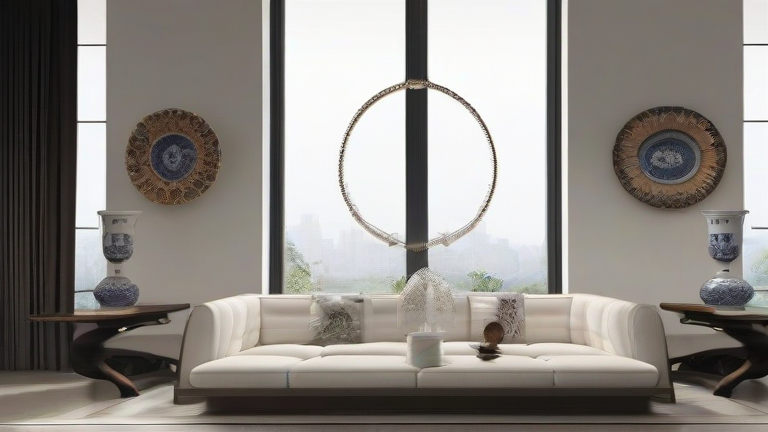
TL;DR: Porcelain history traces a millennia-long journey from exclusive Chinese imperial secrets to global cultural symbols, reflecting shifting tastes in art and luxury. Today, fine porcelain represents a commitment to mindful living, blending historical craftsmanship with modern aesthetic appreciation.
The Imperial Secret of China
For centuries, porcelain was not merely a material but a guarded state secret in China. Known as “white gold,” it was prized for its translucency, durability, and exquisite thinness. The secret lay in the unique combination of kaolin clay and petuntse, fired at exceptionally high temperatures. This exclusivity meant that for over a thousand years, the rest of the world could only admire fragments that arrived via the Silk Road, fueling a relentless desire to replicate the material. The cultural impact was profound, as porcelain objects became status symbols that defined courtly life and diplomatic exchanges across Asia and the Middle East.
If you want to dig deeper, check out our guide on Porcelain History & Culture: Surprising Health Benefits.
European Discovery and Imitation
The quest for the perfect white ceramic reached its peak in Europe during the Renaissance. German alchemists and Italian artisans spent decades experimenting, producing bone china and soft-paste porcelains that mimicked the Chinese original. The breakthrough came in the early eighteenth century when Johann Friedrich Böttger and Ehrenfried Walther von Tschirnhaus successfully created true hard-paste porcelain in Meissen. This achievement shattered the Chinese monopoly and ignited a porcelain craze across Europe. Factories in Sèvres, Worcester, and other cities emerged, each developing distinct styles that reflected local artistic movements, from Rococo florals to Neoclassical restraint. These pieces were not just for dining; they were conversation pieces, showcasing the wealth and cultural sophistication of their owners.
Modern Mindful Living
In the contemporary era, the appreciation for porcelain has evolved from pure opulence to mindful curation. Modern lifestyle enthusiasts view fine porcelain as an anchor for slow living. Using handcrafted mugs or heirloom dinnerware encourages a pause in the daily rush, inviting users to savor food and drink with heightened sensory awareness. The tactile quality of fine china, its weight, and its cool touch engage the senses, fostering a deeper connection to the act of eating. Furthermore, supporting independent ceramicists and restoring antique pieces promotes sustainability and personal growth. By choosing quality over quantity, individuals curate spaces that reflect their personal history and values, transforming simple domestic rituals into meaningful cultural experiences.
FAQ
Q: What makes true porcelain different from other ceramics?
A: True porcelain is made from kaolin clay fired at very high temperatures, making it translucent, non-porous, and significantly harder than stoneware or earthenware.
Q: How can beginners identify authentic antique porcelain?
A: Look for specific hallmarks on the base, check for the “ring” sound when tapped gently, and assess the translucency of thin edges under light.
Q: Why is porcelain significant in modern interior design?
A: It adds timeless elegance and texture to spaces, serving as functional art pieces that elevate everyday routines and reflect a commitment to quality living.
Leave a Reply