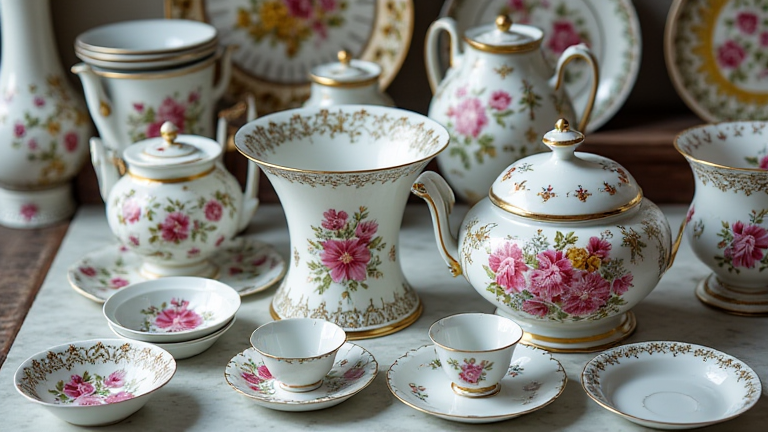
Porcelain History & Culture: A Business Guide for Collectors
TL;DR: The global porcelain market is driven by a blend of historical prestige and modern design, with high-value transactions concentrated in Ming Dynasty antiques and contemporary artist editions. Success requires mastering provenance verification and leveraging cultural narratives to differentiate inventory in a saturated collectibles landscape.
Market Analysis: The Current Landscape
The porcelain sector is bifurcated into two distinct yet interconnected segments: historical artifacts and modern design collectibles. Historical pieces, particularly Chinese export wares from the 17th to 19th centuries, command premium prices due to their rarity and documented trade routes. Market data indicates a steady 4-6% annual appreciation for authenticated high-quality antiques, driven by a growing demographic of older, affluent collectors. Conversely, the contemporary sector, featuring limited-edition works by renowned designers, appeals to younger investors who view art as an alternative asset class. This dual structure allows businesses to diversify risk by balancing volatile high-end auctions with stable mid-range design sales. However, the market faces challenges from counterfeits and ethical sourcing concerns regarding raw materials, necessitating robust supply chain transparency.
If you want to dig deeper, check out our guide on Porcelain History & Culture: A Deep Dive into Tech & Traditi.
Strategic Insights for Value Creation
Effective business strategies hinge on the power of storytelling. Buyers are not merely purchasing ceramic objects; they are acquiring cultural capital. Businesses must invest in detailed provenance documentation and educational content that contextualizes each piece within its historical or artistic framework. Digital integration is also critical. Utilizing blockchain technology for certificate of authenticity can significantly reduce fraud risks and build trust with skeptical buyers. Furthermore, experiential retail, such as hosting studio tours or firing demonstrations, can deepen customer engagement and justify higher price points by showcasing the artisan’s skill and the material’s complexity.
Case Studies in Success
Consider the case of a boutique gallery that pivoted from general antiques to specializing in Meiji-period Japanese porcelain. By hosting expert-led seminars on Japanese aesthetic philosophy, they cultivated a niche community of loyal collectors, increasing their average transaction value by 40% within two years. Another example involves a modern design firm that collaborated with a historic European factory to produce a limited-run series. By emphasizing the fusion of traditional craftsmanship with modern utility, they secured placement in high-end hotel lobbies, creating a visible marketing channel that drove direct-to-consumer sales online. Both cases illustrate that specific cultural knowledge and strategic partnerships are key differentiators.
FAQ
Q: How do I verify the authenticity of historical porcelain?
A: Engage certified experts for physical inspection and request comprehensive provenance records, including previous auction receipts and ownership history.
Q: Is contemporary porcelain a good investment?
A: Yes, limited-edition pieces by established designers often appreciate in value as their supply becomes scarce, similar to fine art markets.
Q: What are the main risks in the porcelain business?
A: The primary risks include high breakage rates during shipping, market saturation, and the prevalence of high-quality forgeries that can devalue collections.
Leave a Reply