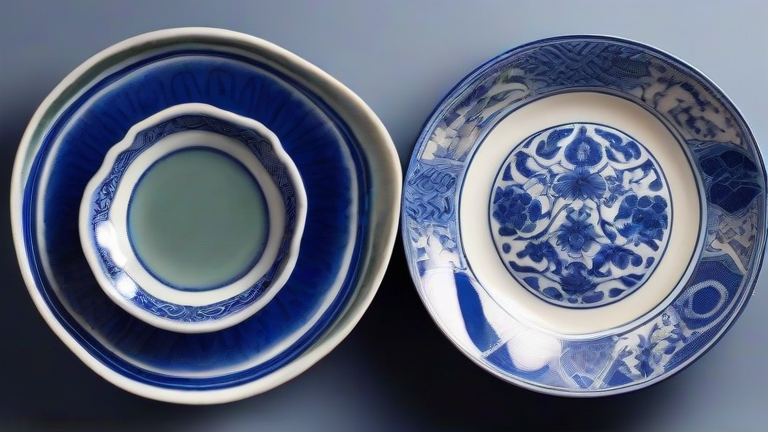
TL;DR: Modern porcelain production has revolutionized traditional craftsmanship by integrating advanced digital firing technologies and eco-friendly material science, ensuring superior durability and consistency. This fusion of heritage and innovation allows artisans to preserve cultural authenticity while meeting contemporary industrial standards for precision and sustainability.
The Intersection of Ancient Craft and Modern Engineering
Porcelain, often called “white gold,” has been a cornerstone of global trade and cultural exchange for over a millennium. While its origins trace back to the Tang and Song dynasties in China, the material is undergoing a significant transformation in the twenty-first century. Today, the narrative of porcelain is no longer just about kiln temperatures and clay compositions; it is increasingly defined by technological integration. The latest developments in ceramic manufacturing focus on leveraging data analytics and automation to refine the aging process of clay and the precision of glazing. This technological shift does not replace the artisan but empowers them, allowing for complex, large-scale production that maintains the delicate aesthetic qualities prized in traditional culture.
Technical Specifications and Material Innovations
Recent advancements in porcelain technology have led to the development of high-performance materials that push the boundaries of what is physically possible. Modern porcelain tiles and functional ceramics now feature water absorption rates below 0.5%, classifying them as fully vitrified. This low porosity is achieved through high-temperature firing processes that exceed 1,250 degrees Celsius, a threshold that traditional kilns struggled to maintain consistently. Furthermore, the incorporation of nano-technology into glaze formulations has resulted in surfaces that are not only harder but also possess self-cleaning properties. These technical specifications are critical for the industry, as they allow porcelain to be used in applications previously reserved for metals or synthetic polymers, such as high-end architectural facades and medical implants. The density and thermal shock resistance of these new compounds ensure that the material remains stable under extreme environmental conditions, preserving the integrity of the cultural artifact or product over decades.
Industry Impact and Cultural Preservation
The impact of these technological developments on the industry is profound. Manufacturers are now able to reduce waste significantly through digital simulation of kiln loads and precise robotic handling of fragile pieces. This efficiency reduces the carbon footprint of production, addressing growing environmental concerns in the global market. Moreover, the ability to replicate intricate historical patterns with digital printing technology has revitalized interest in traditional motifs. Consumers are increasingly seeking products that offer a connection to cultural heritage, and modern tech enables producers to deliver this authenticity at scale. The industry is moving away from mass-produced, generic items toward specialized, culturally significant pieces that tell a story. This shift supports local artisans by providing them with the tools to compete in a global market without sacrificing the soul of their craft.
FAQ
Q: How does modern technology change the traditional firing process?
A: It uses precise computer-controlled kilns to maintain exact temperature curves, reducing defects and ensuring consistent quality that manual methods cannot guarantee.
If you want to dig deeper, check out our guide on Porcelain History: 5 Cultural Secrets Behind the White Gold.
Q: What are the main environmental benefits of new porcelain technologies?
A: Advanced recycling systems and energy-efficient firing methods significantly lower carbon emissions and material waste compared to legacy production techniques.
Q: Can digital printing preserve the authenticity of traditional porcelain designs?
A: Yes, high-resolution digital inks can replicate intricate historical patterns with greater accuracy and durability than hand-painting, preserving cultural details perfectly.
Leave a Reply