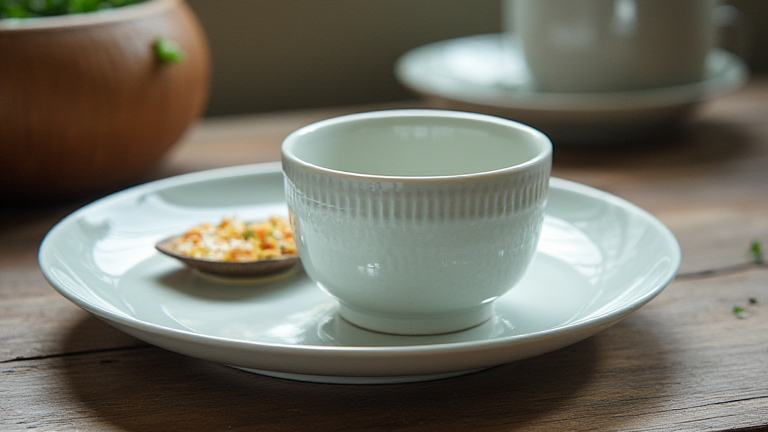
TL;DR: Porcelain history is deeply intertwined with human health, as the development of this durable material revolutionized hygiene through the creation of safe drinking vessels, advanced dental prosthetics, and sterile medical instruments. Embracing porcelain in your daily life, from tableware to dental care, supports better sanitation, reduces toxin exposure, and connects you to centuries of cultural wellness practices.
The Hygiene Revolution
Before the widespread adoption of porcelain, many cultures relied on organic materials like wood, clay, or bone for their vessels. These materials were porous, trapping bacteria and mold that could lead to various gastrointestinal illnesses. The invention of true porcelain, originating in China during the Han Dynasty but perfected in the Tang and Song dynasties, marked a pivotal moment in public health. Because porcelain is fired at extremely high temperatures, it becomes non-porous and impermeable. This scientific property means that it does not absorb liquids or odors, making it significantly easier to clean and sanitize. Using modern porcelain tableware is a simple lifestyle tip that helps maintain a cleaner environment, reducing the risk of cross-contamination between meals. When you choose high-quality stoneware or porcelain for your daily dining, you are making a health-conscious choice that aligns with centuries of evolving hygiene standards.
If you want to dig deeper, check out our guide on Porcelain History: 10 Fascinating Facts for Business Leaders.
Dental Health and Material Science
One of the most surprising health benefits of porcelain is its application in modern dentistry. Dental porcelain is a biocompatible material that has been used for centuries to restore damaged teeth. Unlike some metal alloys, dental porcelain does not contain mercury or lead, making it a safer option for long-term oral health. It is also highly resistant to staining and corrosion, which helps maintain the aesthetic and structural integrity of restorations. From a wellness perspective, avoiding reactive metals in the mouth can prevent potential allergic reactions or sensitivities for some individuals. If you are considering dental work, consulting with your dentist about porcelain veneers or crowns can be a proactive step toward better oral hygiene and overall well-being. The smooth surface of porcelain also encourages good oral hygiene habits, as it is less likely to harbor plaque compared to rougher materials, thus supporting healthier gums and teeth.
Cultural Rituals and Mindful Consumption
Beyond physical health, porcelain plays a vital role in cultural wellness rituals. In many East Asian traditions, the act of preparing tea in porcelain vessels is a meditative practice that promotes mindfulness and stress reduction. The delicate nature of fine porcelain encourages a slower, more intentional pace of consumption, allowing the drinker to appreciate the aroma and taste of their beverage. This mindful eating and drinking is a key component of holistic health, helping to improve digestion and reduce anxiety. By integrating these cultural secrets into your daily routine, you can transform a simple act like drinking water or tea into a therapeutic ritual. Whether you are enjoying a cup of green tea from a traditional Chinese teapot or a glass of water from a handcrafted vase, the material itself contributes to a sense of calm and connection to heritage.
FAQ
Q: Is porcelain safe for daily use in food and drink?
A: Yes, high-quality porcelain is generally considered safe for daily use because it is non-porous, non-toxic, and resistant to leaching harmful chemicals, provided it is free from leaded glazes.
Q: How does porcelain compare to glass for health reasons?
A: Both are excellent choices, but porcelain is often more durable and less likely to shatter, while glass is completely inert; porcelain’s thickness can also provide better insulation for hot beverages.
Q: Can using antique porcelain pose health risks?
A: Some antique pieces may contain lead in the glaze, so it is advisable to use modern, lead-free porcelain for food and drink, or to reserve antique items for decorative purposes only.
Leave a Reply