TL;DR: Porcelain history is defined by the Chinese invention of true white ware and its subsequent global influence on trade and art. Beginners should study key dynasties and cultural symbols to appreciate the material’s enduring legacy.
Understanding the Origins of Porcelain
To begin your journey, recognize that porcelain is not merely a material but a historical narrative. True porcelain, distinguished by its translucency and high firing temperature, originated in China during the Han Dynasty, though it reached perfection in the Tang and Song dynasties. Your first step is to distinguish between true porcelain and earthenware or stoneware. Look for the characteristic “ring” when tapping a piece and its ability to transmit light when held up to a bright source. This physical examination is the foundation of any beginner’s analysis.
If you want to dig deeper, check out our guide on Porcelain’s Living Legacy: How Ancient Craft Shapes Modern L.
Tracing the Silk Road and Global Trade
Next, map the cultural spread of porcelain. In the thirteenth century, Marco Polo’s accounts sparked European fascination, leading to the “China Trade.” Study how the desire for porcelain drove the establishment of the Dutch East India Company and shaped colonial trade routes. To deepen your understanding, examine the motifs used in export ware. Patterns like “Batik” or “Imari” were not random; they were specific requests from European merchants. By learning to identify these patterns, you can trace a specific piece back to its intended market and the cultural exchange that facilitated its creation. This step connects the object to the broader socio-economic forces of the early modern world.
Appreciating Regional Styles and Techniques
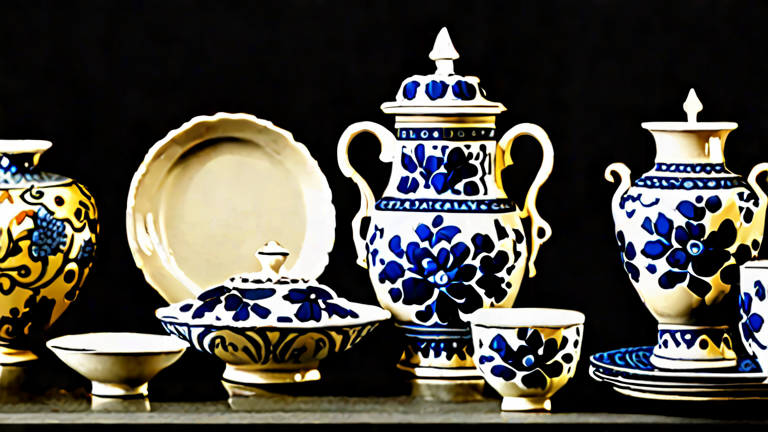
Focus on the major production centers to understand stylistic evolution. Jingdezhen in China is the undisputed capital, but you must also study the rise of Meissen in Germany and Sèvres in France. These European kilns were born out of royal ambition to replicate Chinese aesthetics. Compare the cobalt blue underglaze of Chinese Yuan ware with the intricate gilding of French Rococo pieces. Each region developed unique techniques based on local clay availability and artistic preferences. For example, the Japanese “Raku” style, while technically a low-fired earthenware, influenced porcelain aesthetics through its embrace of imperfection. Understanding these variations prevents the common mistake of viewing porcelain as a monolithic global product. Instead, see it as a dialogue between cultures, where each region contributed distinct artistic philosophies to the medium.
Caring for Historical Pieces
Finally, learn basic conservation principles to preserve any items you collect. Porcelain is brittle and sensitive to thermal shock. Avoid placing hot items on cold surfaces, and handle pieces by their base rather than the rim. Use soft, dry cloths for cleaning, avoiding harsh chemicals that can degrade glazes. Store items in padded boxes to prevent micro-abrasions. This respect for the material’s fragility is part of appreciating its history. By maintaining the integrity of the object, you preserve the tangible evidence of past craftsmanship and cultural exchange, ensuring that the story continues for future generations. This responsible stewardship is the final step in becoming a knowledgeable enthusiast of porcelain culture.
FAQ
Q: What is the primary difference between porcelain and china?
A: “Porcelain” is the technical term for the material, while “china” is a colloquial term that often refers to porcelain tableware or dishes, derived from its origin in China.
Q: Why is Meissen porcelain considered significant in European history?
A: Meissen was the first successful European factory to produce true hard-paste porcelain, breaking the Chinese monopoly and establishing a high-art standard for European ceramics.
Q: How can I tell if a piece is antique or modern reproduction?
A: Look for maker’s marks, glaze crazing patterns, and the color of the foot; antiques often have thicker glazes and specific historical markings that modern mass-produced items lack.
Leave a Reply