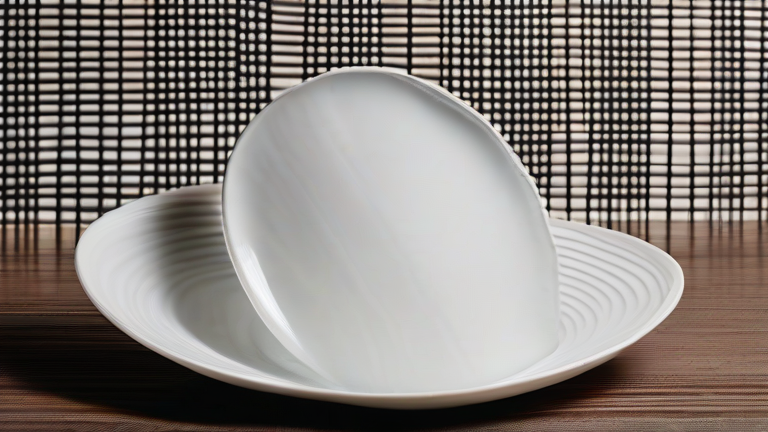
TL;DR: Porcelain’s living legacy is defined by its seamless integration of ancient Chinese craftsmanship into contemporary design, elevating daily rituals into aesthetic experiences. By blending historical prestige with modern minimalism, porcelain transforms mundane acts like dining and decorating into expressions of cultural refinement and personal mindfulness.
The Silent Luxury of History
For centuries, porcelain was known as “white gold,” a material so valuable that European powers sought trade routes specifically to acquire it. Today, this ancient craft has evolved from a symbol of imperial power to a cornerstone of modern lifestyle aesthetics. The appeal lies not just in its durability, but in its ability to hold light and reflect the environment, creating a sense of calm and clarity in busy modern homes. When you hold a fine porcelain cup, you are holding a fragment of history that has survived the test of time, connecting your present moment to a lineage of artistic innovation that spans millennia.
Dining as a Cultural Ritual
In the modern kitchen, porcelain is more than a vessel; it is a catalyst for mindful eating. The thermal properties of high-quality porcelain keep food at optimal temperatures longer than ceramic or plastic, enhancing the sensory experience of every meal. This subtle advantage encourages slower, more deliberate dining, aligning with the growing trend of mindful consumption. Furthermore, the neutral palette of classic white porcelain allows the vibrant colors of fresh ingredients to pop, making the food itself the star. This visual clarity mirrors the cultural emphasis on purity and simplicity found in East Asian design philosophies, which are increasingly influencing global culinary trends. By choosing porcelain, diners are not just selecting a plate; they are inviting a culture of appreciation and detail into their daily routines.
Decorative Depth and Personal Growth
Beyond the dining table, porcelain serves as a powerful medium for personal expression and interior design. Modern artisans are reinterpreting traditional forms, creating vases, sculptures, and wall art that challenge conventional shapes while respecting material constraints. Displaying these pieces invites a dialogue between the past and the present, fostering a sense of depth and narrative in living spaces. For many, collecting or engaging with porcelain art becomes a form of personal growth, encouraging patience and appreciation for the imperfections that arise in the handmade process. This connection to craft supports a lifestyle that values longevity over disposability, reducing environmental impact while adding timeless beauty to one’s surroundings. The quiet elegance of porcelain reminds us that true luxury is not about excess, but about the quality of attention we give to the objects that surround us.
Ultimately, the living legacy of porcelain is its adaptability. It bridges the gap between ancient tradition and modern necessity, offering a tangible link to a richer cultural heritage. By integrating this material into our lives, we honor the artisans of the past while crafting a more intentional, aesthetically pleasing present. Whether through the warmth of a teacup or the striking presence of a sculptural vase, porcelain continues to shape our lifestyle by reminding us that beauty and function are not mutually exclusive, but deeply intertwined.
FAQ
Q: Why is porcelain considered more valuable than other ceramics?
A: Porcelain is prized for its translucency, strength, and ability to be fired at very high temperatures, resulting in a non-porous surface that is hygienic and resistant to staining, which ensures both aesthetic longevity and practical durability.
Q: How can I care for modern porcelain items to preserve their value?
A: While durable, porcelain can chip if dropped; therefore, handle items with care, avoid extreme thermal shock by not placing cold items into hot ovens, and clean with mild soap and soft cloths to maintain their luster and integrity over time.
Q: What makes porcelain suitable for a minimalist modern home?
A: Its clean lines, neutral colors, and reflective surface complement minimalist aesthetics by adding subtle texture and light without visual clutter, allowing the space to feel open, airy, and sophisticated without requiring excessive decoration.
Leave a Reply